Gold plated jewellery is jewellery made from a base metal — usually brass, copper or sterling silver — with a thin layer of gold bonded to its surface. It offers the look of solid gold at a fraction of the price. This guide covers where to buy gold plated jewellery in the UK, what to check before paying, and how to care for plated pieces.
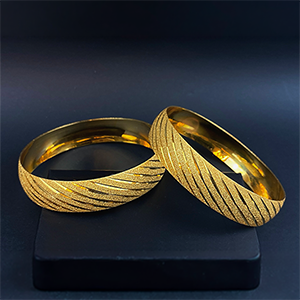
- Gold plated jewellery is made by bonding a thin layer of gold to a base metal such as brass, copper or sterling silver.
- Gold plated jewellery in the UK does not require a hallmark under the Hallmarking Act 1973, but sellers must not describe plated items as solid gold.
- The UK nickel release limit for items in prolonged skin contact is 0.5 micrograms per square centimetre per week under UK REACH.
- Online orders placed in the UK can normally be cancelled within 14 days of delivery under the Consumer Contracts Regulations 2013.
- Orders from overseas sellers valued above £135 can attract UK import VAT at 20% plus any customs duty and a courier handling fee.
Table of Contents
- Where Can You Buy Gold Plated Jewellery in the UK?
- Online Specialists Versus Marketplaces: Which Should You Choose?
- What Should You Check Before Buying Gold Plated Jewellery?
- How Much Should Gold Plated Jewellery Cost in the UK?
- Does Gold Plated Jewellery Need a UK Hallmark?
- How Do You Make Gold Plated Jewellery Last Longer?
- Is It Safe to Buy Gold Plated Jewellery From Overseas Sellers?
- Which Gold Plated Styles Are Popular in the UK?
- Frequently Asked Questions
If you want to compare finishes without travelling, an online shop lets you filter by base metal, plating thickness and UK delivery options before you commit.
Where Can You Buy Gold Plated Jewellery in the UK?
In the UK you can buy gold plated jewellery from online specialists, high street chains, independent jewellers, department stores and large marketplaces such as Amazon, eBay and Etsy.
The UK market splits into four main groups. Online specialists focus on plated pieces and publish detail about plating thickness. High street chains sell plated fashion jewellery alongside clothing. Independent jewellers often stock plated ranges next to fine pieces. Large marketplaces list thousands of sellers at almost every price point.
Each route has trade-offs. Specialists usually give better product descriptions, replacement parts and care advice. Chains are convenient when you want to handle a piece before paying. Marketplaces are often cheapest, but quality varies sharply between sellers and returns can take longer. Independent shops sit in the middle and can usually resize rings on site.
For most buyers, starting online makes sense. You can compare plating thickness, base metal and price side by side, then order with tracked delivery. Physical shops remain useful for checking ring sizes and seeing how a chain sits against your skin in daylight. Mad Gold İmitasyon ships to the UK from its online shop.
Online Specialists Versus Marketplaces: Which Should You Choose?
Online specialists are the safer choice when plating quality matters, while marketplaces offer more choice and lower prices but need closer checking.
Specialist retailers deal only in plated and imitation jewellery, so their listings tend to be more precise. Good listings state the base metal, the plating thickness in microns and whether the item is nickel-free. Marketplace listings often omit these details, and the same photograph can appear under several different sellers.
Reviews are a useful filter. Look for photographs from buyers rather than the seller, and read comments that mention tarnishing, colour loss or fading after a few weeks. A seller with a consistent returns policy is usually a safer bet than one offering the lowest price with no returns address.
Under the Consumer Contracts Regulations 2013, most online orders in the UK can be cancelled within 14 days of delivery, so you can inspect a piece at home and send it back if the colour is not right. Check whether return postage is paid before you order.
What Should You Check Before Buying Gold Plated Jewellery?
Check the plating thickness, the base metal, the nickel content, the returns window and whether the seller describes the item as plated rather than solid gold.
Plating thickness is the single best guide to durability. It is measured in microns, and many budget pieces carry less than 0.5 micron, which wears through quickly at contact points. Pieces plated at one to three microns cost more but hold their colour for far longer under normal wear.
The base metal matters too. Brass and copper are common and take plating well. Stainless steel is heavier and resists tarnishing. Sterling silver under a thick gold layer is sold as gold vermeil, a step above standard plating. Ask which one you are buying before you compare prices.
Nickel is restricted in the UK. Items designed for prolonged skin contact must release no more than 0.5 micrograms of nickel per square centimetre per week under UK REACH, so nickel-free claims are worth checking if you have sensitive skin or a known allergy.
How Much Should Gold Plated Jewellery Cost in the UK?
In the UK, most gold plated jewellery costs between roughly £15 and £60, with heavier plating, gemstones or full sets pushing prices above £80.
Earrings are the cheapest entry point, often £10 to £30 a pair. Necklaces and chains generally fall between £20 and £50. Bracelets and bangles sit around £25 to £60, while matched sets and bridal pieces can reach £80 to £150 depending on the stones and finish.
Price reflects three things: the weight of base metal, the thickness of the gold layer and the setting work. A heavy bangle with three microns of plating will always cost more than a light chain with a decorative flash. Jewellery sold at £5 is usually plated thinly enough to wear within weeks. For heavier pieces, browse gold plated bracelets and bangles before setting a budget.
Set a budget before you browse. If you want a piece for a single occasion, a low-cost option is sensible. If you plan to wear it several times a week, spending more on plating thickness usually works out cheaper over a year than replacing thin pieces.
Does Gold Plated Jewellery Need a UK Hallmark?
No, gold plated jewellery does not legally need a UK hallmark, because hallmarking applies to solid precious metal items above set exemption weights.
The Hallmarking Act 1973 requires items described as gold, silver or platinum to be tested and marked by an assay office. Exemption weights apply: one gram for gold, 7.78 grams for silver and 0.5 grams for platinum. Plated pieces are not made of solid precious metal, so they fall outside these rules.
That does not mean sellers can say anything they like. Describing a plated item as solid gold would breach UK consumer protection rules, and a piece should be labelled as gold plated, gold tone or gold vermeil. If a listing is vague about which one it is, treat that as a warning sign.
Some plated pieces carry a maker's mark or a small tag. These are not hallmarks, but they can help you trace the manufacturer. Ask the seller directly if a listing claims a hallmark without showing a clear photograph of the stamp.
How Do You Make Gold Plated Jewellery Last Longer?
Gold plated jewellery lasts longest when you keep it away from water, perfume and household cleaners, and store it dry in a soft pouch.
Put plated jewellery on last and take it off first. Perfume, hairspray, sunscreen and moisturiser all sit on the surface and can dull or lift a gold layer over time. Swimming pools and hot tubs are especially damaging because chlorine attacks both the plating and the base metal underneath.
Remove rings and bracelets before washing up, cleaning or gardening. Wipe pieces with a soft, dry cloth after wearing to remove skin oils, then store them separately so they do not rub against harder metals. Abrasive polishes and ultrasonic cleaners should be avoided. Our video guides show the routine in more detail.
Even well-made plated jewellery will eventually show wear at the points that touch your skin most often, such as the inside of a ring or the clasp of a bracelet. Some jewellers can re-plate a favourite piece, which is cheaper than replacing it.
Is It Safe to Buy Gold Plated Jewellery From Overseas Sellers?
Buying from overseas sellers is legal and often cheap, but orders worth more than £135 can attract UK import VAT and customs charges.
Since January 2021, overseas sellers must charge UK VAT at the point of sale on consignments valued up to £135. Above that threshold, VAT is collected at the border instead, and customs duty may apply depending on the goods. Couriers often add a handling fee of around £8 to £12.
Delivery times from outside the UK are usually longer, and returning an item can be expensive. Check the returns address before ordering and keep tracking details. For anything you intend to wear often, buying from a UK-facing seller removes most of this friction.
If you buy from a UK-facing shop, your order arrives with no extra charges and falls under UK consumer law. Ask about delivery times and whether a signature is required, particularly for higher-value sets or bridal pieces.
Which Gold Plated Styles Are Popular in the UK?
Layered chains, chunky hoops, signet rings and personalised name necklaces are among the most popular gold plated styles in the UK.
Everyday styles tend to be simple: fine chains, small hoops, plain bangles and stacking rings. Statement pieces include wide cuffs, rope chains and heavily textured earrings. Bridal ranges lean towards matched sets with clear stones, and demand usually rises from spring through to late summer.
Personalised jewellery has grown strongly, with initial pendants, birthstone charms and engraved bangles among the most requested items. Our guide to personalised gold plated jewellery in the UK covers the options in more detail, and you can see popular chains and pendants in our range of gold plated necklaces.
Colour also matters. Yellow gold remains the most popular finish in Britain, but rose gold and two-tone pieces have gained ground. If you are building a set, choose one finish and stick to it so the pieces sit together well.
If you would rather start from a shortlist, our round-up of the best gold plated jewellery brands in 2026 compares finishes, plating claims and price.
For wrist pieces, gold plated bracelets and bangles are often where plating wear shows first, so look at the clasp, the edges and the stated coating before you choose.
Frequently Asked Questions
Is gold plated jewellery worth buying in the UK?
Yes, for most people. Gold plated pieces give the look of solid gold at a much lower price, and a well-plated item worn a few times a week can last a year or more. If you want something to wear daily for years, solid gold or gold vermeil is the more durable choice.
How long does gold plating last?
It depends on thickness and wear. Thin plating of around 0.5 micron may wear within a few weeks at contact points. Pieces plated at one to three microns and looked after carefully often hold their colour for a year or longer.
Is gold plated jewellery waterproof?
No. Plated jewellery is not waterproof. Water speeds up tarnishing on the base metal and can weaken the gold layer, particularly in swimming pools and hot tubs. Take pieces off before showering, swimming or washing up.
Can I wear gold plated jewellery every day?
You can, but daily wear shortens the life of the plating. Sweat, perfume and friction all wear the gold layer. If you wear the same piece every day, choose a thicker plating and clean it gently with a dry cloth each evening.
Where can I buy gold plated jewellery online in the UK safely?
Buy from a seller with clear product details, a UK returns address and a published returns window. Online orders placed in the UK normally carry a 14-day cancellation right, so check the policy before you pay.
Check the Specs Before You Buy
Before you order, open the product details, confirm the base metal and plating thickness, and check the UK return policy so you know what happens if the finish dulls.
See more