Gold plated jewelry is a base metal core — most often brass, copper, or stainless steel — finished with a thin layer of gold. Searching for the best gold plated jewelry brands in 2026 means comparing what sits under that gold as much as the shine on top. Plating thickness, base metal, coating method, warranty, and price per wear separate brands that last years from brands that fade by summer. This guide explains the standards worth checking and how to apply them to any brand you are considering.
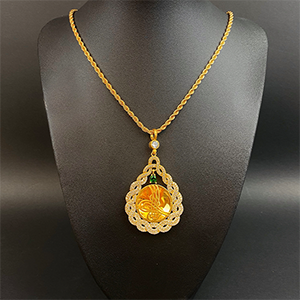
- In the United States, the term gold vermeil requires a gold layer of at least 2.5 microns over sterling silver.
- Standard fashion gold plating is often only about 0.5 microns thick, which is thin enough to wear through within months of daily wear.
- PVD coating fuses a gold-colored layer to stainless steel in a vacuum, making it more resistant to tarnish and water than electroplating on brass.
Table of Contents
- What Does "Best Gold Plated Jewelry Brands" Actually Mean in 2026?
- Plating Thickness and Base Metal: The Two Specs That Decide Everything
- Gold Plated vs. Gold Vermeil vs. Gold Filled vs. PVD
- Which Brands Lead the Gold Plated Market in 2026?
- Price, Warranty, and Returns: The Overlooked Ranking Factors
- How to Shop Gold Plated Jewelry Online Without Getting Burned
- Caring for Gold Plated Jewelry So the Finish Lasts
- Frequently Asked Questions
Mad Gold İmitasyon is a good place to start if you want to compare plating thickness and finish across several collections side by side before committing to a piece.
What Does "Best Gold Plated Jewelry Brands" Actually Mean in 2026?
The best gold plated jewelry brands in 2026 are the ones that publicly disclose plating thickness, base metal, and warranty terms, not the ones with the loudest marketing.
Gold plating is a finish, not a precious-metal guarantee. A piece can be called gold plated whether it carries half a micron of gold over brass or three microns over sterling silver. Those two items look identical in a product photo and behave completely differently after a year of wear.
In 2026, buyers have more disclosure than ever. Brands that still hide specifications behind phrases like "gold tone" or "premium finish" are easy to screen out. If a listing never states microns, base metal, or coating method, treat that silence as information rather than a neutral gap.
Rankings also depend on your own goal. A chain worn daily, a bridal set used twice a year, and a statement earring for evenings all demand different specifications. That is why no single brand wins every category, and why shortlists are more useful than one universal winner.
Plating Thickness and Base Metal: The Two Specs That Decide Everything
Plating thickness in microns and the choice of base metal together determine how long a gold plated piece keeps its color under normal wear.
Plating thickness is measured in microns, abbreviated µm. A typical fashion piece carries roughly 0.5 microns of gold, a layer thin enough to wear through within months of contact with skin, sweat, and perfume. That is the main reason inexpensive plated jewelry disappoints.
Heavier plating lasts longer. Many reputable brands now advertise between 1 and 3 microns, and pieces above 2.5 microns hold their color noticeably better. Ask for the number before you commit to a design, and be skeptical of any brand that cannot supply it.
The base metal matters just as much. Brass and copper accept plating easily but can tarnish, and they may leave a green mark on skin. Stainless steel resists corrosion better once coated. Sterling silver under heavy gold plating sits at the premium end and feels denser in the hand.
Gold Plated vs. Gold Vermeil vs. Gold Filled vs. PVD
Gold plated, gold vermeil, gold filled, and PVD describe four different constructions with very different lifespans, so the label is the fastest way to compare brands fairly.
Gold plated means a thin gold layer electroplated over a base metal, usually brass or copper. Gold vermeil is a stricter standard: in the United States the term requires at least 2.5 microns of gold over sterling silver, which makes it a meaningful quality marker rather than a marketing word.
Gold filled uses a much thicker layer of gold mechanically bonded to a brass core, and it typically outlasts plating by years. PVD, or physical vapor deposition, fuses a gold-colored coating onto stainless steel in a vacuum chamber. That process produces finishes that resist tarnish and water unusually well.
For style variety, gold plated and PVD offer the widest selection. For longevity without solid-gold prices, vermeil and gold filled lead the imitation market. Knowing which construction you are looking at removes most of the guesswork from brand comparisons.
Which Brands Lead the Gold Plated Market in 2026?
In 2026 the market splits into Western direct-to-consumer names known for vermeil and layering pieces, and Turkish workshops known for heavy ornate gold plating at lower prices.
Brands such as Monica Vinader and Mejuri are frequently cited for gold vermeil in the mid-price range. Missoma, Gorjana, and Astrid & Miyu are recognized for plated layering chains and stackable rings. Lower-priced direct-to-consumer labels compete mostly on trend speed and entry price rather than plating thickness.
Turkish manufacturers are a distinct and growing force. The country has a long goldsmithing tradition, and workshops there produce heavier, more ornate designs — Byzantine-style chains, Trabzon sets, filigree earrings, and wide cuffs — at prices Western retail brands rarely match. Mad Gold İmitasyon is one example, selling factory-direct rather than through department stores.
No public ranking is objective, because every list reflects the reviewer's criteria. Use them to build a shortlist, then compare candidates against your own priorities: plating thickness, base metal, design, return policy, and cost per wear.
Price, Warranty, and Returns: The Overlooked Ranking Factors
Warranty length and return policy often reveal more about a gold plated brand's confidence in its product than the price tag does.
A brand that guarantees its plating for twelve or twenty-four months is making a statement about thickness. A brand offering thirty-day returns but no finish warranty is telling you something else. Read both policies before ordering, because they are the cheapest insurance available.
Price alone is a poor filter. Two necklaces at the same price can differ by a factor of five in gold thickness. A better measure is cost per wear: divide the price by the number of times you realistically expect to wear the piece before the finish dulls.
Customer service quality is also worth checking. Search for reviews that mention replacements, repairs, or how the brand handled a tarnished item. Fast, no-argument resolution is common among European and Turkish sellers with direct online stores, while some large retailers route claims through slow ticket systems.
How to Shop Gold Plated Jewelry Online Without Getting Burned
Shopping safely online comes down to verifying five disclosures: base metal, plating thickness, coating method, warranty, and return window.
Start with the product page. Look for a materials section that names the base metal and gives a micron figure. If the description only says "gold plated" with no thickness, email the seller or move on to the next listing.
Then check these points:
- Weight and dimensions, so the piece matches the photo scale.
- Clasp and chain construction, which are common failure points.
- Whether the item is hypoallergenic or nickel-free.
- Shipping time and who pays return postage.
- Whether the plating is covered by a written guarantee.
Finally, compare at least three brands side by side using the same five fields. This takes ten minutes and prevents the most common mistake in this category: paying vermeil prices for basic electroplating.
Caring for Gold Plated Jewelry So the Finish Lasts
Gold plated jewelry lasts longest when it is kept dry, stored separately, and cleaned gently without abrasives.
Plating wears from friction and chemistry more than from time. Put jewelry on last when getting ready, after lotion and perfume have dried. Take it off first at night. That single habit extends the life of most pieces considerably.
Water is the main enemy of plated brass and copper. Showering, swimming, and washing dishes all accelerate fading, though PVD-coated stainless steel tolerates moisture far better. For a deeper look at which finishes survive daily contact with water, see our guide to waterproof gold plated jewelry.
Store pieces individually in a soft pouch or lined box so they do not scratch each other. Clean with a dry, soft cloth rather than polish or abrasive pads, which strip gold. Heavier chains and men's styles, such as Cuban links, benefit most from this routine because they are worn daily.
The same care applies to gold plated necklaces, which sit against skin all day and collect oils, perfume and sunscreen faster than a ring or a brooch ever will.
Frequently Asked Questions
How long does gold plated jewelry usually last?
With standard plating around 0.5 microns, daily wear typically dulls the finish within six to twelve months. Pieces plated at 1 to 3 microns, or made with gold vermeil or PVD coating, commonly hold their color for two to five years when kept away from water and perfume.
Is gold plated jewelry worth buying in 2026?
Yes, if you treat it as fashion jewelry rather than an investment. Gold plating offers the look of solid gold at a fraction of the price, and modern PVD and vermeil finishes are far more durable than the plated pieces sold a decade ago. Compare cost per wear before deciding.
What is the difference between gold plated and gold vermeil?
Gold plated jewelry can use any base metal and any gold thickness. Gold vermeil is a stricter standard requiring at least 2.5 microns of gold over sterling silver, which is why vermeil costs more and generally lasts longer.
Does gold plated jewelry turn my skin green?
A green or black mark usually comes from the base metal, most often copper or brass, reacting with sweat and acids on your skin once the gold layer wears thin. Nickel-free, stainless steel, or sterling silver bases reduce this risk, and a clear protective coating can help.
Can I shower or swim in gold plated jewelry?
It is best to avoid it. Soap, chlorine, and salt water all speed up plating loss on brass and copper. PVD-coated stainless steel handles moisture much better, but even those pieces last longer if you remove them before showering or swimming.
Read the Plating Spec Before You Pay
Open the product page and look for a stated plating thickness and base metal — if neither is listed, assume it is costume jewelry and judge the price accordingly.
See more