A personalized gold plated name necklace is a custom piece that spells a chosen name, initials, or short word in metal letters and finishes it with a thin layer of gold over a base metal core. The lettering is usually laser-cut or hand-finished, then plated and polished. This guide explains plating, chain options, lettering styles, sizing, and care so the finish keeps its color.
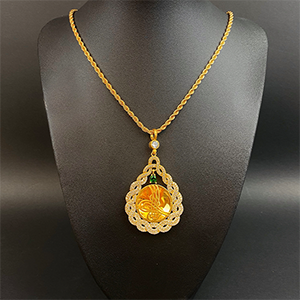
- Gold plating thickness on fashion jewelry is measured in microns, and most personalized name necklaces use layers between roughly 0.5 and 3 microns.
- Perfume, sunscreen, chlorinated water, and constant friction against a chain are the most common causes of accelerated gold plating wear.
- Gold filled jewelry contains a bonded gold layer that is a much larger share of total weight than gold plating, which is why it lasts longer.
- Custom gold plated name necklaces in the US market commonly retail between about $20 and $80, depending on plating thickness, chain quality, and stone accents.
Table of Contents
- What Is a Personalized Gold Plated Name Necklace?
- How Gold Plating Is Applied and How Long It Lasts
- Choosing the Chain, Length, and Clasp
- Fonts, Scripts, and Lettering Styles
- Sizing the Name: Length, Weight, and Fit
- Care: Keeping the Gold Color Intact
- Cost, Value, and Gift Occasions
- Frequently Asked Questions
Before you choose a personalized gold plated name necklace, it helps to understand the difference between gold-filled vs gold-plated jewelry, since the two behave very differently in daily wear.
What Is a Personalized Gold Plated Name Necklace?
A personalized gold plated name necklace is a made-to-order pendant in which letters cut from a base metal are coated with a thin electroplated layer of gold and hung from a fine chain.
The nameplate itself is typically cut from brass, stainless steel, or a copper alloy, then electroplated with a thin layer of gold. Plating thickness is measured in microns, and most fashion pieces fall between 0.5 and 3 microns. A thicker layer costs more but resists rubbing and fading far better.
This is not solid gold and not gold filled. Solid gold is the same metal all the way through, while gold filled uses a bonded gold layer that makes up a much larger share of the total weight. Plated pieces keep the look at a fraction of the price. Our comparison of gold-filled vs gold-plated jewelry explains the difference in detail.
Custom lettering is what makes the piece personal. A first name, a pair of initials, a child's nickname, or a short word can all be rendered in metal. Because the letters are cut to order, the necklace becomes a keepsake rather than a mass-produced accessory, which is why it remains one of the most requested gifts in the US market.
How Gold Plating Is Applied and How Long It Lasts
Gold plating is applied by electroplating, and how long it lasts depends mainly on plating thickness, the wearer's skin chemistry, and exposure to water, cosmetics, and friction.
Electroplating suspends the base metal in a gold solution and runs an electric current through it. Gold ions bond to the surface and build up layer by layer. Before plating, the metal is polished and cleaned, because oil or dust left on the surface will show through the finish.
Wear depends on thickness, skin chemistry, and habits. People with acidic skin or heavy sweating often see plating fade sooner. Perfume, sunscreen, hairspray, and chlorinated pool water are the most common culprits.
Friction matters too: a pendant that swings constantly against a chain rubs faster than a plate that stays still. For base metals that hold up best against perspiration, see our guide to gold plated jewelry that doesn't turn your skin green.
Realistic expectations help. A well-made plated name necklace worn a few times a week and stored properly can hold its color for a year or more. Daily wear with water and cosmetics shortens that window considerably. For years of daily wear, gold filled or solid gold is the better long-term buy.
Choosing the Chain, Length, and Clasp
A box, cable, or rolo chain works best with a nameplate, and the right length is the one that rests where you want the name to sit, most often 16 to 20 inches.
Name plates are usually paired with a fine box chain, a cable chain, or a rolo chain. Box chains keep a rigid shape and hold the lettering facing forward, which is why they are the default for script nameplates. Cable chains are lighter and move more freely.
Length changes where the name sits. A 16-inch chain falls near the collarbone, 18 inches rests on the upper chest, and 20 inches drops lower. If the plate is wide, add an inch so the letters do not press against the collarbone. An extender chain gives you two options from one purchase.
For clasps, a lobster claw is easier to fasten one-handed than a spring ring and holds up well over time. Check the jump rings where the chain meets the plate; those joints take the most stress and should be soldered rather than simply pinched closed.
Fonts, Scripts, and Lettering Styles
Script lettering gives a name necklace a soft, handwritten look, while block lettering stays more legible, so the best choice depends on how long the name is and how small the plate will be.
Script fonts imitate handwriting and give the necklace a soft, romantic look. Block letters read clearly at a distance and suit shorter names and initials. Cursive styles connect letters into one continuous stroke, which looks elegant but can blur small characters together.
Legibility is the practical test. Thin, tightly spaced letters are hardest to read on a small plate, while a slightly bolder stroke holds up better. Names with letters like i, l, and j work well in script but can look cramped in a narrow block font. Ask for a digital preview before the piece is cut.
Beyond the alphabet, many buyers add symbols: a tiny heart, a birthstone, an ampersand between two names, or a birth flower. If you want that detail, browse zircon-accented necklaces to see how a small stone changes the overall look. Keep the character count low so the plate stays balanced.
Sizing the Name: Length, Weight, and Fit
Character count decides the width of the plate and the chain length decides where it rests, so both should be chosen together rather than one at a time.
Character count drives the width of the plate. Three to five letters produce a compact pendant, while eight or more letters create a long horizontal bar. If the name is long, a slightly thicker chain balances the visual weight. A plate wider than about 2.5 inches can start to curl at the ends.
Weight is a comfort issue as much as a cost issue. A small plated nameplate often weighs around 1 to 2 grams, while a thick, large plate on a longer chain can reach 8 grams or more. Heavier pieces feel more substantial but pull on the neck during long wear.
Layering works well when the gaps are deliberate. Pair a name necklace with a shorter choker and a longer chain so the plates do not overlap. Multiple children's names can be stacked on one plate, split across two necklaces, or shown in different fonts to keep them distinct.
Care: Keeping the Gold Color Intact
Putting jewelry on last, taking it off first, and storing it in a soft pouch are the three habits that protect gold plating most effectively.
Order of dressing matters most. Apply perfume, lotion, and sunscreen first, let them dry, and put the necklace on last. At night, take it off before washing your face. This one habit prevents more plating damage than any cleaning product can fix.
To clean, wipe the piece with a soft dry cloth after each wear. For a deeper clean, use lukewarm water with a drop of mild dish soap, work it gently with your fingers, rinse, and pat dry. Avoid polishing cloths made for solid gold, ultrasonic cleaners, and anything abrasive.
Store the necklace flat or hanging in a soft pouch or a lined jewelry box. Air, humidity, and tangled chains cause scratches and dulling. Keep pieces separate so clasps do not scrape the plating. If the finish does wear thin, a jeweler can sometimes replate the piece at a modest cost.
Cost, Value, and Gift Occasions
A custom gold plated name necklace usually costs far less than solid gold, which makes it a practical gift for birthdays, graduations, Mother's Day, and bridal parties.
Plated custom name necklaces generally sell between about $20 and $80 in the US market, depending on plating thickness, chain quality, and whether stones are added. The custom work, not the metal, drives much of the price at this tier.
They are a natural fit for birthdays, Mother's Day, graduations, bridesmaid gifts, and anniversaries. A name in the recipient's own handwriting, a nickname only family uses, or a name written in another alphabet can make the gift far more personal than a standard pendant.
If the wearer has a nickel allergy, confirm that the base metal is nickel-free or that the piece is plated over stainless steel. Our gold plated necklaces collection shows how different chains and lettering styles come together, and you can shop all jewelry to compare pieces side by side.
Use that allergy check as a filter when you browse gold plated necklaces, so you can compare only the pieces that suit the wearer’s skin.
Frequently Asked Questions
Will a gold plated name necklace turn my neck green?
Usually not, and the marks people see come from copper or other base metals reacting with sweat and skin acids rather than from the gold itself. Choosing a nickel-free stainless steel base or a well-sealed plated layer lowers the risk. Cleaning the piece and keeping perfume and lotion off it also helps.
How long does a personalized gold plated name necklace last?
With occasional wear and proper storage, the gold color typically holds for roughly one to three years. Daily wear, showers, swimming, and perfume shorten that range. Thicker plating over a stainless steel base tends to last toward the longer end.
Can I shower, swim, or sleep in a gold plated name necklace?
It is best not to. Soap, chlorine, and salt water all work against the plating, and sleeping can bend thin lettering or stretch a fine chain. Remove the necklace before bathing, swimming, exercising, or going to bed to extend the finish.
How do I choose the right chain length?
Measure a necklace you already like, then add an inch if the nameplate is wide. Sixteen inches sits at the collarbone, 18 inches on the upper chest, and 20 inches lower. An extender chain is a smart choice when buying as a gift.
Is gold plated the same as gold filled?
No. Gold filled jewelry has a bonded gold layer that accounts for a significant share of the piece's weight, so it resists wear much longer. Gold plated jewelry uses a thin electroplated layer over a base metal and costs considerably less.
Confirm the Metal Before You Personalize
Ask the seller to confirm the base metal and plating method before you approve the final design, so your personalized necklace matches the wearer’s skin needs and daily routine.
See more