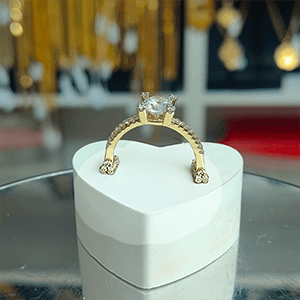
Gold plated jewelry that doesn't turn your finger green is made with a corrosion-resistant base metal, a thick gold layer, and usually a protective top coat that keeps sweat and skin acids away from the metal underneath. The green stain itself is harmless copper salt, not an allergic reaction, and it is largely preventable once you know which specs to check.
- Copper and copper-containing alloys form green copper salts, known as verdigris, when they react with sweat, salt, and skin acids.
- In the United States, gold vermeil must have a sterling silver base and a gold layer of at least 2.5 microns.
- Nickel is the most common cause of allergic contact dermatitis from jewelry, while green skin staining is a non-allergic chemical reaction.
- Physical vapor deposition (PVD) coatings resist abrasion better than standard electroplated gold finishes.
Table of Contents
- Why Gold Plated Jewelry Turns Your Finger Green
- Which Base Metals and Plating Types Resist Green Skin
- Plating Thickness, Finishes, and Labels to Check
- Everyday Habits That Keep the Plating Intact
- How to Fix a Finger That Already Turned Green
- Does Ring Fit Affect Green Skin?
- Frequently Asked Questions
If you want a piece you can wear in the shower, at the gym and at the beach without watching the color fade, waterproof gold plated jewelry is made with a sealed top layer that keeps water and sweat away from the base metal underneath.
Why Gold Plated Jewelry Turns Your Finger Green
Gold plated jewelry turns your finger green when the thin gold layer wears through and the copper or brass underneath reacts with sweat and skin acids to form green copper salts.
Green skin is not proof that a piece is fake. It is a simple oxidation reaction. Most plated rings sit on a brass or copper core, and copper reacts with the salt, acid, and moisture in your sweat.
The reaction forms copper salts, sometimes called verdigris, which transfer onto skin as a green or gray film. Lotions, sunscreen, and hand sanitizer speed that process up because they add more chemicals to the mix.
Friction finishes the job. A band that rubs against your palm or spins on your finger wears the gold layer thin at the edges. Once the plating breaks, the base metal touches skin directly and staining begins within a day.
Which Base Metals and Plating Types Resist Green Skin
Pieces built on stainless steel, titanium, or nickel-free brass with thick gold plating and a protective top coat are the most reliable at preventing green discoloration.
The base metal matters more than the karat stamp on the box. Stainless steel and titanium resist corrosion, so they release very little metal onto skin. Nickel-free brass is a practical middle ground for rings, bands, and bracelets.
Copper cores look warm and rich, but they stain most easily. If you love a copper-based design, look for plating of at least 2.5 microns and a clear anti-tarnish or e-coat finish over the gold.
Gold vermeil sits at the top of the plated category. In the US it must have a sterling silver base and at least 2.5 microns of gold. That combination rarely discolors skin, which is why it costs more than gold-tone fashion jewelry.
Plating Thickness, Finishes, and Labels to Check
Look for plating thickness measured in microns, a nickel-free or hypoallergenic label, and a clear protective finish, because those three details predict whether a piece will stain your skin.
Microns are the honest number on any product page. One micron suits occasional wear; 2.5 microns and above survives daily use. A brand that publishes plating thickness is usually confident about how it holds up.
PVD coating bonds gold to metal at a molecular level and resists abrasion better than electroplating alone. A clear e-coat lacquer adds a second barrier against sweat and hand cream.
Vague labels tell you nothing. "Gold tone," "gold color," and "gold-tone alloy" say nothing about thickness. "14K gold plated over stainless steel, 3 microns" says almost everything you need to know before buying.
Everyday Habits That Keep the Plating Intact
Removing plated jewelry before showers, workouts, swimming, and dishes, and applying lotions or perfume first, keeps the gold layer intact and stops green staining.
Chlorine, salt water, shampoo, and sunscreen attack plating faster than plain water. Take rings off before you shower, swim, do dishes, or hit the gym. A small travel pouch makes that habit easy to keep.
Order of operations matters too. Apply moisturizer, sunscreen, and perfume first, wait a minute, then put your jewelry on. Residue trapped under a band creates a moist film that speeds up the chemical reaction.
Store pieces dry and separately. A soft-lined box prevents scratches, and a silica packet absorbs the humidity that slowly dulls a gold finish. Never pile rings together in a loose dish.
How to Fix a Finger That Already Turned Green
Wash the green stain off your skin with mild soap and warm water, clean the jewelry with a soft cloth, and use clear nail polish inside the band as a short-term barrier.
The stain sits on the surface of your skin and normally fades within a day or two. Warm water, mild soap, and a soft washcloth remove most of it. Skip harsh scrubbing, which irritates skin without cleaning any better.
For the jewelry, wipe it with a soft cloth and a drop of mild dish soap, then dry it completely. Do not use toothpaste or baking soda on plated pieces. Those abrasives strip the gold layer and make the next stain worse.
Clear nail polish inside a band is a classic short-term barrier. It separates metal from skin for a few weeks, then chips and needs reapplying. Treat it as a patch, not a permanent fix.
Does Ring Fit Affect Green Skin?
Yes, a ring that is too tight or too loose wears the plating faster and traps moisture, which makes green staining more likely.
Fit is underrated. A loose ring spins and abrades; a tight ring traps sweat and pressure. Both wear down the plating right where it meets your skin, so sizing is part of the anti-green equation.
Get measured at the end of the day, when fingers are at their largest. US ring sizes run from 3 to 13, and half sizes are standard. Wider bands feel tighter, so size up slightly for a chunky design.
Ask about resizing before you buy. Many plated rings can be adjusted, but the heat and pressure involved can damage the coating. A correct initial fit is always the safer choice.
That said, a well-made band should feel comfortable from the moment you put it on, which is why it pays to try on several gold plated rings and notice how each one sits against your knuckle before choosing a size.
Frequently Asked Questions
Does gold plated jewelry always turn your finger green?
No. Staining depends on the base metal, the plating thickness, and your own sweat chemistry. Pieces with a stainless steel or sterling silver base and at least 2.5 microns of gold often never stain, even after months of daily wear. Thin plating over copper is the combination that turns fingers green fastest.
Is 14K or 18K gold plating better for sensitive skin?
Karats describe the purity of the gold alloy, not the thickness of the layer. Both can be fine if the base metal is nickel-free. Thickness and a protective top coat matter more than karat for skin reactions. If you have a known nickel allergy, ask for a nickel-free statement in writing.
Can I shower or swim with gold plated jewelry?
You can, but not if you want the finish to last. Soap scum dulls the surface, chlorine and salt water corrode the plating, and hot water can loosen adhesive in glued settings. Removing pieces before showers and pools is the easiest way to protect them.
Is the green color a nickel allergy?
Usually not. Green skin is a copper salt stain and does not involve the immune system. A true nickel allergy shows up as redness, itching, small blisters, or cracked skin. If you have those symptoms, stop wearing the piece and see a dermatologist.
How long does gold plating last on a ring?
With 1 micron of plating worn daily, expect a few months before the edges dull. At 2.5 microns or more with a PVD or e-coat finish, a year or longer is realistic. How you wear it, including showers, lotions, and workouts, often matters as much as the thickness number.
Ask Two Questions Before You Buy
Message the seller and ask which base metal sits under the plating and whether the finish is sealed, then buy only from the listing that answers both clearly.
See more