Waterproof gold plated jewelry is a base metal piece coated with a thin layer of gold and sealed so everyday water contact — handwashing, sweat, rain, and quick showers — does not strip the color. The term describes the finish, not the core. This guide explains how the coating is made, what it can and cannot survive, and how to keep the gold tone looking new for as long as possible.
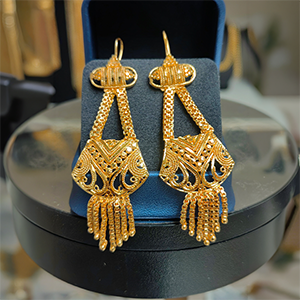
- Waterproof gold plated jewelry uses a base metal core — commonly brass, copper, or stainless steel — covered by a thin layer of gold.
- PVD coating bonds gold-colored material to metal at a molecular level and resists scratching and flaking better than standard electroplated layers.
- Typical decorative gold plating measures around 0.5 to 1 micron, while waterproof finishes generally use 2.5 microns or more.
- Under US trade rules, gold filled jewelry must contain at least 5% gold by weight, while gold plated jewelry has no such minimum.
Table of Contents
- What Is Waterproof Gold Plated Jewelry?
- How Waterproof Gold Plating Is Made
- What Waterproof Actually Means in Practice
- Base Metals and Skin Sensitivity
- A Simple Care Routine That Extends the Finish
- Waterproof Gold Plated vs. Solid Gold vs. Gold Filled
- Why Waterproof Plating Suits Everyday Styling
- What to Check Before You Buy
- Frequently Asked Questions
Mad Gold imitation jewelry starts with a base metal core that is fully sealed before any gold goes on, which is exactly why the finish survives water and sweat instead of flaking off at the first splash.
What Is Waterproof Gold Plated Jewelry?
Waterproof gold plated jewelry is a base metal piece covered with a thin gold layer that is sealed well enough to survive everyday water, sweat, and humidity without tarnishing quickly.
Waterproof gold plated jewelry starts with a base metal — usually brass, copper, or stainless steel — that carries a very thin layer of gold on its surface. The word waterproof describes the coating and the sealing process, not the metal underneath.
Standard gold plating can fade within weeks once it meets soap, sweat, and pool water. Waterproof versions use thicker plating, a PVD coating, or a protective topcoat so the gold tone holds up through handwashing, workouts, and rainy commutes.
It is not solid gold. A solid gold ring is gold all the way through, while a plated piece is gold only at the surface. That single difference explains the price gap and the care routine.
How Waterproof Gold Plating Is Made
Waterproof gold plating is created by bonding a thin gold layer to a base metal through electroplating or PVD coating, then sealing it with a protective finish.
Electroplating runs an electrical current through a gold solution so gold particles attach to the base metal. Platers measure the result in microns, and a typical decorative layer is often around 0.5 to 1 micron. Waterproof claims usually start near 2.5 microns.
PVD, or physical vapor deposition, works differently. Gold-colored material is vaporized in a vacuum and bonded to the metal at a molecular level. The result is harder, more scratch-resistant, and far less likely to flake than a simple electroplated layer.
Many manufacturers add a final clear coat over the gold. That seal blocks water, sweat, and oxygen from reaching the plating, which is what keeps the color stable during daily wear.
What Waterproof Actually Means in Practice
Waterproof means the piece tolerates everyday water exposure, but the finish can still degrade in chlorinated pools, saltwater, and harsh chemicals.
Handwashing, rain, sweat, and a quick shower are the situations waterproof plating is built for. Rinse the piece with fresh water afterward and pat it dry, because residue from soap and body oils dulls the surface over time.
Chlorine, saltwater, and household cleaners are harder on any plated finish. Repeated exposure can pit the gold layer or break down the clear coat, so remove jewelry before swimming in a pool or the ocean, cleaning with bleach, or using acetone-based products.
Perfume, sunscreen, and hairspray deserve the same caution. Apply them first, let them dry, then put jewelry on, since alcohol and solvents in those products can soften the protective layer.
Base Metals and Skin Sensitivity
The base metal determines how a piece feels on skin and how long it lasts, with stainless steel and brass the most common choices for waterproof jewelry.
Stainless steel, especially the 316L grade, is dense, resistant to rust, and the most popular core for waterproof pieces. Brass is softer and easier to shape into detailed designs, so it appears often in pendants, chains, and statement earrings.
Copper conducts heat well and takes plating easily, but it can react with sweat on sensitive skin. Some alloy cores contain nickel, a common trigger for contact dermatitis. Look for nickel-free or hypoallergenic wording if you have reacted to jewelry before.
Even a good base metal can cause irritation once the plating wears thin and exposes the core. If a piece starts leaving a green mark or an itchy patch, that is a sign the coating has broken down.
A Simple Care Routine That Extends the Finish
Patting jewelry dry after water contact, storing pieces separately, and avoiding abrasive cleaners can keep waterproof plating bright for months longer.
Caring for waterproof gold plated jewelry takes about two minutes a week. Small habits matter more than any single product, because plating fails gradually rather than all at once.
- Pat dry with a soft cloth after washing hands, sweating, or getting caught in the rain.
- Store each piece in its own pouch or compartment so clasps and chains do not scratch the gold.
- Keep jewelry away from perfume, lotion, and sunscreen until those products have fully dried.
- Clean with lukewarm water and mild soap, then dry immediately; skip polishing cloths with abrasive grit.
- Remove rings and bracelets before lifting weights, gardening, or scrubbing dishes.
You do not need to avoid the gym. Just take pieces off before activities that cause heavy rubbing or impact, since friction wears plating down faster than water does.
Waterproof Gold Plated vs. Solid Gold vs. Gold Filled
Waterproof gold plating costs a fraction of solid gold or gold filled jewelry, but it has a shorter lifespan and will eventually need replacing.
Solid gold is the same alloy throughout, so it can be worn for decades and polished back to a shine. Gold filled pieces carry a thick bonded layer of gold — at least 5% of total weight under US trade rules — and often last 10 to 30 years with care.
Waterproof gold plated jewelry typically lasts one to three years of regular wear, depending on plating thickness and how often the piece meets chemicals. In exchange, it costs far less, which makes it practical for trend pieces and everyday sets you rotate.
Prices vary by retailer, but plated fashion pieces commonly fall in the $15 to $60 range, while solid gold runs into the hundreds or thousands of dollars. Choosing between them comes down to how long you plan to keep the piece.
Why Waterproof Plating Suits Everyday Styling
Waterproof plating suits everyday styling because it survives repeated wear, which makes layering chains, stacking bracelets, and matching sets practical rather than precious.
Layering stops being stressful when pieces can handle daily life. You can wear a fine chain under a shirt, stack two or three bracelets, or keep small studs in through workouts without checking the mirror every hour.
Matching sets are a natural fit for the same reason. Coordinating gold plated earrings with a waterproof gold plated necklace creates one visual language, and the tones stay consistent across pieces over time.
This is also why plated jewelry dominates bridal and occasion styling. Statement pieces can be worn for the event and reused afterward, which is why matching gold plated sets stay popular with buyers who want a complete look at once.
What to Check Before You Buy
Before buying waterproof gold plated jewelry, check the plating method, the base metal, and the care instructions, since those three details predict how long the finish will last.
Product pages rarely spell everything out, so look for specific language. PVD coating or 18K gold plated over stainless steel tells you more than a general gold plated label, and micron figures are a strong signal of quality.
Confirm the return window and the warranty terms as well. A brand that publishes care guidance and honors returns is usually more confident about its plating than one that stays vague.
Finally, think about how you will wear the piece. A daily necklace needs sturdier plating than an earring worn twice a month, so match the specification to the job you are asking of it. Browse the full online store to compare finishes side by side.
A waterproof gold plated necklace is the easiest way to judge that difference for yourself, since a chain resting against skin and hair all day is where plating quality shows up fastest.
Frequently Asked Questions
Is waterproof gold plated jewelry real gold?
It contains a genuine layer of gold over a base metal core, but the core itself is not gold. Because that layer is extremely thin, the piece should never be valued, resold, or insured as solid gold.
Can I shower with waterproof gold plated jewelry?
A quick shower is generally fine because the finish is designed for water contact. Still, towel the piece dry afterward and avoid very hot water and harsh soaps, which can slowly break down the protective coat.
How long does waterproof gold plating last?
With regular wear, most waterproof plated pieces hold their color for roughly one to three years. Thicker plating and PVD coatings tend to sit at the longer end, while thin flash plating fades much sooner.
Does waterproof mean the jewelry will never tarnish?
No. Waterproof means the finish resists water, sweat, and humidity. Chlorine, saltwater, cleaning chemicals, and abrasive friction can still dull or damage the plating over time, so removal before those activities is wise.
Is waterproof gold plated jewelry safe for sensitive ears?
Often yes, provided the base metal is nickel-free. Stainless steel cores are the safest common option. If your skin has reacted to jewelry before, check the product description for hypoallergenic or nickel-free labeling.
Ask for the Micron Count Before You Order
Message the seller and ask how many microns of gold sit on the exact piece you want, because the thin layers are the ones that wear through first at the clasp, the edges and the points where the chain rubs against itself.
See more