Gold plated jewellery is a base metal piece finished with a thin layer of gold, sold in the UK as an affordable alternative to solid gold. If you are working out where to buy it, the choice comes down to four routes — high street chains, department stores, online specialists and marketplaces — each offering a different mix of price, choice and after-sales support.
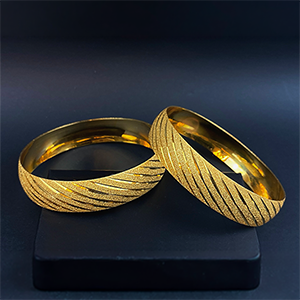
- Gold plated jewellery sold in the UK is not hallmarked, because the gold layer is too thin for the item to meet the fineness requirements applied to solid gold.
- Under the Consumer Contracts Regulations 2013, most online purchases in the UK can be cancelled within 14 days of delivery.
- Gold vermeil is defined by a gold layer of at least 2.5 microns over sterling silver, roughly five to ten times thicker than typical fashion plating.
- Orders imported into the UK from outside the country can attract import VAT and courier handling fees once the order value exceeds £135.
- Nickel release from items in prolonged skin contact is restricted in the UK, which makes nickel-free wording a meaningful specification rather than a marketing phrase.
Table of Contents
- What "Gold Plated" Actually Means in the UK
- Where Can You Buy Gold Plated Jewellery in the UK?
- How to Check Plating Quality Before You Pay
- Online vs High Street: Delivery, Returns and Total Cost
- What Should You Expect to Pay in the UK?
- Making Gold Plated Jewellery Last
- Is Gold Plated Jewellery Worth Buying?
- Frequently Asked Questions
For a UK-focused starting point, browse the Mad Gold English catalogue to compare plating thickness, base metal and delivery options before you commit to a piece.
What "Gold Plated" Actually Means in the UK
In the UK, gold plated jewellery is a base metal piece coated with a very thin layer of gold, usually measured in microns, and it is not the same thing as solid gold or hallmarked gold.
Gold plated jewellery is a base metal piece — usually brass, copper or stainless steel — coated with a very thin layer of gold. That coating is measured in microns, and most fashion pieces sold in Britain use somewhere between 0.5 and 3 microns.
This is not the same as solid gold, which is gold all the way through, nor the same as gold vermeil, which means a gold layer of at least 2.5 microns over sterling silver. The price difference is huge: a plated piece costs a few pounds to make, while a solid gold one is priced on the metal market.
Because the gold layer is so thin, plated items are not sent for UK hallmarking. That is why a straightforward seller will write "gold plated" or "18k gold plated" rather than simply "gold".
In short, you are buying the look of gold rather than the metal itself. That is a good deal at the right price — and a poor one if a seller prices plating close to solid gold.
Where Can You Buy Gold Plated Jewellery in the UK?
You can buy gold plated jewellery in the UK from high street chains, department stores, online specialist retailers, marketplaces and independent jewellers, with online specialists generally offering the widest choice of styles, sizes and plating grades.
British shoppers have four realistic routes: high street chains, department stores, online specialists and marketplaces, with independent jewellers sitting alongside them at the top end of the market.
High street chains and department stores are convenient. You can inspect the piece in daylight, try it on, and take it home the same day. The trade-off is narrower stock, fewer sizes and higher prices, because rent and staffing are built into every ticket.
Online specialists usually carry the deepest range. Sizing is broader, plating thickness is stated more often, and prices are lower because there is no shop front to fund. For everyday plated pieces, this is where most UK buyers now shop.
Marketplaces are cheap and quick, but listings are frequently vague about base metal and micron thickness, and returns can take longer. Independents offer the best advice and finishing, at prices to match.
If you want to see how a specialist catalogue is arranged, the Mad Gold English catalogue sorts pieces by type, from gold plated bracelets to gold plated necklaces and complete jewellery sets.
How to Check Plating Quality Before You Pay
Check four details before buying — plating thickness in microns, the base metal, the finish type and nickel compliance — because they predict durability far better than the word "gold" on a label.
Plating thickness is the single most useful number. It is quoted in microns, and anything under 1 micron will wear through quickly at the points where the piece rubs against skin, desks or clothing. For daily wear, look for 2 microns or more.
Base metal then decides how the piece behaves. Brass and copper tarnish faster and can discolour skin, whereas stainless steel and titanium resist corrosion and are a safer bet for sensitive skin.
Finish type matters as well. PVD coating and e-coating seal the gold layer and slow fading, which is why two apparently similar bracelets can last very differently.
Finally, check nickel wording. Nickel release from items in prolonged skin contact is restricted in the UK, so a "nickel free" or "hypoallergenic" statement is a claim you can reasonably ask a seller to stand behind. Product videos, such as those in the Mad Gold video library, often show the finish more honestly than studio photos.
Online vs High Street: Delivery, Returns and Total Cost
Online sellers usually undercut high street prices on plated jewellery, but the true cost only becomes clear once you add delivery, return postage and the 14-day cancellation right that applies to most UK online orders.
Under the Consumer Contracts Regulations 2013, most purchases made online in the UK can be cancelled within 14 days of delivery. That window matters more with plated jewellery than with most goods, because a piece may look different in daylight than on a screen.
Compare the full landed cost rather than the headline price: item, delivery, return postage if the seller does not cover it, and any resizing or repair fee. A £25 bracelet with £6 return postage is not cheaper than a £30 one with free returns.
Delivery expectations are reasonable in the UK. Standard tracked post typically arrives in two to three working days, and next-day options are widely available for a supplement.
If you order from a seller based outside the UK, import VAT and courier handling fees can apply once the order value goes above £135. Read the distance selling terms before ordering so there are no surprises.
What Should You Expect to Pay in the UK?
In the UK, most gold plated earrings and fine chains sell for roughly £15 to £70, while heavier plated bracelets and full sets typically sit between £40 and £120.
Plated jewellery is a volume market, and prices reflect the metal underneath more than the gold on top. Earrings, small pendants and thin chains commonly fall between £15 and £70.
Heavier pieces cost more because they contain more base metal and more work. Cuff-style bracelets, layered necklaces and full matched sets generally range from £40 to £120, and traditional bridal-style sets sit at the upper end of that band.
Two factors push a price up legitimately: thicker plating, and a better base metal such as stainless steel. Neither is visible at a glance, which is why the specification line matters.
What plated jewellery will not do is hold resale value. It is a fashion purchase, not an investment, and should be priced accordingly. Browse the online store to compare bands across categories before you commit.
Making Gold Plated Jewellery Last
Gold plated jewellery lasts longest when it is kept away from water, perfume, sweat and abrasion, and stored separately in a dry pouch or box.
Plating fails at friction points first: the inside of a ring, the clasp of a necklace, the edges of a bangle. Reducing contact is therefore the simplest way to extend its life.
Put jewellery on last when getting ready, after perfume, hairspray and moisturiser have dried. Take it off before showering, swimming, washing up or going to the gym. Chlorine and salt water are particularly unkind to thin gold layers.
Store each piece separately. Tangled chains rub against each other, and a soft pouch or lined box prevents both scratches and tarnish.
Cleaning should be gentle: a soft dry cloth after wear, and warm soapy water only for solid metal parts. With careful handling, occasional-wear pieces can look good for years, while a daily-worn ring may need re-plating after 12 to 18 months. Gold plated earrings tend to hold their finish well because they touch the skin less than bracelets do.
Is Gold Plated Jewellery Worth Buying?
Gold plated jewellery is worth buying if you want the appearance of gold at a fraction of the cost, but it is not an investment and will not hold resale value.
For most buyers, the calculation is simple. A plated piece gives you the warm gold look for a tenth of the price of solid gold, and it can be worn daily without the anxiety that comes with a four-figure item.
The sensible approach is to buy for a defined purpose and lifespan. A statement piece for a wedding or a season of outfits is an excellent use of money. A piece you intend to hand down is not.
If you have a nickel allergy, prioritise stainless steel bases and explicit nickel-free wording over price. If you swim or train often, accept that the finish will fade faster and buy cheaper.
Read the specification, check the returns policy, and treat the piece as what it is — affordable fashion that looks far more expensive than it costs. The terms of use set out how the seller describes plating, which is a useful reference point when comparing shops.
If bracelets are your focus, check the gold plated bracelets section for close-up photos and sizing notes, since wrist measurements vary and a good fit is half the reason a plated piece gets worn.
Frequently Asked Questions
Is gold plated jewellery hallmarked in the UK?
No. UK hallmarking applies to solid precious metal items that meet minimum fineness thresholds, and a thin plated layer does not qualify. A legitimate UK seller will describe the piece as gold plated rather than simply gold.
How long does gold plated jewellery last?
With occasional wear and careful storage, a plated piece can look good for several years. A ring or bracelet worn daily against skin typically shows fading within 6 to 18 months, depending on plating thickness and finish.
Is gold plated jewellery suitable for sensitive ears?
Often yes, provided the base metal is suitable. Stainless steel and titanium bases are the safest choices, and you should look for explicit nickel-free wording, since nickel release from items in prolonged skin contact is restricted in the UK.
Can you shower or swim in gold plated jewellery?
It is best avoided. Water, shampoo, chlorine and salt accelerate wear on a thin gold layer, and repeated exposure is one of the most common reasons plated pieces lose their colour prematurely.
Where is the best place to buy gold plated jewellery in the UK?
Online specialists generally offer the widest size range and the clearest plating specifications, while high street shops let you inspect a piece in person. Compare the full cost including delivery and returns before deciding.
Check the Specs Before You Add to Basket
Shortlist one gold plated piece, then verify its plating thickness, base metal and return window in the product details before you order.
See more