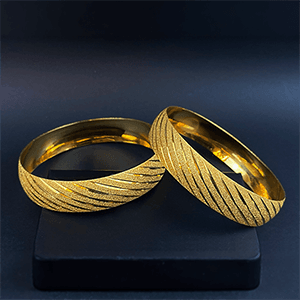
Waterproof gold plated jewellery is base-metal jewellery finished with a bonded gold layer that is durable enough to be worn through showers, hand washing and everyday sweat without the gold tone fading quickly. In the UK it has become the practical middle ground between throwaway costume pieces and solid 9ct gold, and it now makes up a large share of everyday jewellery buying.
- PVD and ion plating typically deposit 0.5 to 1 micron of gold, compared with roughly 0.1 to 0.3 microns for standard electroplating.
- UK REACH restricts nickel release from items worn in prolonged contact with the skin to 0.5 micrograms per square centimetre per week.
- Gold plated jewellery is not hallmarked in the UK because it falls outside the Hallmarking Act 1973, which applies to solid precious metal articles.
- Gold filled, or rolled gold, conventionally means gold makes up at least 5% of an item's total weight, far more than any plated piece contains.
Table of Contents
- What Is Waterproof Gold Plated Jewellery?
- How Does Waterproof Gold Plating Work?
- Why Does Ordinary Gold Plated Jewellery Tarnish?
- Is Waterproof Gold Plated Jewellery Safe for Sensitive Skin?
- How Should You Care for Waterproof Gold Plated Jewellery?
- How to Choose Waterproof Gold Plated Jewellery in the UK
- Styling and Gifting Waterproof Gold Plated Pieces
- Is Waterproof Gold Plated Jewellery Worth Buying?
- Frequently Asked Questions
Every piece described here is listed with its base metal and coating, so the Mad Gold imitation jewellery store is the quickest way to compare finishes side by side before you decide what suits your everyday wear.
What Is Waterproof Gold Plated Jewellery?
Waterproof gold plated jewellery is jewellery made from a base metal such as stainless steel or brass, coated with a gold layer that is bonded firmly enough to withstand regular contact with water and sweat.
Waterproof gold plated jewellery is made from a base metal, usually 316L stainless steel and sometimes brass, that carries a bonded layer of gold. The word waterproof describes the finish rather than the core: the gold layer is applied thickly enough to survive showers, hand washing and sweaty gym sessions without flaking or turning dull.
It is not the same thing as solid gold. Solid 9ct or 18ct gold is the same metal all the way through and is hallmarked in the UK by an assay office. Gold plated pieces contain only a trace of gold by weight, which is why they typically cost £15 to £60 instead of several hundred pounds.
That trade-off is deliberate. You get the warm look of yellow gold in a piece you can wear daily, replace easily and layer without worrying about scratches. Most UK shoppers treat waterproof gold plated jewellery as everyday wear, keeping heirloom and solid gold pieces for occasions.
How Does Waterproof Gold Plating Work?
Waterproof gold plating works by bonding gold to the base metal with PVD or ion plating, which produces a denser and more abrasion-resistant layer than traditional electroplating.
Traditional gold plating uses electroplating. The item is dipped into a gold solution and an electric current deposits a thin layer, often 0.1 to 0.3 microns. That is a fraction of the width of a human hair, and it wears through quickly at friction points such as clasps, chain links and ring bands.
PVD and ion plating work differently. Gold is vaporised in a vacuum chamber and bonded to the metal at a molecular level, usually at 0.5 to 1 micron. The result is a harder, denser coating that resists water, sweat and the daily abrasion that dulls thinner finishes.
Some manufacturers add a clear protective layer on top. It helps, but the real durability comes from the base metal and the bonding method. A 316L stainless steel core does not corrode in water, so even if the gold thins over the years, the metal underneath stays sound and skin-safe.
Why Does Ordinary Gold Plated Jewellery Tarnish?
Ordinary gold plating fades because thin electroplated layers wear away and the exposed base metal reacts with sweat, perfume, chlorinated water and air.
Tarnish is a surface reaction. Sweat contains chlorides and varies in acidity from person to person, which is why one wearer's necklace lasts years while another turns dull within a season. Perfume, hairspray, sunscreen and chlorine all speed the process up.
Friction matters just as much. A bracelet rubbing against a desk, or a pendant knocking against a zip, removes microns of plating over time. The gold does not disappear evenly: it thins first at edges, clasps and the back of a pendant, where contact is constant.
Waterproof plating slows all of this rather than stopping it. Thicker and denser coatings take far longer to wear through, and a stainless steel core means there is no green-wrist reaction once the plating eventually lightens.
Is Waterproof Gold Plated Jewellery Safe for Sensitive Skin?
Yes, well-made waterproof gold plated jewellery is usually safe for sensitive skin, provided the base metal is nickel-free stainless steel or the piece meets UK nickel release limits.
UK REACH limits nickel release from items worn against the skin to 0.5 micrograms per square centimetre per week. Reputable sellers test to that standard, and stainless steel bases help because 316L holds only trace amounts of tightly bound nickel.
If your ears react to inexpensive earrings, look for pieces described as nickel-free and check the posts specifically, since that is where irritation usually begins. Gold plating over surgical steel is the most common solution sold in the UK for exactly this reason.
Avoid plated pieces only if you have a confirmed gold allergy, which is rare and usually a reaction to nickel or cobalt in the alloy rather than to gold itself. A dermatologist can confirm this with patch testing before you change your habits.
How Should You Care for Waterproof Gold Plated Jewellery?
Care for waterproof gold plated jewellery by storing it dry, putting it on last and taking it off first, and cleaning it with a soft dry cloth rather than abrasive polishes.
Waterproof does not mean indestructible. Showering and hand washing are fine, but repeated exposure to chlorinated pools, salt water and hot tubs will shorten the plating's life. Rinse with fresh water and dry thoroughly after any swim.
Cosmetics are a bigger threat than water. Apply perfume, moisturiser and hairspray first, let them dry, then add your jewellery. At the end of the day, wipe each piece with a soft cloth and store it in a dry pouch or box, away from direct sunlight and damp bathroom air.
Avoid ultrasonic cleaners, silver dips and abrasive toothpastes on plated items, because they strip the finish. A mild soapy wash in lukewarm water followed by a thorough dry is enough for most everyday build-up.
How to Choose Waterproof Gold Plated Jewellery in the UK
Choose waterproof gold plated jewellery by checking the base metal, the plating method and thickness, the clasp quality and the seller's care guidance rather than the colour of the gold alone.
Start with the base metal. 316L stainless steel resists corrosion and holds plating well, while brass is lighter and cheaper but needs a thicker coating to last. When a listing names both the base and the plating method, that is usually a sign the seller understands the product.
Look for plating described in microns, and for terms such as PVD, ion plating or 18k gold plating. Anything claiming to be waterproof without naming a method is a marketing line rather than a specification. Check clasps and jump rings too: soldered rather than open is a good indicator of quality.
Expect to pay roughly £15 to £60 in the UK for a well-made plated piece, with full sets costing more. If you are testing a finish for the first time, start with a bracelet or a pair of earrings. You can browse waterproof gold plated bracelets and gold plated necklaces to compare how each coating looks in daylight.
Styling and Gifting Waterproof Gold Plated Pieces
Waterproof gold plated pieces suit everyday layering and gifting because they can be worn continuously without the care that solid gold demands.
Layering is where plated jewellery performs best. Mix a fine chain with a heavier curb link, or stack two or three bracelets of different widths. Because the tone stays consistent across a collection, pieces bought months apart still sit together convincingly.
For gifting, plated sets solve the sizing problem that rings create. A necklace and earring pairing suits most recipients and travels well. Our gold plated jewellery gift sets for her are built around that idea, and there are gold plated gifts under £50 if you are working to a budget.
Bridal and occasion wear is another strong use. Imitation sets let you match a complete look, necklace, earrings and bracelet, for roughly the price of one solid gold piece, which is why they remain popular for UK weddings and family celebrations.
If you are new to the brand, the Mad Gold imitation jewellery store shows how each finish photographs in natural light, which makes comparing tones far easier than reading descriptions alone.
Is Waterproof Gold Plated Jewellery Worth Buying?
Waterproof gold plated jewellery is worth buying if you want the look of gold for daily wear without the cost, insurance and storage concerns that solid gold brings.
Cost per wear is the fairest test. A £30 bracelet worn four days a week for two years works out at pennies per wear. A solid gold equivalent costs five to ten times more and, in practice, often stays in its box for fear of loss or damage.
The sensible approach is to be clear about what you are buying. Plated jewellery is not a long-term investment and will not hold resale value. It is a styling choice, and a good one, as long as the plating is described honestly and the base metal underneath is sound.
Bracelets take the most punishment of anything in a jewellery box, which is why waterproof gold plated bracelets built on a stainless steel base are the ones worth starting with.
Frequently Asked Questions
Can you shower in waterproof gold plated jewellery?
Yes. Showering, hand washing and wearing plated pieces in the rain are all fine, because the coating is bonded rather than painted on. The exceptions are chlorinated pools, hot tubs and salt water, where chemicals and heat attack the finish far more aggressively. Rinse with fresh water and dry the piece thoroughly afterwards to extend its life.
How long does waterproof gold plating last?
With 0.5 to 1 micron PVD plating and sensible care, most people see 12 to 24 months of daily wear before the gold tone softens at high-friction points such as clasps. Pieces worn occasionally, or those plated closer to 1 micron, often last considerably longer. The base metal stays intact either way, so nothing corrodes or irritates the skin.
Does waterproof gold plated jewellery turn your skin green?
No, not if the base metal is stainless steel. Green marks come from copper in the alloy reacting with sweat and acids on the skin, which happens with inexpensive brass or copper cores. A 316L stainless steel base beneath the gold layer prevents that reaction, even after years of regular wear.
Is waterproof gold plated jewellery the same as gold filled?
No. Gold filled, sometimes called rolled gold in the UK, conventionally means gold makes up at least 5% of the item's total weight and is bonded mechanically rather than plated. Gold plated jewellery has a much thinner gold layer measured in microns. Gold filled lasts longer and costs more, while plated pieces offer a lighter alternative.
Read the Base Metal Line First
Open the product page for the piece you are considering and check the base metal and plating thickness listed there before you add it to your basket, so you know exactly what you are wearing against your skin.
See more