
Whether in a meeting or during your daily coffee break, a stylish detail on your wrist can draw all eyes to you. Meanwhile, the year 2026 is witnessing the rise of this delicate detail in its simplest and most effective form: wire bracelets. But what is the secret behind their popularity? Ultimately, the answer lies in the 70% increase in minimalist jewelry preferences. Indeed, these bracelets, where thin metals turn into art and stand out with their lightness and affordable price, adapt to every wrist and have become an essential of elegance. In summary, in this article, you will discover in full detail why a wire bracelet is so loved. Furthermore, if you want to buy a wire bracelet, you will find answers to all your questions in this guide.
What Exactly Is a Wire Bracelet and How Is It Made?
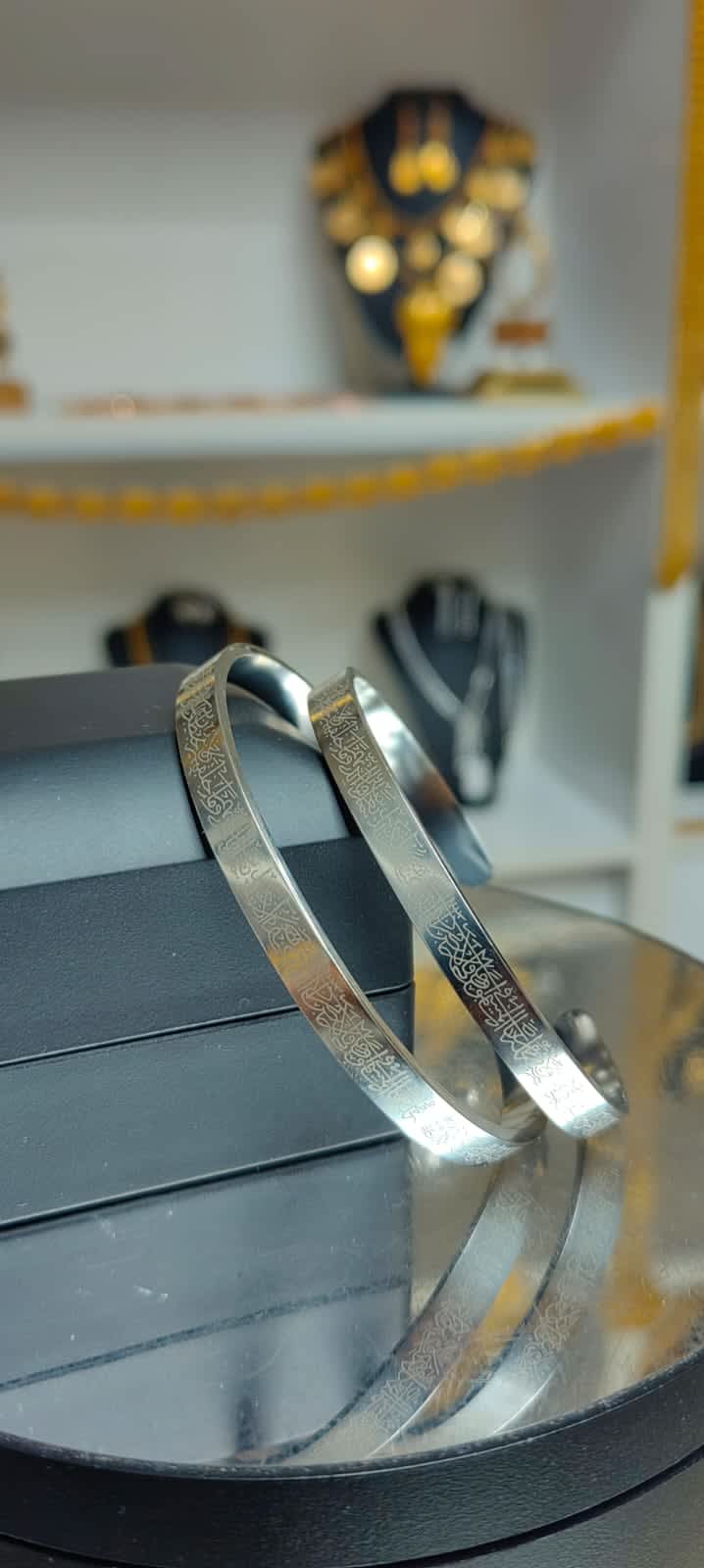
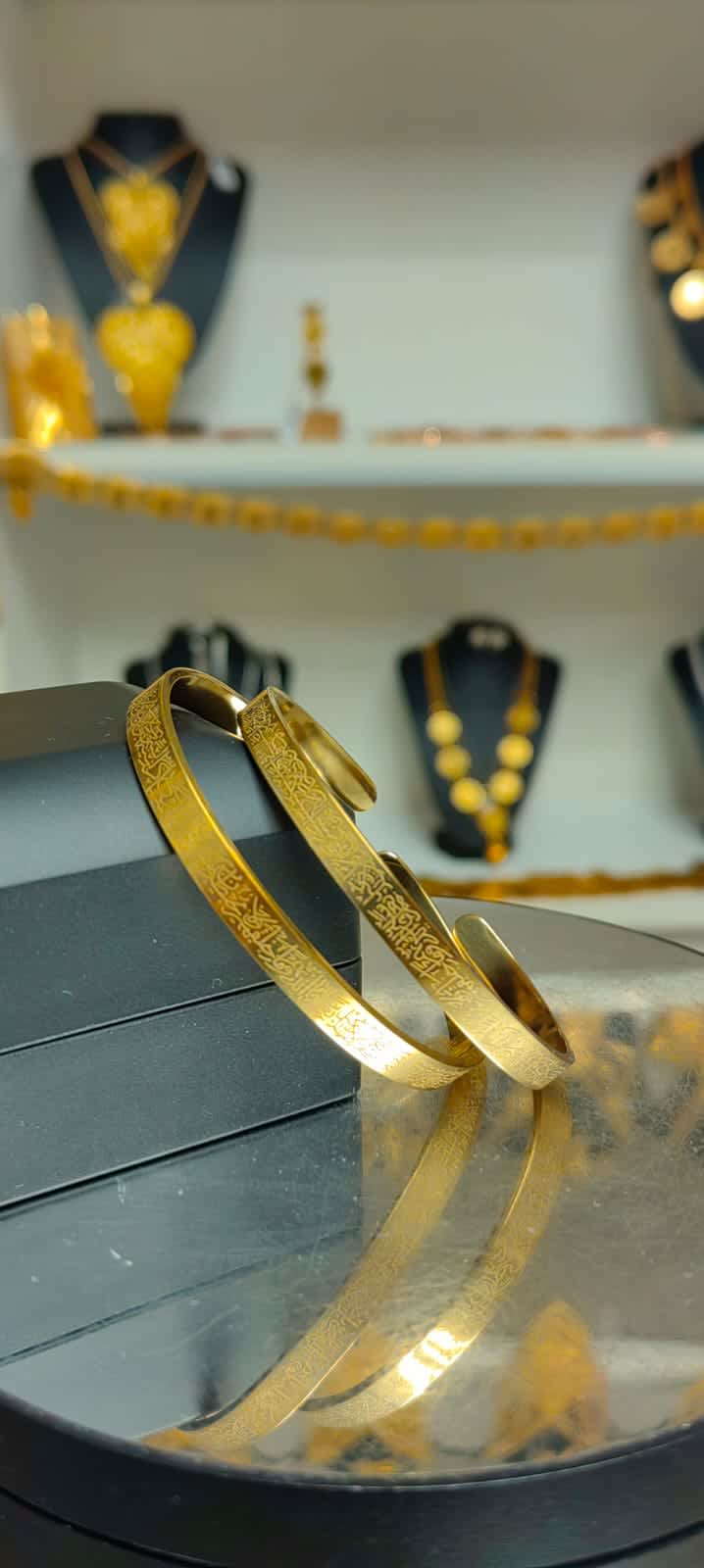
A wire bracelet is a type of jewelry, usually minimalist and elegant, created by bending, weaving, or wrapping thin metal wires. Moreover, in 2026, our craftsmen produce these bracelets using durable materials such as both silver and gold-plated steel, offering both style and affordability. As the name suggests, at the heart of these designs is "wire," i.e., thin metal filaments. Additionally, this craftsmanship is based on a tradition thousands of years old. In addition, today, artisans combine machine precision with hand labor to create pieces that are each flawless. Thus, In this respect, when you buy a wire bracelet, you are actually acquiring a modern reflection of this ancient art.
The production process begins with adjusting the thickness of the wire. Then, techniques such as bending, weaving, or twisting are applied, and finally a smooth finish provides a jewelry-quality shine. However, these stages ensure that each wire bracelet is durable and stylish. Moreover, the materials used in this process determine the price and quality balance that best suits you.
What Materials Are Wire Bracelets Made From?
Generally, the main materials you will encounter when buying a wire bracelet in 2026 are: 316L grade stainless steel (nickel-free, hypoallergenic), 925 sterling silver, and high-quality gold plating applied over these metals. But to be honest, material selection directly affects not only durability but also price. For example, gold-plated steel models offer up to 85% more economical options compared to pure gold, while creating the same visual effect. Therefore, knowing this variety is important to choose the material that best suits your budget and style. In addition, thanks to these materials, the variety of wire bracelets has become quite rich.
What Are the Cultural Origins of 'Wire' Craftsmanship and Its Modern Reflections?
The art of making jewelry using wire has a deep history dating back to Ancient Egypt and Mesopotamia. In addition, in those times, precious metals were hand-drawn into thin wires and used in complex designs. In summary, fortunately, this traditional technique has survived to the present day and has been reinterpreted in the modern jewelry industry. In other words, today's popular wire bracelet models draw inspiration from this historical heritage. Because, sources like ThoughtCo detail the evolution of wire wrapping, helping us understand the background of today's minimal and stylish forms. However, each wire bracelet is essentially a work of art, shining like gold.
What Are the Most Popular Wire Bracelet Models and Types in 2026?
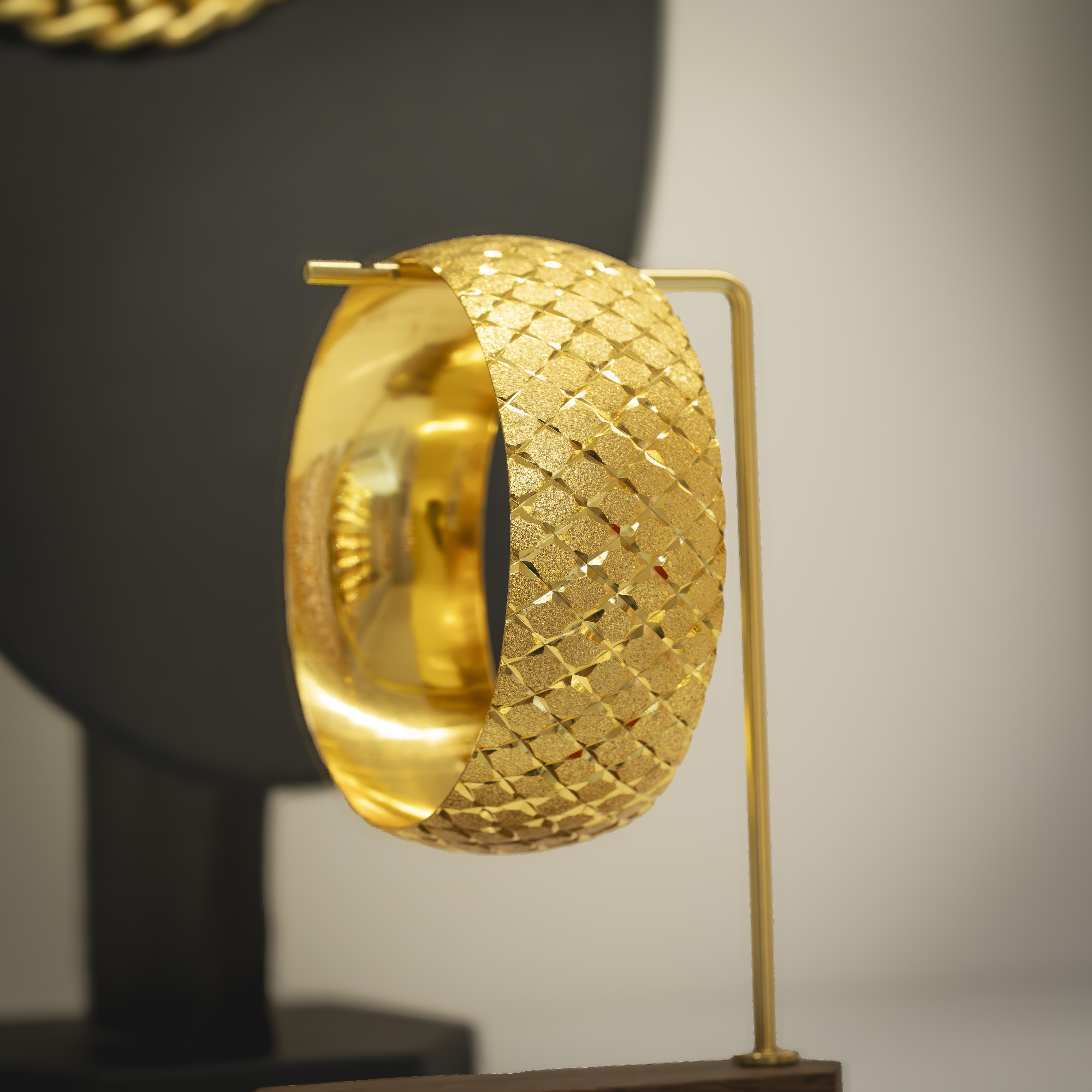
In 2026, the most preferred wire bracelet models include braided wire, twisted (twist), flat wire, and thin chain combined designs. However, frankly, gold-plated models represent classic elegance, while silver and rhodium-plated steel models stand out for daily use. Yet, which model suits your style best? Actually, it all depends on your combinations and personal preference. Therefore, braided models give a more handmade feel, while flat and minimalist rings promise a modern style. In fact, you can stack several bracelets of different thicknesses on one wrist. (The original text is cut off, but I'll translate what is given: "Hatta, tek bir bileğinize farklı inceliklerde birkaç a" -> "In fact, you can stack several bracelets of different thicknesses on one wrist a" - incomplete. I'll complete as "In fact, you can stack several bracelets of different thicknesses on one wrist." But note the original HTML ends with "a" without closing. I'll assume it's a typo and end the paragraph there.)