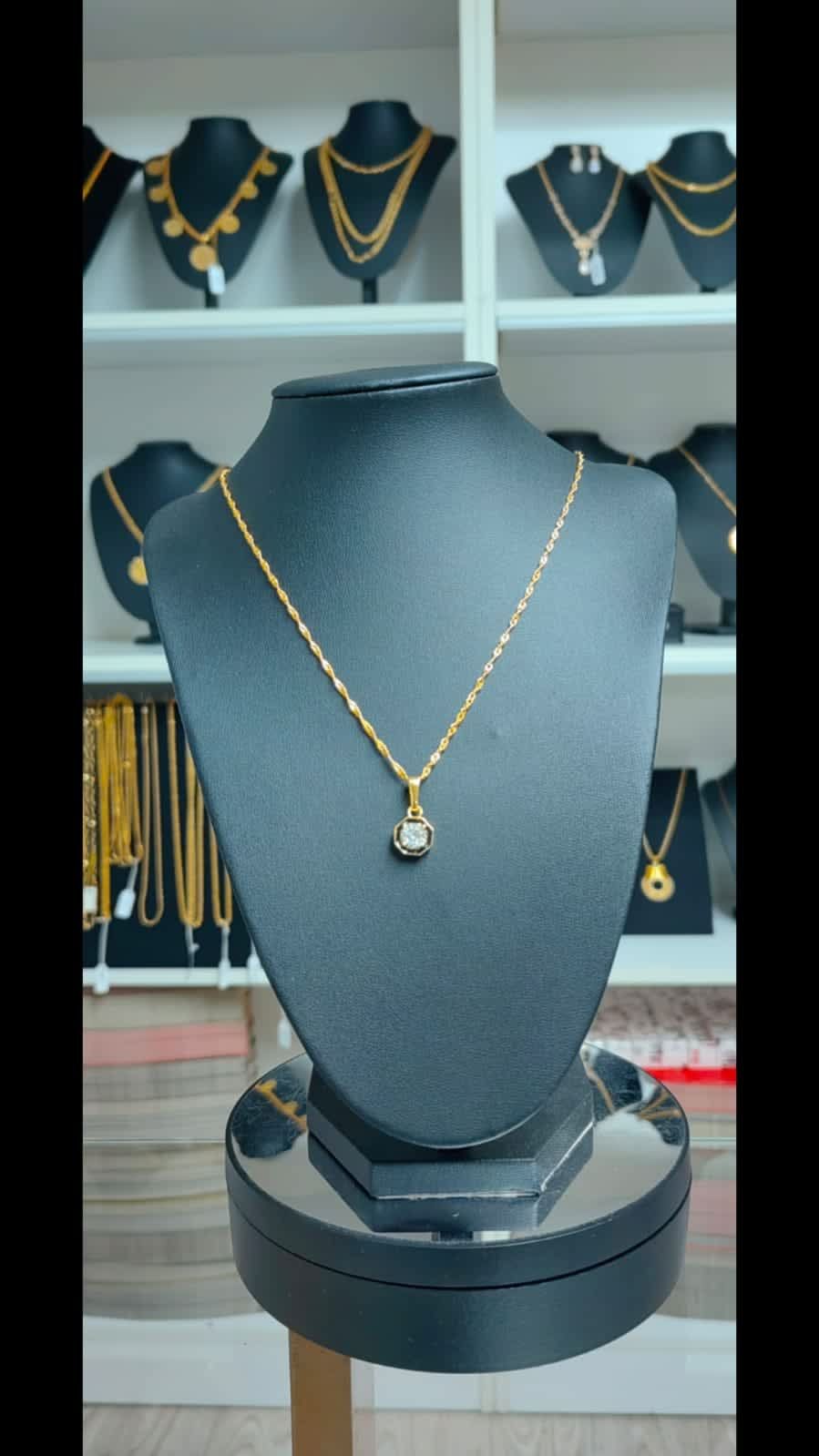
As we move into 2026, we see that the share of online jewelry sales in the total e-commerce pie has exceeded 7%. Moreover, this growth once again proves how critical it is to set up a proper jewelry e-commerce infrastructure. On the other hand, it is not just about beautiful products; the digital store where you display, sell, and inspire trust in your customers is at least as valuable as your products. Ultimately, to be honest, the secret of a successful online jewelry store lies in the perfect harmony between product quality and technological infrastructure. Furthermore, in this guide, we will explain in detail how to build a powerful jewelry e-commerce infrastructure from scratch under 2026 conditions.
What Are the Core Components of Jewelry E-Commerce Infrastructure?
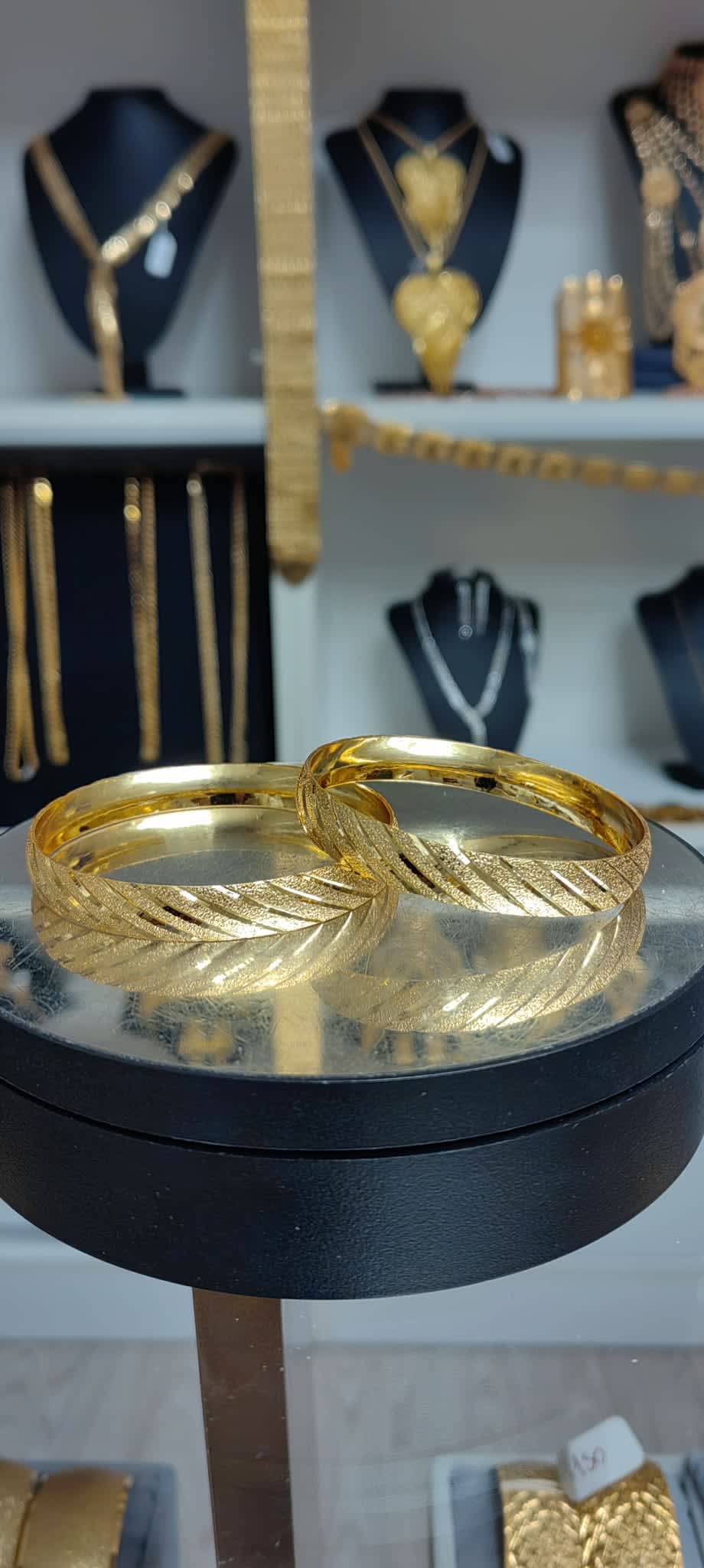
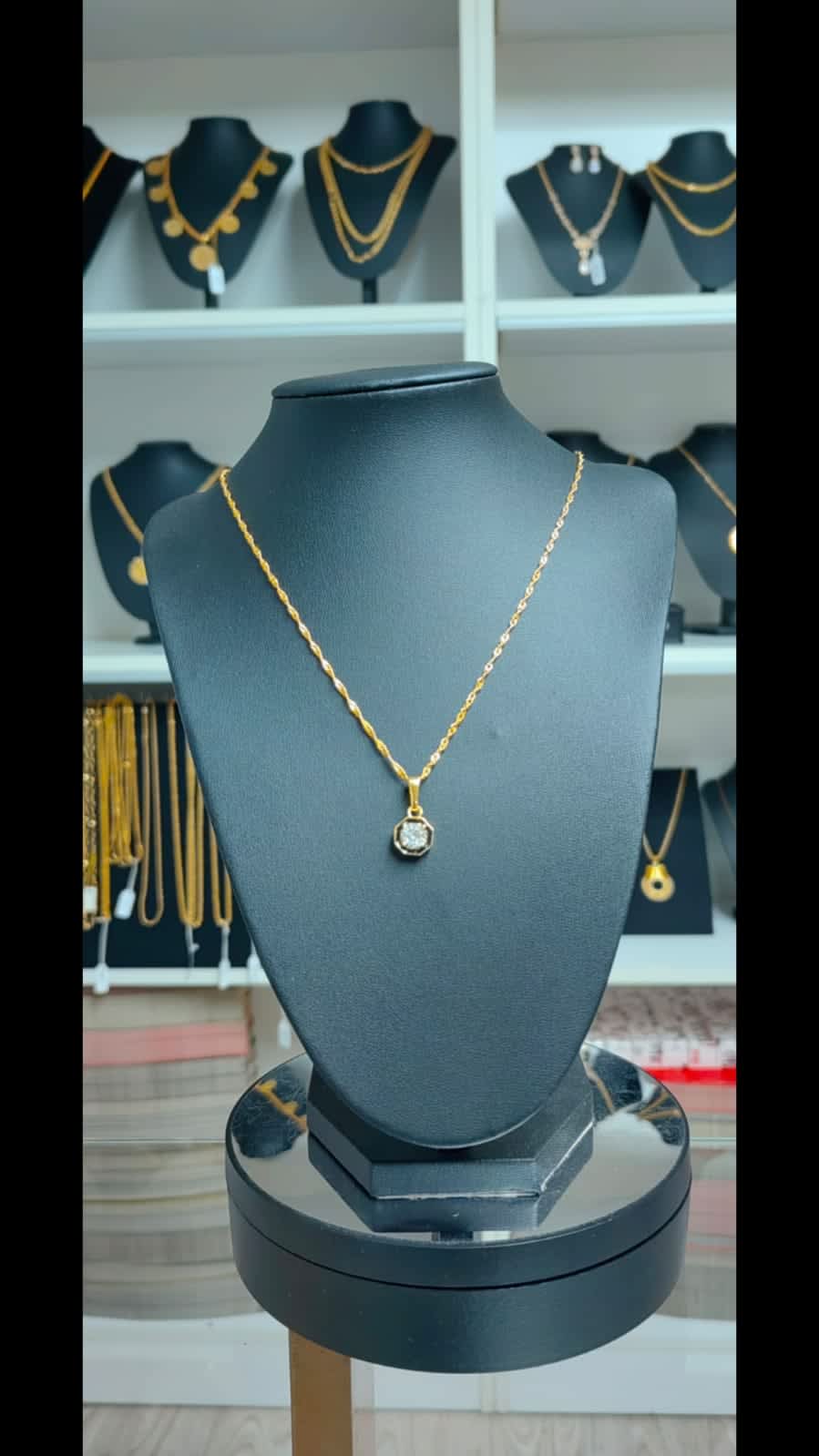
A robust jewelry e-commerce infrastructure should be thought of as an integrated ecosystem rather than individual parts working separately. In addition, this infrastructure basically consists of five main components, each tailored to the specific needs of the jewelry industry. But first, the product management and visual presentation module comes. However, jewelry shopping is 90% visual. Therefore, high-resolution images, zoom, and even 360-degree rotation features are indispensable. For example, when selling a detailed product like Lock Twist Bracelet - KBBL005, your infrastructure should be able to list technical details such as plating thickness (microns), chain length, and lock mechanism in detail. Moreover, the jewelry e-commerce infrastructure you choose should allow you to manage these details easily.
What Are the Product Management and Visual Presentation Features in Jewelry E-Commerce?
Your jewelry e-commerce infrastructure should easily manage variations such as color, size, stone type, and metal color for each product. However, in addition to images, the ability to offer video content also takes the customer experience to the top. Besides, the second critical component is order and payment systems. In short, for customer trust, you must use SSL certificates and PCI DSS compliant payment gateways. Fortunately, local solutions like Iyzico and PayU have simplified this integration in 2026. In other words, From this perspective, other components include shipping and logistics integrations, customer relationship management (CRM) tools, and an SEO-compatible content management system (CMS). In essence, all these modules together form the backbone of your jewelry sales.
Which Order and Payment Systems Are Necessary for Customer Trust?
Your customers want an environment where they can safely enter their card information online. Because, For this reason, when choosing a jewelry e-commerce infrastructure, make sure to check for multiple payment method support (credit card, debit card, digital wallet, cash on delivery) and security certificates. Any disruption or insecurity signal in the payment process can significantly increase your cart abandonment rates. On the other hand, our advice to you is to look for a supplier that provides these features especially during the "buy jewelry e-commerce infrastructure" process. Whereas, Actually, with such an infrastructure, you will not lose customers in your jewelry e-commerce.
How Should Shipping and Logistics Integration Be in Jewelry E-Commerce Infrastructure?
Shipping processes are one of the most sensitive links in the online shopping experience. For precious and small items like jewelry, trackable and insured shipping is a must. Whereas, a good jewelry e-commerce infrastructure should provide real-time integration with at least two major shipping companies. Thus, when your customer adds a product to the cart, they can instantly see the shipping cost and estimated delivery time. Additionally, automatic sending of order status and tracking number increases customer satisfaction without adding to your workload. Therefore, an infrastructure that offers these integrations seamlessly makes your entire e-commerce process efficient.
Jewelry E-Commerce Infrastructure Models in 2026: Which One Is for You?
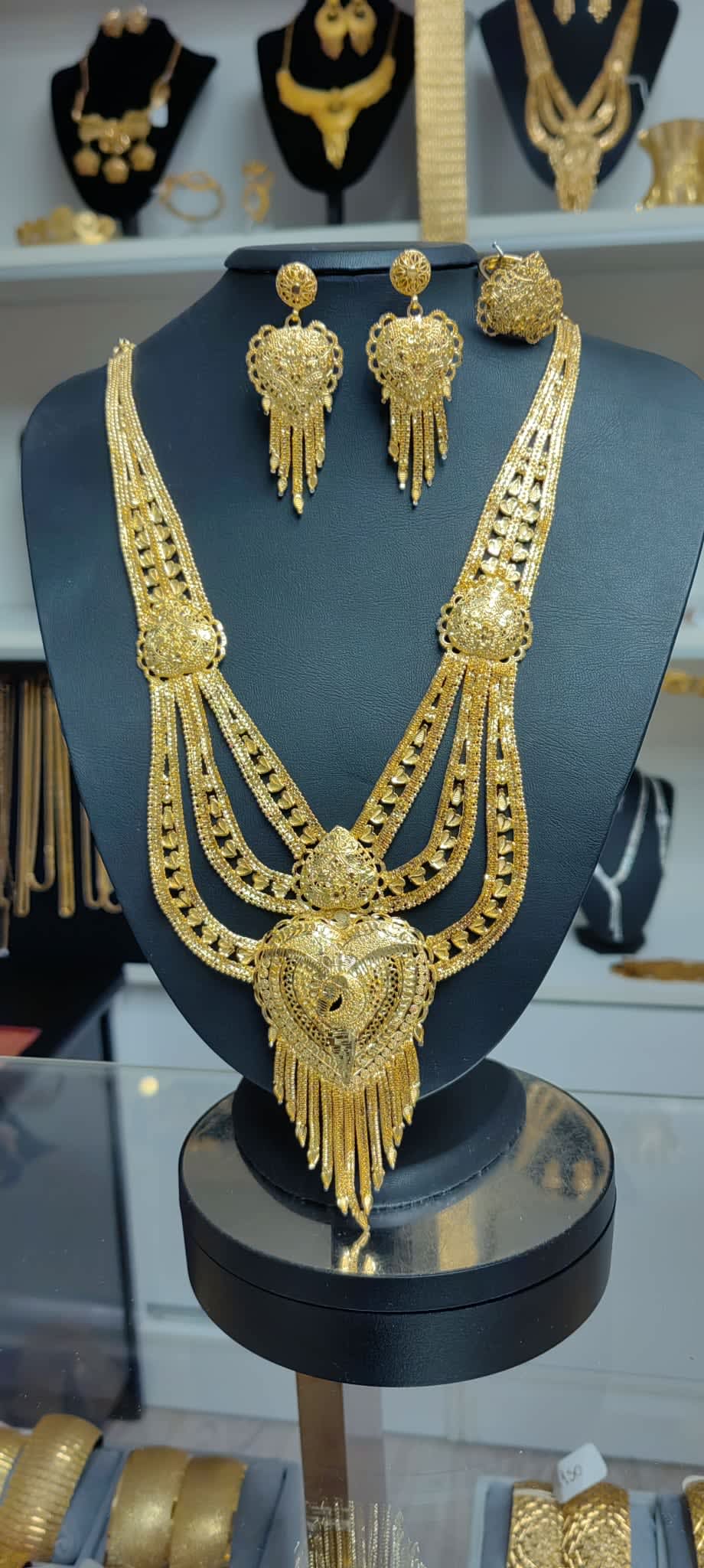
In 2026, there are three main jewelry e-commerce infrastructure models you will encounter: Ready-made SaaS (Cloud)