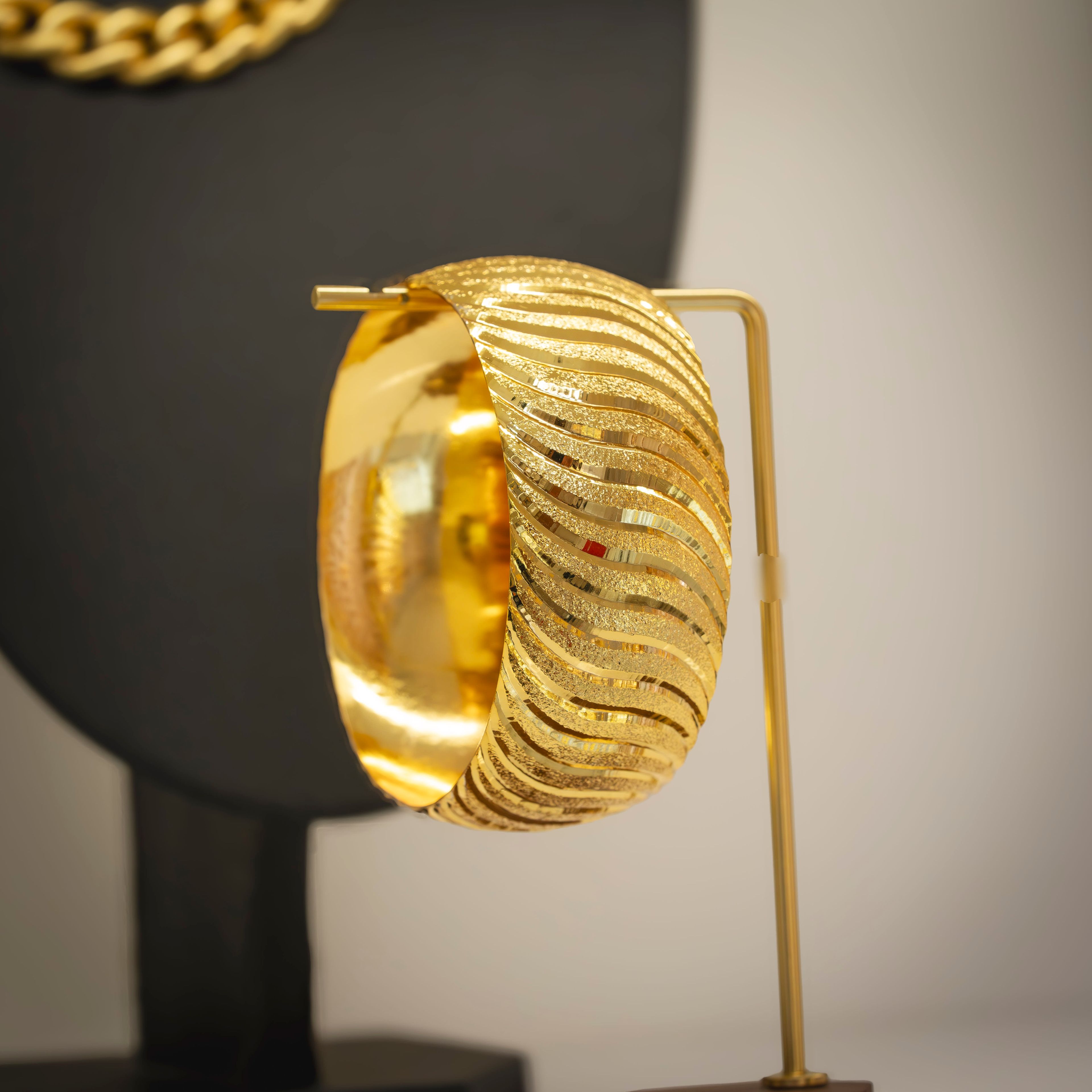
Are you bothered when your jewelry tarnishes and dulls? If so, meet the brightest solution of 2026. On the other hand, **rhodium plating**, which has become a favorite of jewelers and fashion jewelry enthusiasts, is the perfect remedy for these problems. So, what is this process? Indeed, it is the application of a thin layer of rhodium onto gold or silver jewelry using an electrolysis method. Therefore, it not only adds an eye-catching white brilliance but also envelops your jewelry like armor. In addition, looking at 2026 trends, the surge in demand for durable and minimalist accessories has made this plating the number one choice.
Do you want to refresh your collection or discover pieces that will never lose their first-day sparkle? Then you are in the right place. In addition, that is why, in this guide, we will explain everything you are curious about regarding **rhodium plating**.
What is Rhodium Plating and Which Jewelry Is It Applied To?
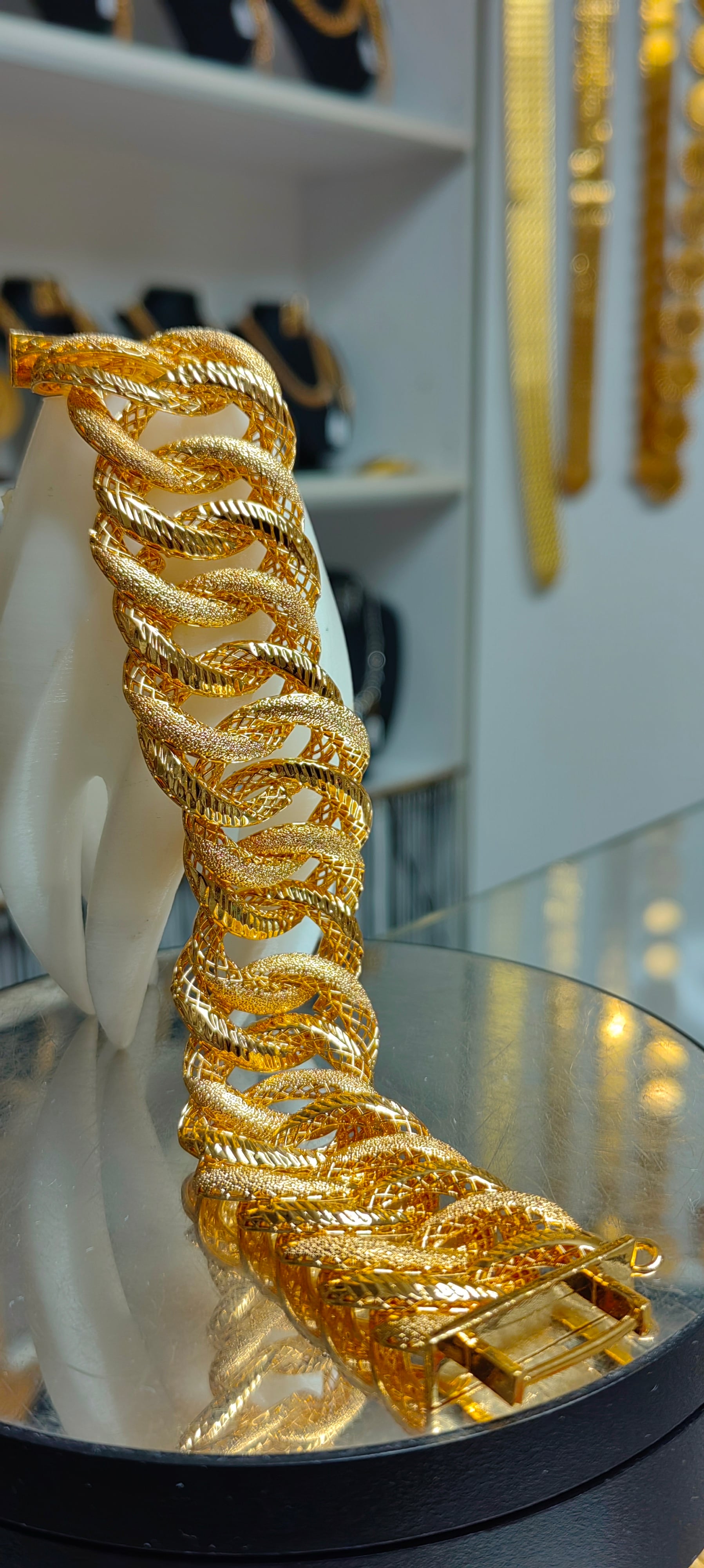
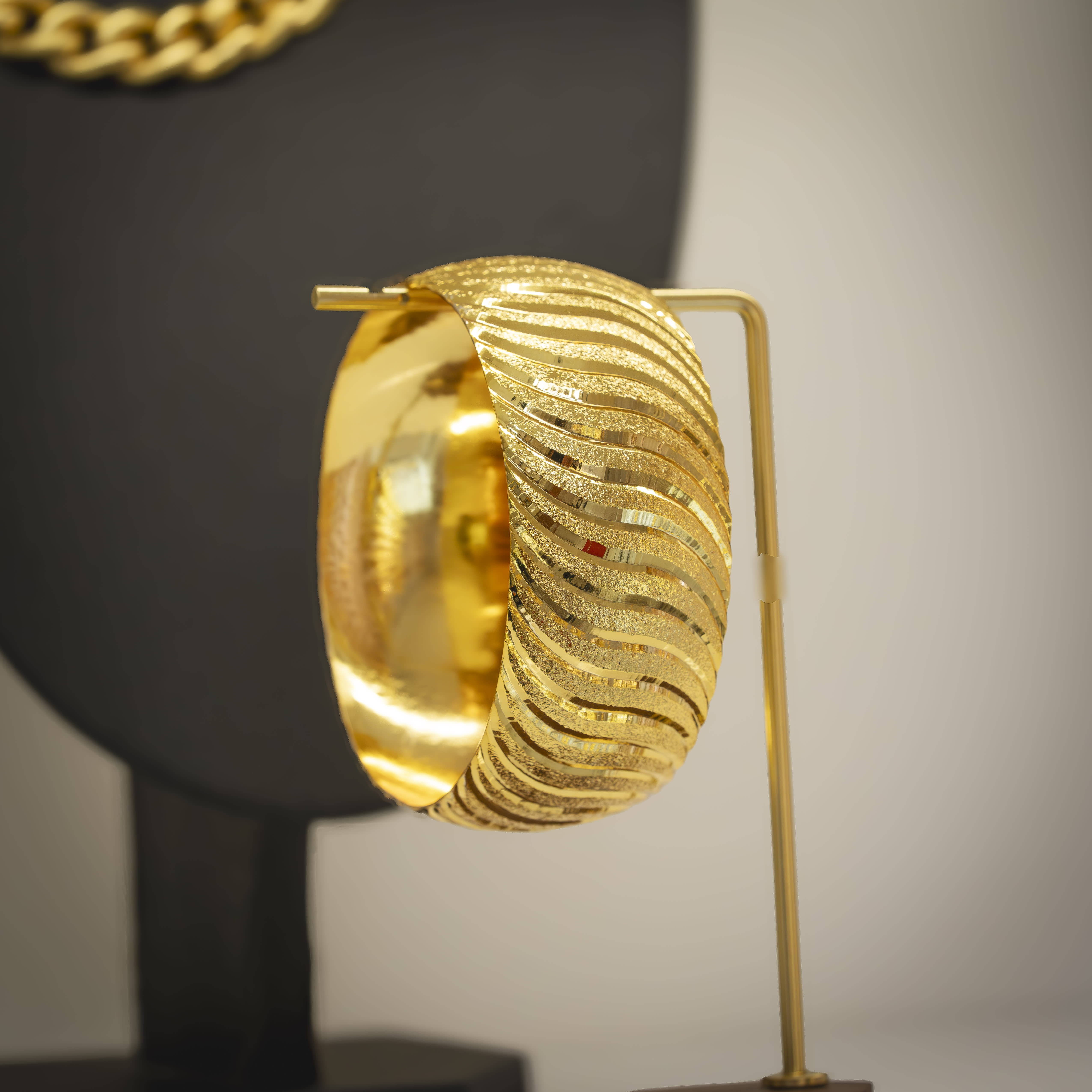
Actually, this technology is not new. However, in 2026, both its benefits and aesthetic concerns have revived it in the fashion jewelry world. But rhodium, from the platinum family, is quite valuable due to its rarity in nature. However, jewelers use a method called electroplating to apply this precious metal to the jewelry surface in micron thickness. In addition, unlike other techniques like PVD, this process ensures the metals bond together and gives a smooth result. In summary, it also pairs perfectly with 925 sterling silver.
That is why many of our customers choose this path to extend the life of their jewelry. You too can experience this privilege immediately by discovering **rhodium plated** products.
How Does the Rhodium Plating Process Work?
First, the jewelry is thoroughly cleaned and polished. In addition, it is then dipped into a special liquid containing rhodium anodes, and a low voltage is applied. In summary, this current causes the rhodium ions to adhere to the jewelry and form a hard, thin layer. So, the result? However, your jewelry becomes nearly 70% more resistant to scratches and wear. Whereas, thanks to the meticulous work of our craftsmen, your pieces stay like new for years.
History and Modern Use of Rhodium Plating
The story dates back to the early 1900s. However, people first used it on car parts and in the electrical industry to prevent rust. But in the 1980s, jewelers stepped in; they adopted this method to fix the color of white gold and enhance its brightness. On the other hand, by 2026, it is no longer just for luxury; stylish jewelry brands catering to all budgets have made it indispensable. Consequently, on online sales platforms, sales of these plated products have increased by over 40% in the last two years. Consequently, consumers want lasting beauty. Moreover, fortunately, the number of those seeking quality **rhodium plating** services is increasing every day.
In short, in 2026, this process has become a conscious choice, not a luxury. As a result, this popularity has brought more model and campaign options.
Which Jewelry Models Are Suitable for Rhodium Plating in 2026?
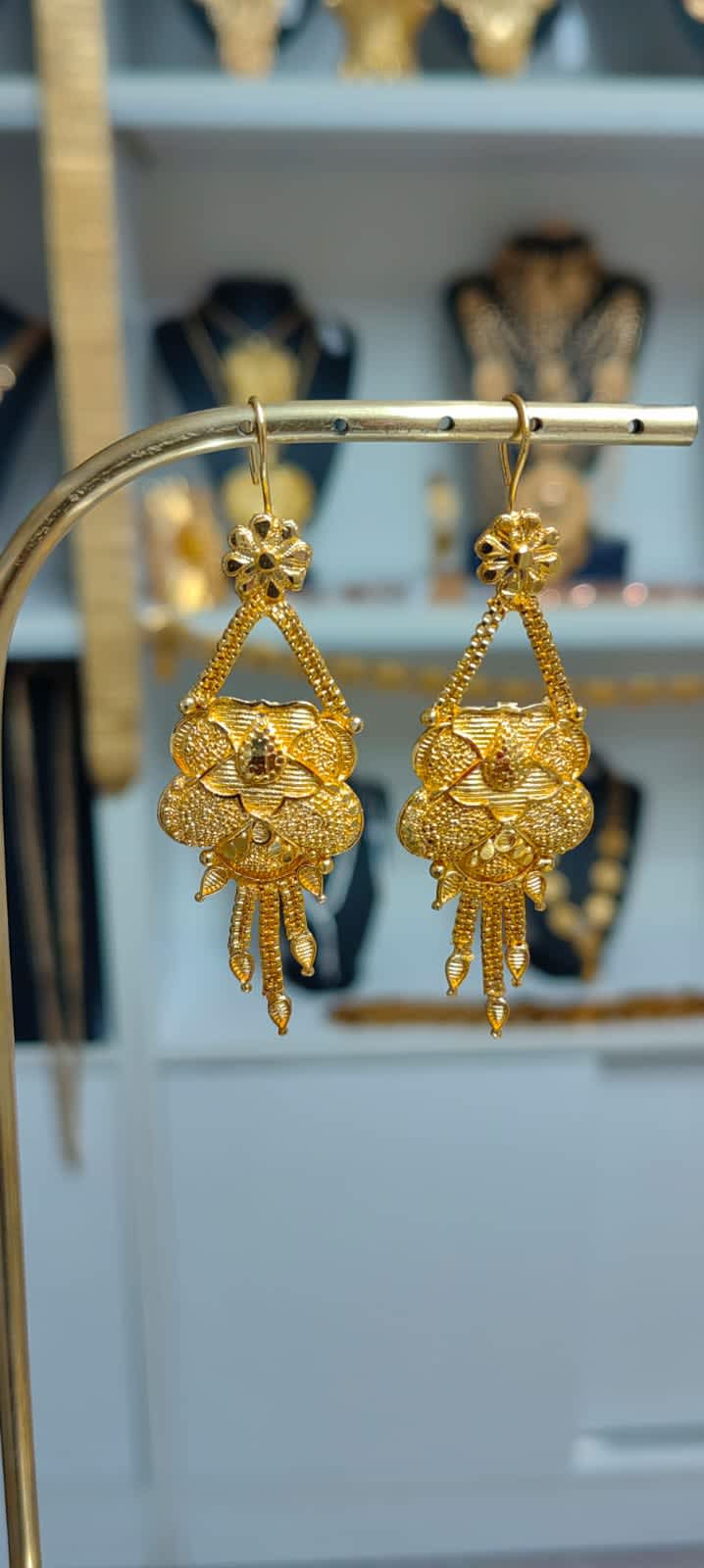
Almost all metals are suitable. Still, the star of 2026 is 925 sterling silver jewelry. The reason is simple: Silver oxidizes and tarnishes over time. Rhodium plating essentially freezes this process. For example, the Indian Earring - HKPL003 model, when treated with this process, gains a white gold appearance and eliminates tarnishing worries. Jewelers who want to whiten gold alloy jewelry or lock in its shine also frequently use this method. It is a smart choice that extends the life of both silver and gold-plated products.
What Are the Top 3 Advantages of Rhodium Plating in 2026?
Why are our customers and jewelry enthusiasts flocking to **rhodium plated** products? Here are three fundamental reasons that shape 2026 and make it so special:
- Perfect White Brilliance: Rhodium is naturally very white and shiny. It gives your jewelry a diamond-like light and a cool, noble white tone. It offers an elegant aesthetic completely different from the yellowish tones of silver or the warm tones of gold.
- Hypoallergenic Structure and Safety: It does not contain allergy-causing metals like nickel. It is one of the safest options for sensitive skin and those with nickel allergies. 2026 data shows that allergic complaints are up to 95% less common among users of this plated jewelry.
- Tarnish-Proof and Scratch-Resistant Protection: Its biggest advantage is protecting the jewelry like a shield against the outside world. Sweat, chlorine, perfume, or