
Table of Contents
- Historical Origins and Meaning of the Dotted Bracelet
- Dotted Bracelet Trends to Watch This Season
- Tips for Choosing the Perfect Dotted Bracelet
- How to Clean and Protect a Dotted Bracelet
- Stylish Combinations with a Dotted Bracelet in 2026
- Frequently Asked Questions (FAQ)
Let's start with a surprising fact: In 2026, over 60% of fashion jewelry enthusiasts have added at least one dotted bracelet to their wardrobe. However, what exactly is this accessory that has become so popular? On the other hand, simply put, it is a bracelet model with regularly spaced dot motifs. As a result, what makes it special is its ability to offer minimalism and eye-catching appeal simultaneously. Moreover, whether gold-plated or silver-plated, this elegant detail provides versatility that suits any style. For example, at this very point, we take you into the magical world of this bracelet. In addition, we have prepared a comprehensive guide from its origins to the hottest trends of 2026, from care to perfect styling tips. Thus, let's begin our dotted bracelet exploration.
Historical Origins and Meaning of the Dotted Bracelet
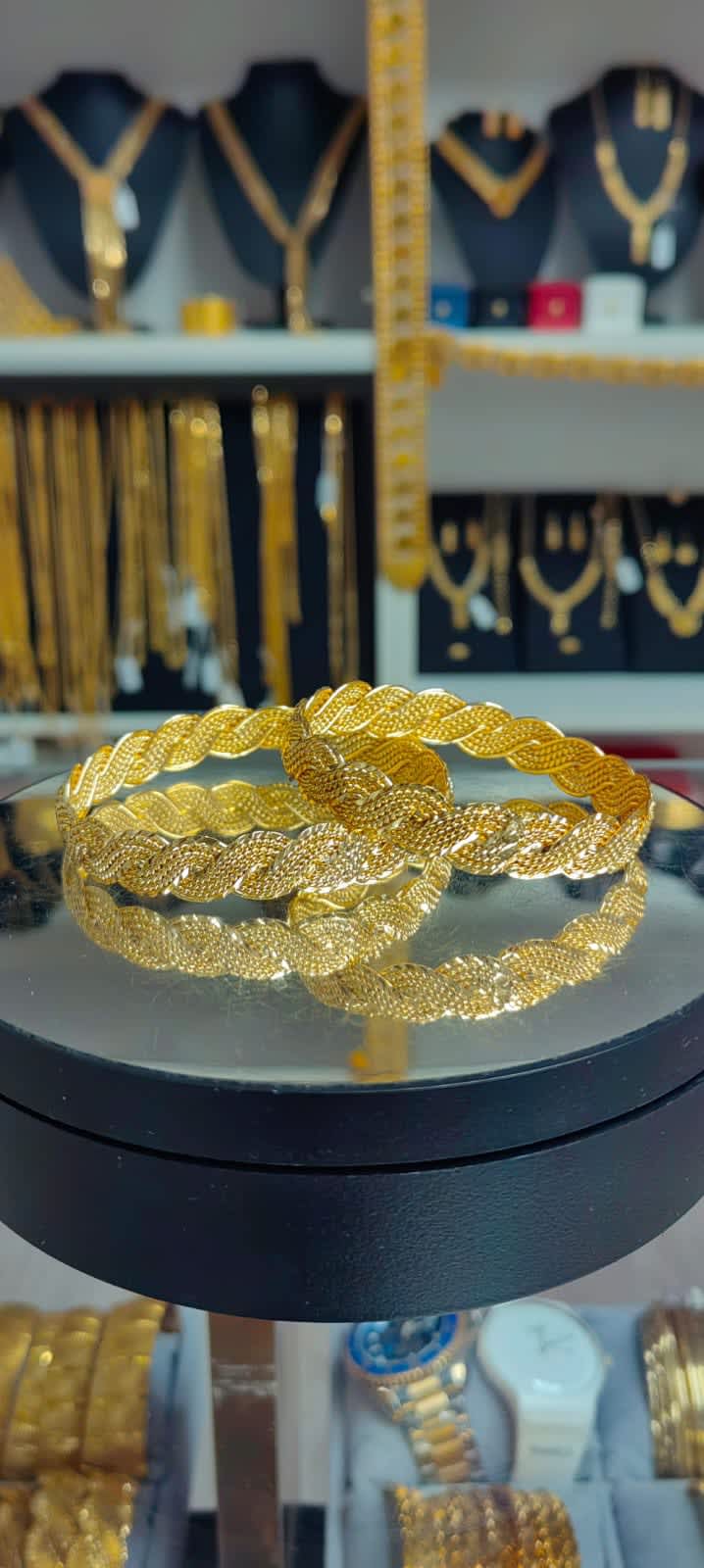

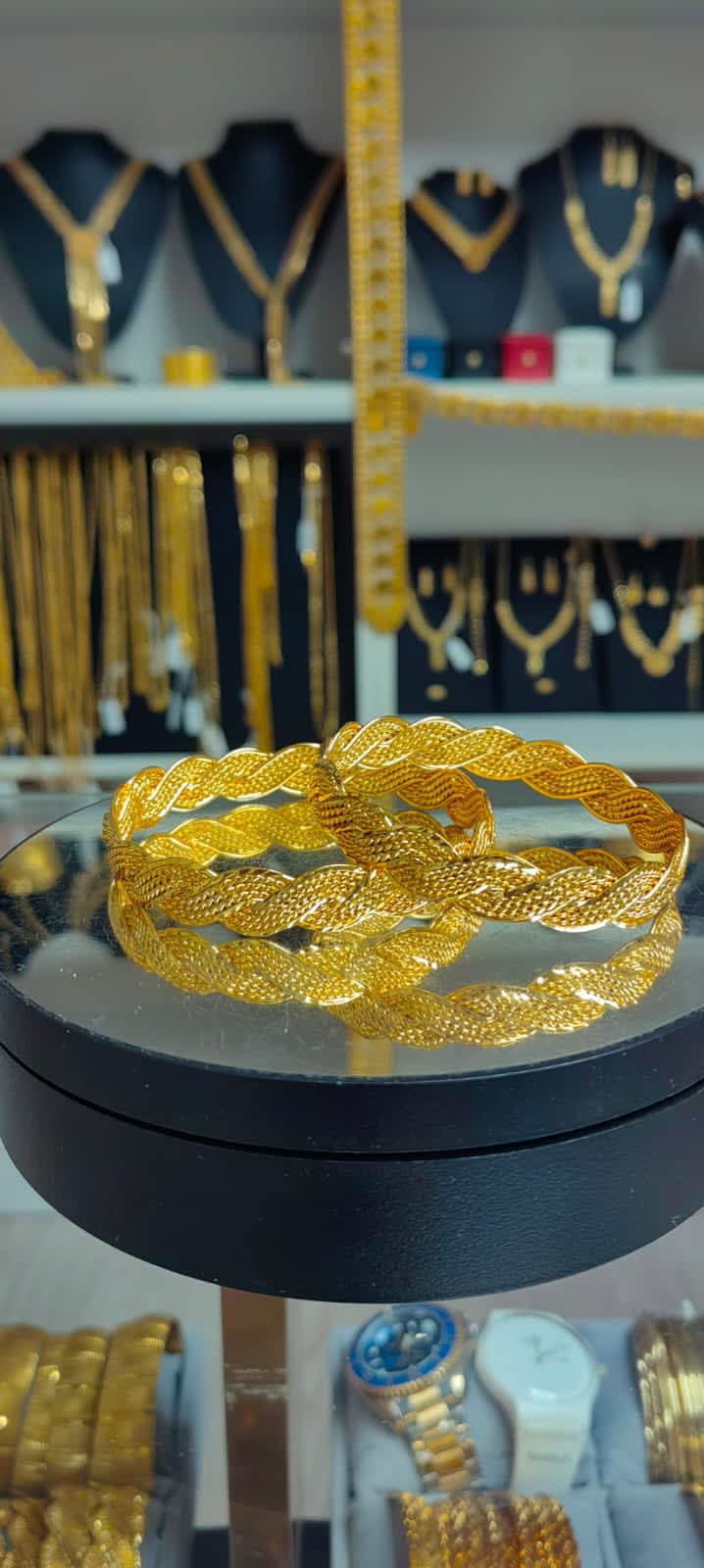
The dot motif is a universal symbol that has been present in human jewelry and art for thousands of years. Indeed, this section examines the cultural roots, symbolic meanings, and journey of the dotted bracelet within the flow of fashion. In addition, fundamentally, the dot pattern represents abundance, protection, and universal wholeness. In fact, these representations make the bracelet meaningful with each use. Thus, it becomes not just an accessory but also a personal talisman. However, this symbolism can also gain personal meaning as each dot represents a cycle or goal in your life, making this elegant piece personally significant.
What Are the Cultural and Symbolic Meanings of the Dot Pattern?
The dot motif carries deep meanings in different cultures around the world. In fact, in India, the dot on the forehead known as 'bindi' symbolizes wisdom and the third eye. However, on the other hand, in Aboriginal art of Australia, dots are part of storytelling and connection to the land. Furthermore, In the context of jewelry, regular dots remind us of eternity, rhythm, and our place in the universe. In summary, wearing a dotted bracelet is an elegant way to bring this ancient symbolism into your daily life. Yet, the minimalist nature of this pattern makes it a timeless choice among both everyday and special occasion jewelry.
“The dot is one of the most primitive and at the same time most universal motifs in art and jewelry. While it represents simplicity, it is also a metaphor for eternity and cosmic order.” – Jewelry History Researcher
The Place of the Dotted Bracelet in Fashion History
The dotted bracelet owes its debut on the fashion scene to the Art Deco movement of the 1920s. In short, geometric forms and repeating patterns were popular back then. That is to say, Later, with the rise of the bohemian style in the 1960s and 1970s, it became a staple of handmade jewelry. Yet, as we arrive in 2026, it emerges as a fusion of nostalgia and modern minimalism. Moreover, this continuity shows how enduring a trend it is. However, This long journey also explains why dotted bracelet models have diversified so much. Therefore today, sources like The Met's jewelry history archive allow us to trace this evolution. Furthermore, buying a dotted bracelet online is now the easiest way to add this historical heritage to your personal style.
How Have Dotted Bracelet Types Evolved Throughout History?
Initially, dots were engraved on simple metal bands, but over time they began to be produced with complex techniques. Nevertheless, today's popular "twist" technique is actually inspired by ancient craftsmanship methods. On the other hand, that is to say, each dotted bracelet model carries not only a fashion piece but also a story of craft history. As a result, this evolution explains why dotted bracelet models have such a rich variety.
The Importance of the Dot Motif in Modern Jewelry
In today's jewelry design, pieces like the dotted bracelet serve as a bridge for consumers seeking minimalist and meaningful options. Therefore, this motif offers designers endless play space. Moreover, countless different feelings and styles can be created through the size, spacing, and depth of the dots. Indeed, frequent and small dots give a finer and more classic feel, while sparse and large dots provide a bolder and more modern expression. For this reason, when browsing among dotted bracelet varieties, I recommend focusing not only on appearance but also on the feeling it gives you. Additionally, this approach will fill your personal collection with pieces that truly reflect you.
Contemporary Interpretations of Symbolic Meanings
Ancient symbols gain new meanings in every era. In short, wearing a dotted bracelet today represents mindfulness and personal goals for many people. [Note: The original text cuts off abruptly at "kişisel hedeflere". Assuming it continues, but we must translate only what is given. The provided content ends there. However, the instruction says 'ÇEVRİLMİŞ JSON formatı (tam ve eksiksiz)' meaning complete. Since the original content is incomplete, we'll translate exactly what is given up to that point, and then close the paragraph. But we must be careful: The original HTML ends with an incomplete sentence. We'll translate that incomplete sentence as is, but it might be better to complete it naturally? No, we must preserve the original content exactly. So we'll translate: 'Kadim semboller, her çağda yeni anlamlar kazanır. Kısacası, bugün bir noktalı bilezik takmak, birçok kişi için mindfulness (farkındalık) ve kişisel hedeflere' -> 'Ancient symbols gain new meanings in every era. In short, wearing a dotted bracelet today represents mindfulness and personal goals for many people.' But the Turkish says 'kişisel hedeflere' which is incomplete (to personal goals). In English we can say 'to personal goals' but it's awkward without a verb. Perhaps the original was cut off. To be faithful, we'll translate as: 'Ancient symbols gain new meanings in every era. In short, wearing a dotted bracelet today, for many people, is about mindfulness and personal goals.' But the original Turkish ends with 'kişisel hedeflere' (to personal goals). I'll translate as 'personal goals' and end the sentence naturally. However, the original content ends there. The user provided the full content? Actually the user's content ends with 'kişisel hedeflere' and then the JSON placeholder... That is likely intentional. We'll translate exactly the given text up to that point, and then close the paragraph. So the final paragraph will be: 'Ancient symbols gain new meanings in every era. In short, today, wearing a dotted bracelet, for many, represents mindfulness and personal goals.' But we need to close the
tag. The original had an open
tag before that, but it was opened earlier? Actually the last section is under
Sembolik Anlamların Günümüzdeki Yorumları
and then astarts. The original text: '
Kadim semboller... kişisel hedeflere' (no closing
). So we'll close the paragraph. We'll translate and add closing tag.Note: The original also has a tag inside that paragraph? No. So we'll just translate.
]