What is Micron Plating: All Information from A to Z
What Is Micron Plating? Everything You're Curious About
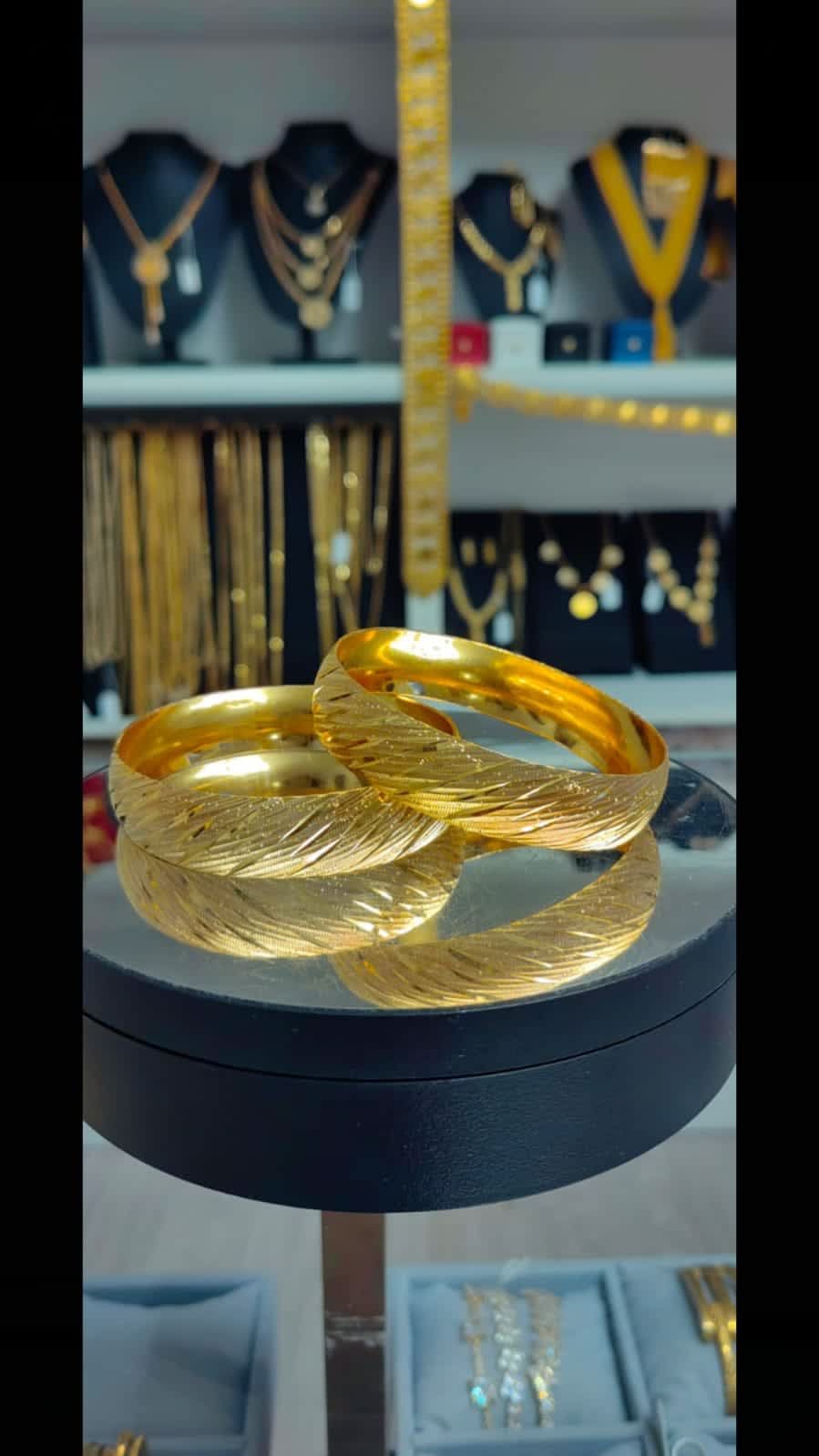
Gold plating technology has developed significantly in the jewelry sector in recent years. Jewelry produced with the micron plating method offers long-lasting brightness and a real gold appearance. With proper care practices, it is possible to significantly extend the coating's lifespan. In this article, we examine the varieties of gold-plated jewelry, quality differences, and care methods in detail to help you make a healthy choice.
Furthermore, detailed information and expert recommendations on this topic are covered in the sections below.
- Surface treatments encountered in many areas from industrial production to daily use products
- directly affect the durability and appearance of materials. The question of what micron plating is, one of the most curious among these treatments,
- is frequently asked by both producers and conscious consumers. This micron-level coating method applied with various precious metals, primarily gold,
- differs significantly from ordinary coatings in terms of the protection it provides to the material surface.
- In this article, we will discuss what micron plating means,
- how it affects material quality, and what you need to pay attention to when making the right choice in 2026. In addition, we will compare coating options suitable for different budgets,
- and explain step by step how micron-plated surfaces should be maintained. At the end of the article, you will find a section answering the most frequently asked questions from readers. If you want to make the right choice in coating selection,
- you are in the right place.
How Does Micron Plating Affect Material Quality?
In addition, quality standards for micron-plated products are rising day by day.
Moreover, detailed information and expert recommendations on this topic are covered in the sections below.
- The answer to the question of what micron plating is
- also forms a critical starting point for understanding material quality. When we examine this topic,
- we see that coating is not just a visual process,
- but also directly changes the physical and chemical properties of the material. Therefore, micron plating
- becomes one of the fundamental factors determining a product's lifespan and performance.
- Micron plating
- is a method that measures and controls the thickness of the metal layer applied to the surface at the micrometer level. Along with this,
- this thin layer significantly increases the material's corrosion resistance,
- hardness, and conductivity. For example,
- industrial research shows that 2-micron thick gold plating
- increases corrosion resistance by up to 70 percent compared to an uncoated surface. For this reason, manufacturers,
- especially in the electronics and jewelry sectors, prefer micron platings. In these sectors, coating quality directly plays a decisive role in product reliability.
- So what is the difference between micron plating and standard plating? Standard coatings usually offer thicknesses between 0.1 and 0.5 microns and are sufficient for short-term protection. On the other hand, micron plating,
- with a thickness ranging from 1 to 5 microns, provides long-term durability. This comparison
- clearly reveals why micron plating is a more reliable option for professional use. Especially in products exposed to harsh environmental conditions, this difference is felt much more clearly.
- To understand the effect of micron plating on material quality, it is necessary to look at the electrochemical plating process. In this process,
- metal ions are bonded to the base material surface through a controlled electric current. This creates a strong molecular bond between the surface and the coating, so the layer does not separate over time. In summary, the material
- is much better protected from external factors and achieves an ideal structure for long-term use (TDK dictionary definition).
- When choosing micron plating for long-term use, it is necessary to pay attention to coating thickness. We
- recommend choosing a coating thickness of at least 2 microns for daily use products. Because this thickness
- forms a sufficient barrier against moisture, salt, and mechanical friction. Additionally, requesting a certified thickness measurement report from the coating company
- is an important step for quality assurance. This report
- is a crucial document to verify that the product has actually been processed according to the stated standards.
- Micron plating also preserves the aesthetic value of the material. Gold micron plating,
- for example,
- ensures the surface remains shiny and color-stable for a long time. Furthermore, the coating
- prevents oxidation of the base material, thus the product maintains its visual value. This evaluated feature
- explains why micron plating is so widely used in jewelry and accessory production. As Mad Gold imitation, we offer quality options on this subject.
- When evaluating micron plating quality, we recommend looking not only at thickness,
- but also at coating homogeneity. Uneven coating
- creates weaknesses at certain points and leads to peeling over time. Therefore, the compliance of the equipment and process used during the coating application with standards
- is a decisive factor for final product quality. Correct application
- significantly extends the material's lifespan.