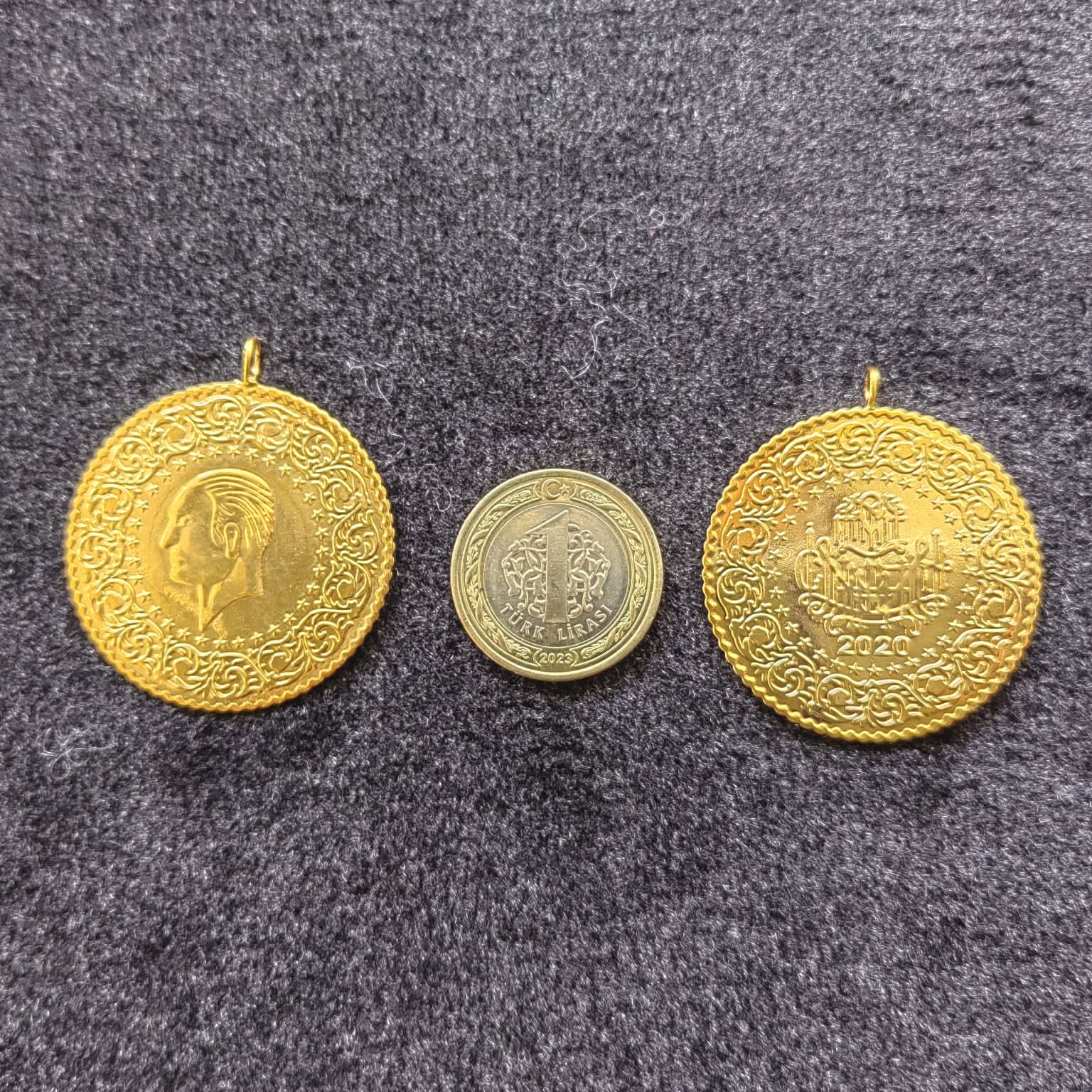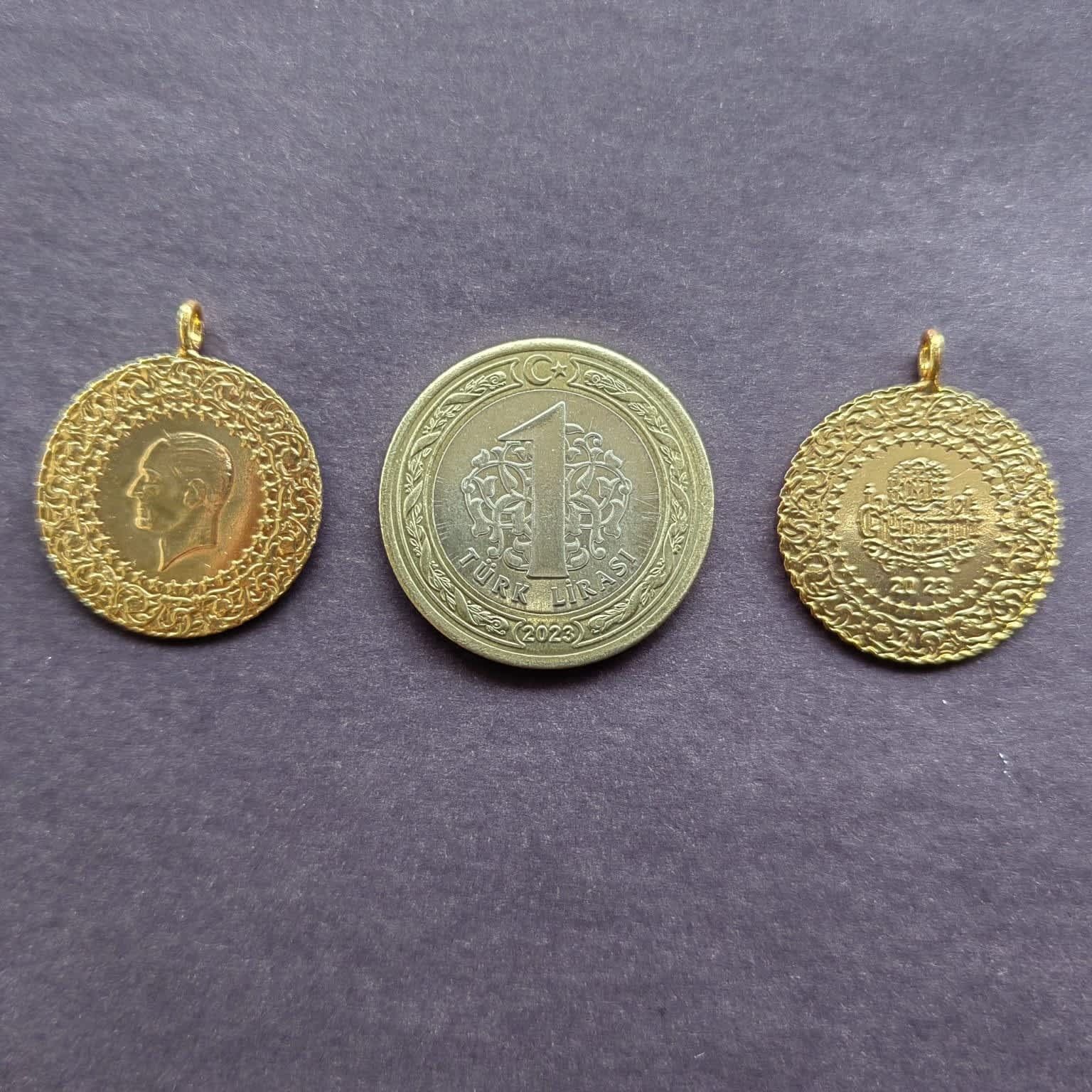
Non-tarnishing gold plated jewelry emerges as a practical answer to aesthetic concerns in 2026. However, does such a bold promise really hold up? On the other hand, in this guide, we will first simply explain the science behind these pieces. Consequently, we will then lay out the key differences from solid gold. Indeed, we will list the standout models of 2026 and share tips to extend their lifespan. In addition, finally, we will touch on reliable places to shop. Additionally, the secret to lasting shine lies right here.
What Are Non-Tarnishing Gold Plated Jewelry and How Are They Made?
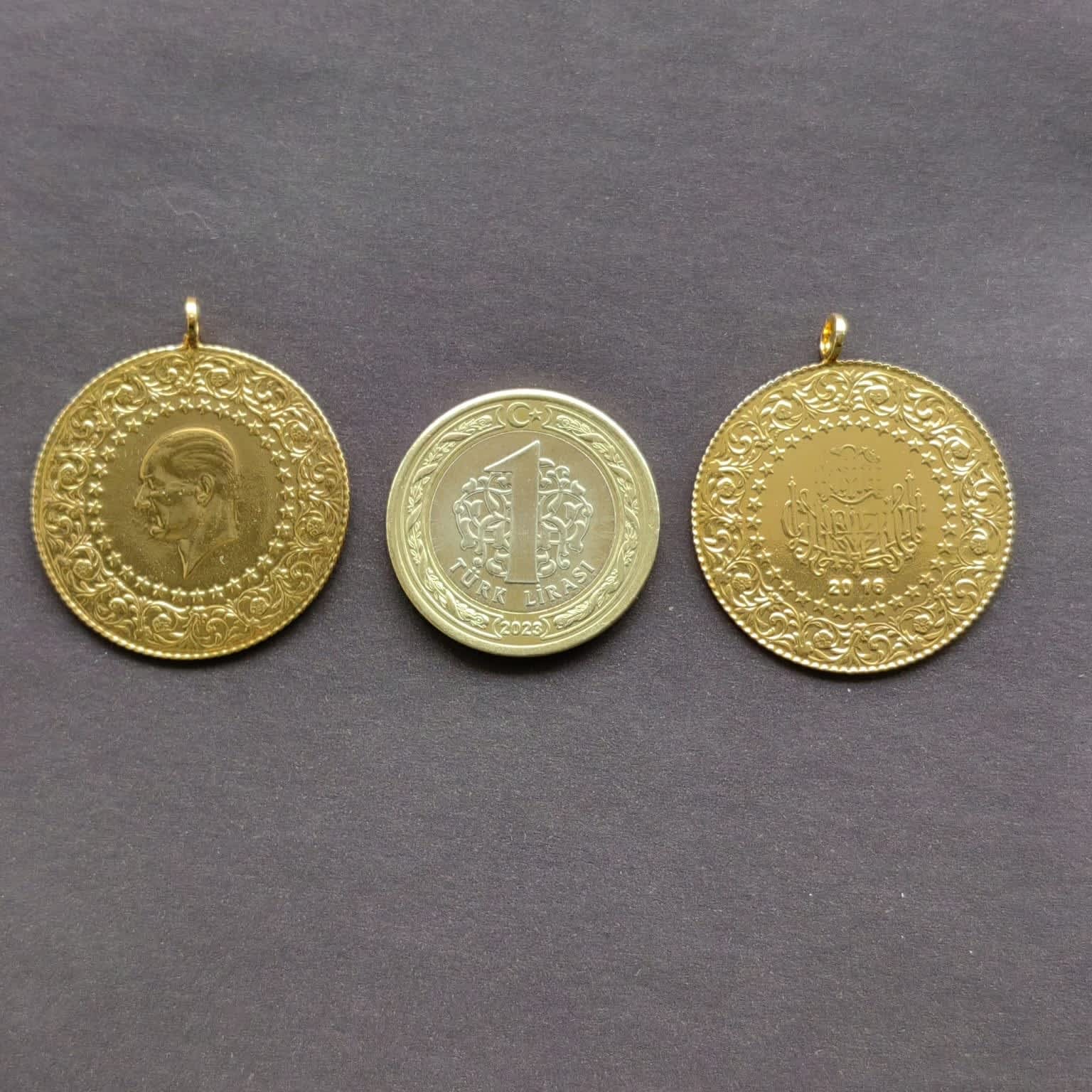

While traditional gold plated jewelry tarnishes over time, non-tarnishing gold plated jewelry offers a technological answer to this problem. Indeed, the essence of the difference lies in the plating process itself and material quality. In fact, these pieces are produced by plating pure gold or gold-colored metals in nanometric layers onto a durable base metal like 316L steel or 925 sterling silver, in special vacuum environments using advanced techniques. In fact, the term 'non-tarnishing' does not mean absolute, but rather a very high resistance to oxidation and sulfidation. Furthermore, thanks to this technology, color changes caused by sweat, moisture, and air contact in daily use are largely delayed.
New generation non-tarnishing gold plated jewelry can earn a permanent place in your collection. Additionally, frankly, questioning the production technology when purchasing provides a great advantage. In short, based on our years of observation, products that have undergone high-quality PVD processing offer a trouble-free experience for over 2 years for the vast majority of our customers.
A materials engineer says, "Modern non-tarnishing plating techniques increase wear resistance by about 3 times compared to traditional electroplating, extending jewelry life. In short, the critical factor here is the homogeneous plating thickness controllable at the micron level."
How Does PVD Plating Technology Work?
PVD (Physical Vapor Deposition) is a technology frequently encountered in the production of non-tarnishing gold plated jewelry. In summary, the process begins with evaporating a target metal, such as gold or similar, under high vacuum. That is, this metal vapor is then directed to the base metal and cools to form a thin, dense, and adherent layer. In other words, the biggest advantage of this method is that the plating is homogeneous and non-porous. Because, it becomes almost impossible for external factors to penetrate the lower layer. Whereas, in fact, jewelry produced with this technique can maintain its shine for more than 2 years even in daily hustle. Therefore, PVD plating has become a standard for non-tarnishing gold plated jewelry.
You too can benefit from this durability. Because, by purchasing non-tarnishing gold plated jewelry produced with PVD, you take advantage of this benefit. However, you enjoy its shine for a long time.
Why Is Rhodium Plating Preferred?
Rhodium plating is a favorite among manufacturers, especially for white gold-look non-tarnishing gold plated jewelry. However, rhodium is a shiny white and extremely hard precious metal resembling platinum. Furthermore, this property makes it incredibly resistant to wear and scratches. Consequently, fortunately, this plating not only provides a white appearance but also sits like a protective shield over the gold plating, minimizing the risk of allergies. Moreover, honestly, the cost of rhodium plating is higher. But the durability and 'non-tarnishing' performance it offers easily compensate for this difference. Whereas, if you are looking for a long-lasting accessory, you should definitely check out rhodium-plated models.
These models may be slightly higher in the price list, but they offer a worthwhile investment.
Relationship Between Plating Thickness and Durability
The duration of the non-tarnishing feature is directly related to plating thickness. Moreover, in the industry, a thickness between 3 and 5 microns is generally preferred. Thicker platings extend the jewelry's life but increase cost. However, thickness alone is not enough. The homogeneity of the plating is equally important. When purchasing non-tarnishing gold plated jewelry, you can look for these technical details in product descriptions. A plating of the right thickness and quality ensures your jewelry shines like new for an average of 18-24 months. Reliable sellers share this information openly with their customers. In this respect, thickness information plays a critical role when making a choice.
What Is the Difference Between Non-Tarnishing Gold Plated Jewelry and Solid Gold?