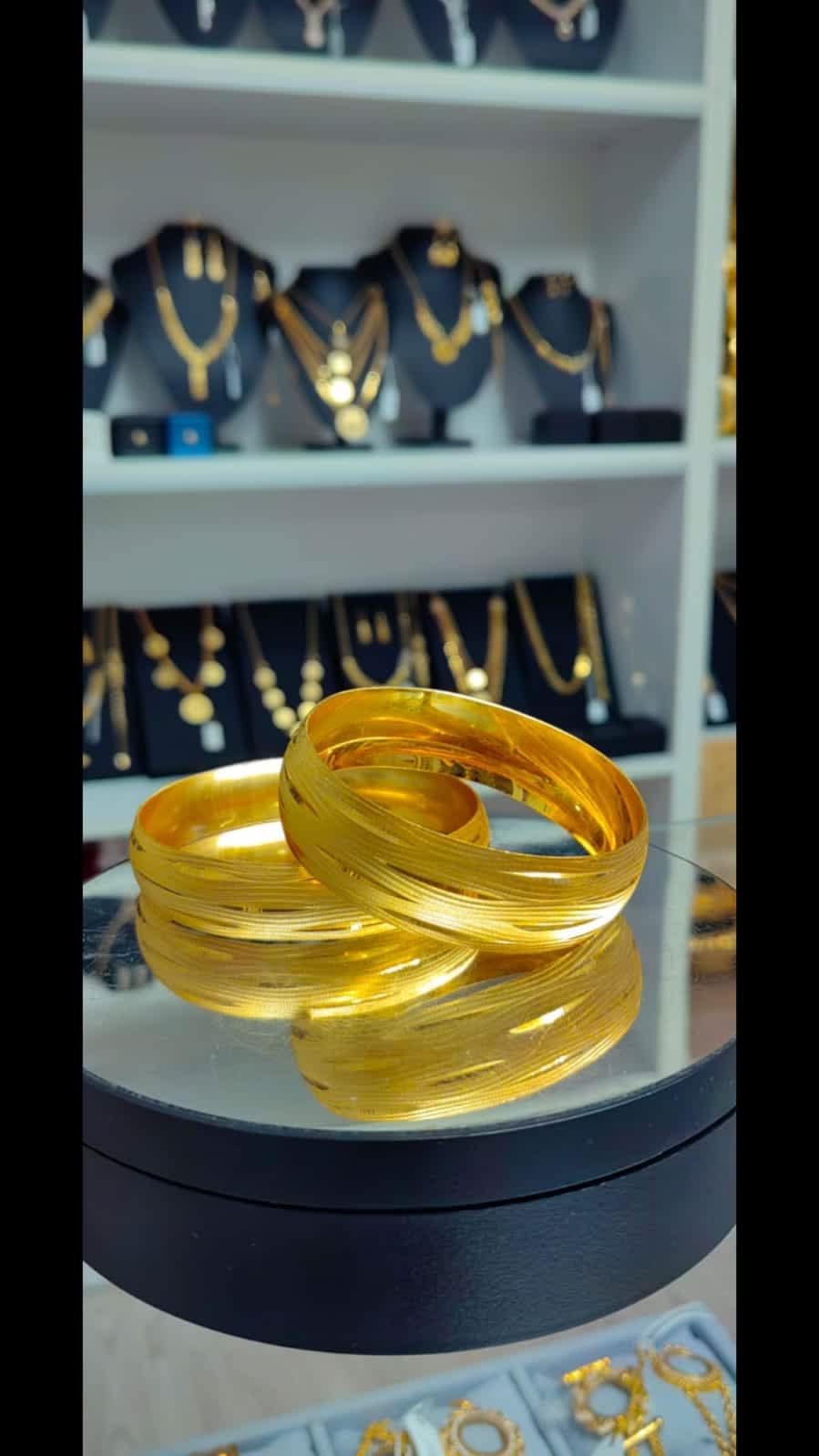
In the imitation jewelry industry, the most researched and demanded product is undoubtedly tarnish-free imitation gold bracelet models. As of 2026, it has become a top priority not only to look stylish but also to maintain that style for months or even years. However, finding the right product requires understanding material knowledge and technology. In this guide, I summarize the secrets of lasting shine and the tips for choosing a long-lasting bracelet, based on my over 10 years of industry experience.
What is a Tarnish-Free Imitation Gold Bracelet and Why is it Important?
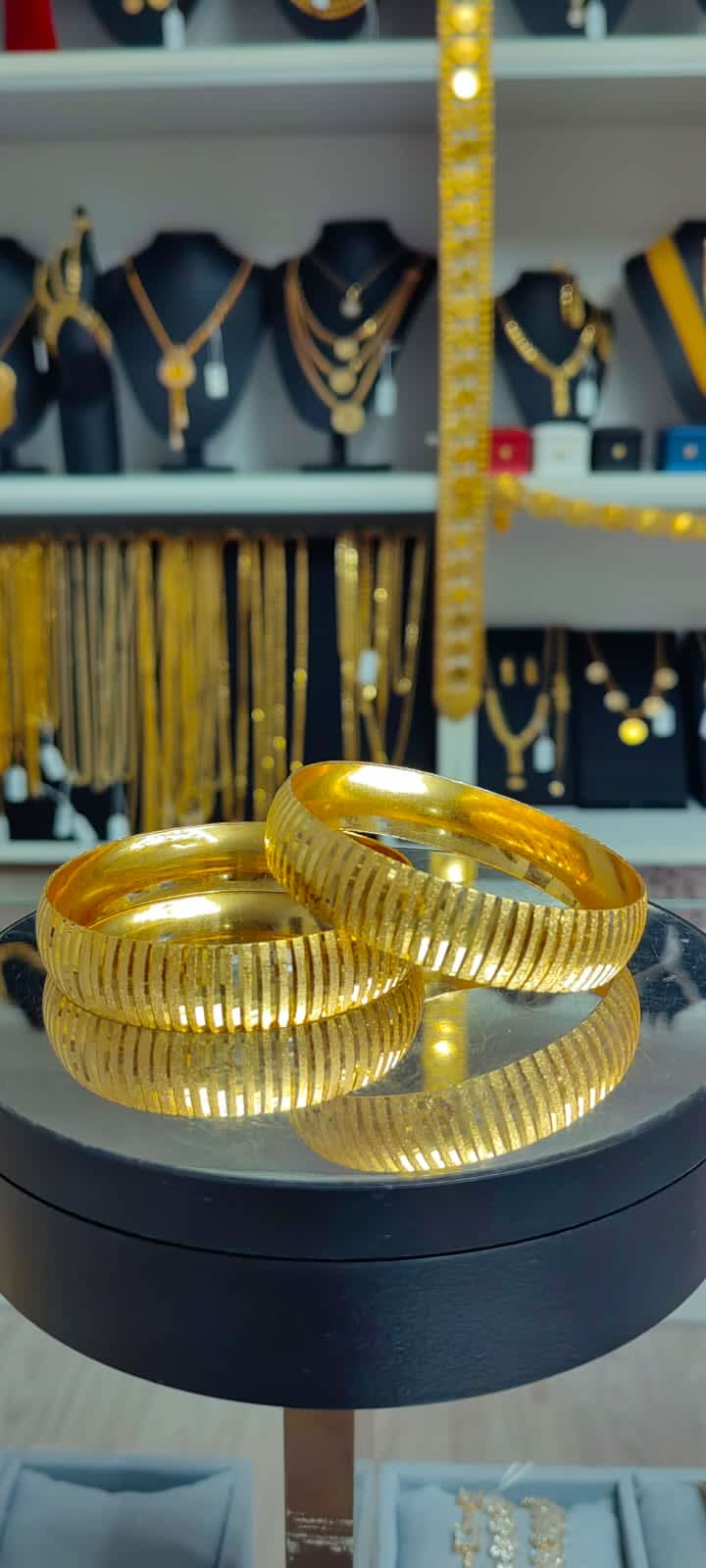
Actually, the answer is in the name, I would say. These bracelets are produced with special coatings that do not oxidize when in contact with your skin, meaning they don't leave those familiar black-green stains. Moreover, why is this feature so critical? Because the consumer of 2026 no longer prefers "disposable" fashion but "sustainable" fashion. For example, instead of constantly buying new jewelry, they invest in a piece they trust in quality. Especially from this perspective, a good tarnish-free imitation gold bracelet is a candidate to become a staple in your wardrobe. Additionally, using durable jewelry significantly reduces your annual accessory spending – some of our customers report saving up to 40%.
In short, we are not talking about an economical trinket but a smart fashion investment.
3 Core Technologies and Materials Used in Tarnish-Free Imitation Gold Bracelets
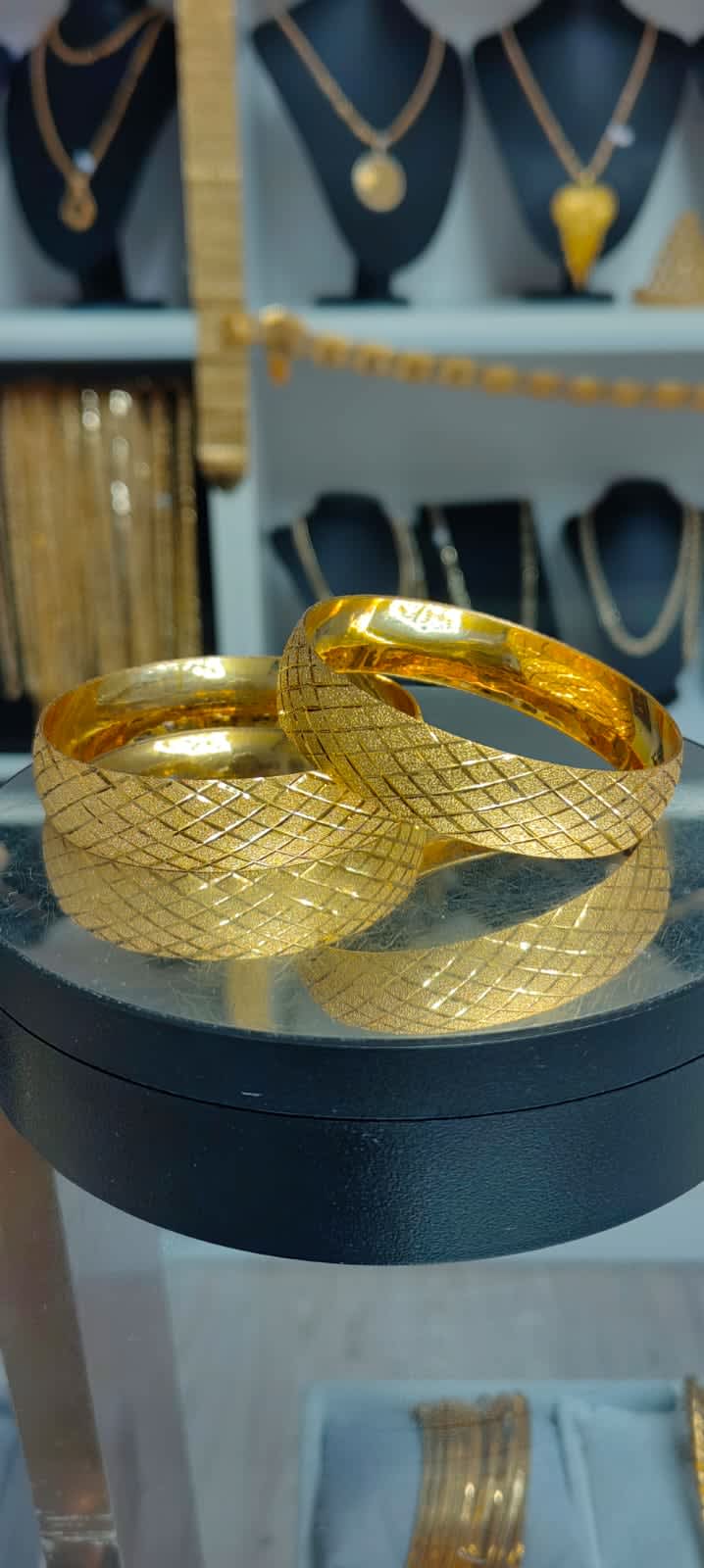
What determines how long a bracelet will last is the underlying technology. Indeed, there are three key factors that fundamentally solve the tarnishing problem. Therefore, these techniques not only extend lifespan but also add that premium feel to the jewelry. In addition, from my years of observation, the secret of quality lies right here.
Advanced Coating Techniques: PVD vs. Vacuum Coating
Old electroplating methods are becoming history. In addition, in new-generation PVD (Physical Vapor Deposition) and vacuum coating techniques, gold microns are practically locked onto the steel surface. Even sweat, perfume, sea water... But none of these can penetrate this strong barrier. In short, take a look at the table below to see the difference between traditional and modern:
| Feature | Traditional Electroplating | Advanced PVD / Vacuum Coating |
|---|---|---|
| Coating Thickness | 0.5 - 1 micron | 2 - 5+ microns |
| Durability Period | 6-12 months | 3-5+ years |
| Resistance to External Factors | Low | Very High |
| Color Consistency | May fade over time | Preserved for a long time |
Why These Technologies Do Not Tarnish?
The secret lies in forming an inert structure that does not react with air and skin acids. Besides, PVD coating turns gold into a vapor and deposits it as a crystal-like layer on a cold surface. In summary, perfect protection at the microscopic level! In other words, daily moisture and sweat cannot penetrate this layer. Thus, you own a tarnish-free imitation gold bracelet that stays shiny for years. However, this technology shows the same power when applied on 925 sterling silver.
Core Material Quality: 316L Steel and Above
No matter how good the coating is, it's useless if the underlying core is not solid. Because nickel-free, almost zero allergy risk 316L quality stainless steel is now a must. In contrast, this steel, compliant with ASTM International standards, is known for its resistance to rust. Also, its smooth surface directly affects the quality of the coating on top.
Advantages of PVD Coating and Longevity
The PVD process takes place in a highly controlled environment. However, this means each bracelet is coated with the same perfection. Moreover, there is no color difference between batches. Furthermore, it adds extra hardness to the coating, creating a shield against daily scratches. Therefore, when shopping online, you can trust a tarnish-free imitation gold bracelet with confidence