Gold plated jewelry is jewelry made with a thin layer of gold bonded over a base metal core, usually brass, copper, or stainless steel. In 2026 it remains one of the most practical ways to wear a gold look without paying bullion prices — but whether it is worth it depends on how you plan to wear it.
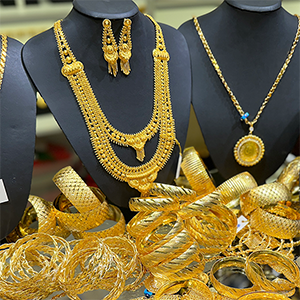
- Standard gold plating is generally at least 0.5 microns thick, while heavy gold plate typically measures 2.5 microns or more.
- Under US trade standards, gold filled jewelry must contain at least 5% gold by weight, which is why it outlasts standard plating.
- Gold vermeil is defined as sterling silver with a gold layer of at least 2.5 microns.
- Nickel is the most common metal allergen in jewelry, so nickel-free plating is the key specification for sensitive skin.
Table of Contents
- What Does "Gold Plated" Actually Mean?
- How Long Does Gold Plated Jewelry Last?
- Is Gold Plated Jewelry Cheaper Than Solid Gold?
- Will Gold Plated Jewelry Turn Your Skin Green?
- When Is Gold Plated Jewelry Worth It?
- How Do You Make Gold Plated Jewelry Last Longer?
- What Should You Check Before Buying?
- Frequently Asked Questions
If you want to see how a modern gold plated collection is actually finished and priced before deciding whether it is worth it, Mad Gold İmitasyon publishes its full range with material details online.
What Does "Gold Plated" Actually Mean?
Gold plated jewelry is a base metal core covered by a microscopic gold layer, typically 0.5 to 2.5 microns thick, which is why it looks like gold without the gold price.
Gold plated jewelry is a composite material: a base metal core covered by a very thin layer of gold. The core — usually brass, copper, or stainless steel — does the structural work, while the gold layer supplies the color and shine. That structure explains both the low price and why wear over time matters so much.
Thickness is measured in microns. Industry standards generally expect at least 0.5 microns of gold before a piece can be sold as gold plated. The term "heavy gold plate" usually signals 2.5 microns or more, and those pieces hold their color noticeably longer than thin plating.
Two related terms get mixed in constantly. Gold filled jewelry mechanically bonds a much thicker gold layer and must contain at least 5% gold by weight under US trade standards. Gold vermeil is sterling silver coated with at least 2.5 microns of gold. Both outlast ordinary plating by a wide margin.
How Long Does Gold Plated Jewelry Last?
Most gold plated jewelry keeps its color for roughly six months to two years with normal wear, while heavy plating and gold filled pieces often last three years or longer.
Plating wears down through friction, moisture, and chemistry. The layer is thin, so it thins fastest where it touches skin, rings, and clothing. Necklaces rub against the collarbone, bracelets slide across a wrist, and rings take constant contact.
Your own body chemistry is a major variable. Sweat is slightly acidic, and some people's perspiration is more aggressive toward base metals than others. Perfume, sunscreen, hairspray, and chlorine all accelerate the process.
Realistic expectations help here. A well-made plated piece worn a few times a week can look new for a year or more. The same piece worn into the shower, the gym, and the ocean will fade far faster.
Is Gold Plated Jewelry Cheaper Than Solid Gold?
Yes — gold plated jewelry costs a fraction of solid gold because you pay for microns of gold rather than grams of it.
Solid gold prices track the global bullion market, and in 2026 that market remains historically expensive. A solid 14K bracelet can cost hundreds or thousands of dollars. A gold plated bracelet with the same visual presence usually lands in the tens of dollars.
What you actually pay for in a plated piece is labor, design, base metal, and finishing — not gold content. That is why two plated bracelets can differ in price by three times while looking identical in a photo.
Gold filled and vermeil sit between the extremes. They cost more than standard plating but far less than solid gold, and they age more gracefully. For many buyers, that middle ground is the practical answer. You can compare finishes and price tiers in the full online store.
Will Gold Plated Jewelry Turn Your Skin Green?
Skin discoloration usually comes from the base metal reacting with sweat rather than from the gold itself, and nickel-free plating dramatically lowers the risk.
That green or black mark on your wrist is a chemical reaction, not a stain from gold. Copper and brass alloys react with sweat and acids on the skin to form salts that transfer as color. The gold layer itself does not cause it.
Allergic reactions are a different issue and almost always trace back to nickel, the most common metal allergen. If your ears or wrists itch, redden, or blister, look for nickel-free plating over stainless steel or titanium.
Sensitive skin generally does fine with plated jewelry when the base is chosen carefully. Avoid unknown alloys from unlabeled sellers, and take pieces off before swimming or heavy sweating.
When Is Gold Plated Jewelry Worth It?
Gold plated jewelry is worth it when you want a specific look for a defined period rather than an heirloom you expect to pass down.
Think in terms of cost per wear. A $40 plated necklace worn twice a week for a year costs about 40 cents per wear. A $1,200 solid gold necklace worn the same way costs roughly twelve dollars per wear over that same year.
Plating wins in clear situations: statement pieces for a wedding season, trendy designs you may not want in five years, matching jewelry sets for a party, travel pieces you would rather not risk losing, and gifts where design matters more than metal.
Solid gold wins when the piece is sentimental, worn daily for decades, or intended as an inheritance. If resale value matters to you, plating will not deliver it — the gold content is too small to recover.
How Do You Make Gold Plated Jewelry Last Longer?
Plating lasts longest when jewelry goes on last, comes off first, and stays away from water, perfume, chlorine, and abrasive cleaners.
Order of operations matters. Apply lotion, perfume, and sunscreen first, let them dry, then put jewelry on. At night, remove pieces before washing your face or showering.
Store items separately in a soft pouch or a lined box. Metal-on-metal contact scratches the gold layer, and a drawer full of loose chains will dull quickly.
Clean gently with lukewarm water, a drop of mild soap, and a soft cloth. Skip ultrasonic cleaners, polishing compounds, and anything labeled abrasive, because all of them strip plating faster than daily wear does.
What Should You Check Before Buying?
Before buying, confirm the micron thickness, the base metal, whether the plating is nickel-free, and the seller's care and return terms.
A short checklist prevents a lot of disappointment. Ask for the micron rating, the base metal, and whether the finish is nickel-free. Sellers who publish those details usually stand behind the product.
Look at how the piece is finished on the edges and clasps, which are where plating wears first. Even color on hidden surfaces is a good sign of a thicker, more even coating. Popular categories such as gold plated bracelets and gold plated necklaces make it easy to compare these details side by side.
Also review the warranty and care guidance before checkout. Return windows and written care instructions tell you how the seller expects a piece to be worn, and whether they will replace one that fades early.
Those warranty and care terms matter most on the pieces you wear daily, so it is worth browsing the gold plated bracelets range and checking the material notes on each product page before you commit.
Frequently Asked Questions
Does gold plated jewelry tarnish?
Eventually, yes. The gold layer resists tarnish, but as it wears thin the base metal underneath can oxidize and darken. Keeping pieces dry and stored in a soft pouch slows the process considerably.
Can I shower or swim with gold plated jewelry?
It is not recommended. Water, soap, and especially chlorine break down plating faster than ordinary wear, so remove pieces before showering, swimming, or washing dishes.
Is gold plated jewelry safe for sensitive ears?
Usually, provided the base metal is nickel-free. Look for stainless steel or titanium cores with nickel-free plating, and test a short wear before committing to all-day use.
How much should gold plated jewelry cost?
Most quality plated pieces fall between $20 and $100. Anything dramatically cheaper usually means a very thin coating, while a much higher price should come with a thicker micron rating or a gold filled specification.
Is gold plated jewelry real gold?
It does contain real gold, but only a microscopic layer. There is not enough gold content to resell or melt down, so the value comes from the design, finish, and craftsmanship rather than the metal.
Ask one question before you buy
Message the seller and ask for the plating thickness in microns and what the warranty actually covers if the finish wears off, then decide based on the answer you get.
See more