
Table of Contents
- What Are Imitation Stone Types Rings and How Are They Classified?
- What Are the Most Preferred Imitation Stone Types in 2026?
- Frequently Asked Questions About Imitation Stone Types Rings
- How to Understand Quality When Choosing Imitation Stone Types Rings?
- How to Care for and Clean Imitation Stone Rings?
- Conclusion: Complete Your Style with Imitation Stone Rings in 2026
In 2026, the fashion world is focusing even more on personal expression and accessible elegance. One of the brightest reflections of this trend is seen in imitation stone types ring models. Research shows that nearly 65% of consumers are turning to these rings in search of an economical alternative to the grandeur of real precious stones. In this article, you will discover the world of imitation stone types rings that have become not just an accessory but a style manifesto. I will share answers to all your questions—which stone types stand out, how to understand quality, and how to care for them—based on my 10 years of industry experience.
What Are Imitation Stone Types Rings and How Are They Classified?
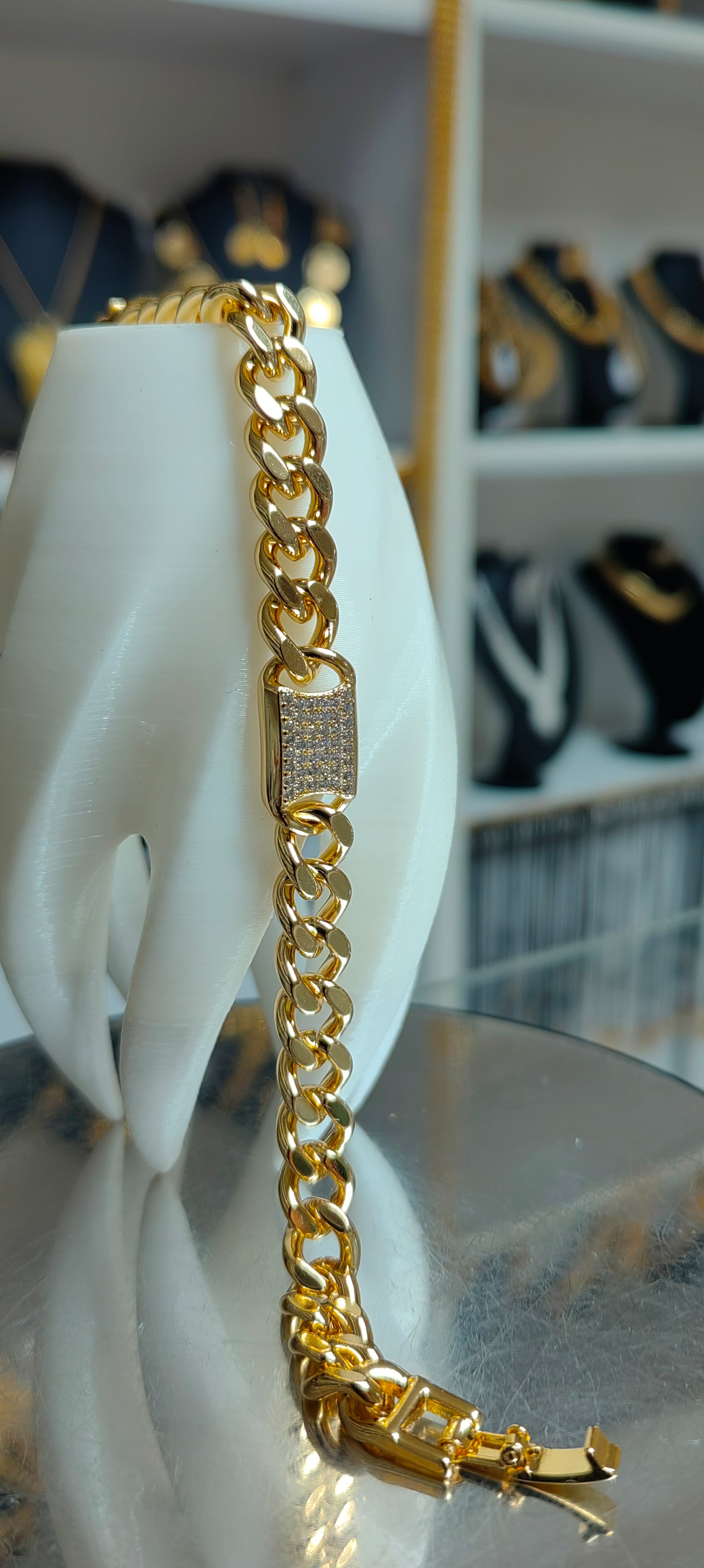
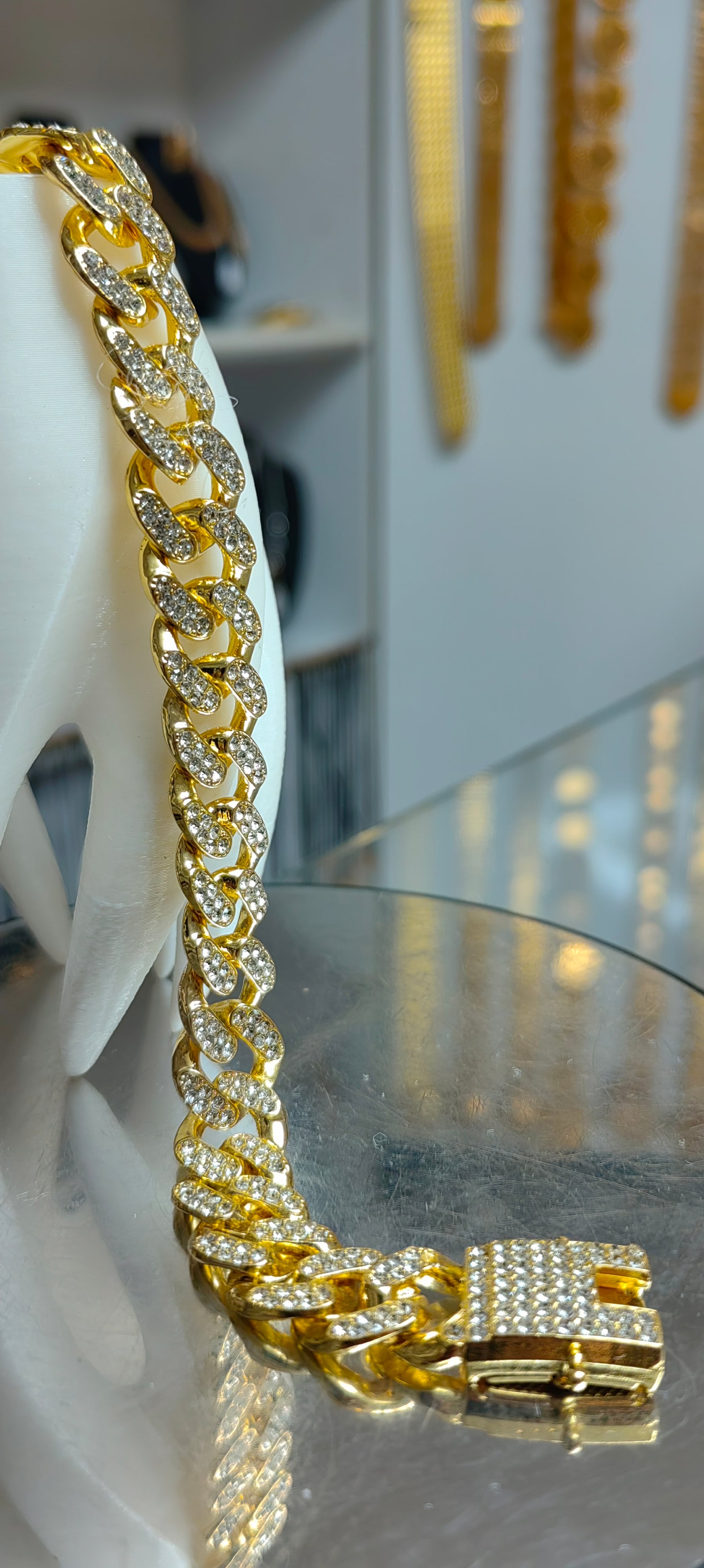
First, let's clarify the concept of imitation stone types rings. These rings are produced by manufacturers using materials inspired by the optical properties and aesthetic appeal of precious stones like natural diamonds, rubies, and emeralds. However, their purpose is not to be "imitation," but to offer creativity and accessibility. In 2026, these rings do not possess the physical properties such as hardness or rarity of real stones, but they offer their sparkle and color richness at much more affordable prices. Moreover, in my store, I feature a wide collection of imitation stone types rings so that my customers can experience a different style every day. With these collections, you too can create your own style.
In addition, this product range allows you to save an average of 90% on the cost of real stones, making them even more attractive.
How to Distinguish Imitation Stones from Real Stones?
Making this distinction is not as difficult as it seems. In fact, one of the simplest methods is thermal conductivity. While natural stones generally heat up more slowly, imitations like glass or resin feel warmer more quickly. On the other hand, another practical tip is to look for flaws. Natural stones contain small inclusions inside, while factory-made imitation stones have nearly flawless clarity. In conclusion, of course, the most reliable method is to consult a gemologist. However, in daily use, even these simple observations will give you an idea. Therefore, as an ordinary consumer, you can easily apply these techniques.
What Is the Place of Imitation in Fashion History?
Imitation jewelry is not a new trend but a deeply rooted tradition. In fact, even during the time of the Egyptian Pharaohs, jewelry made of glass and ceramics replaced precious stones. In the 18th century, it became a craze in the European aristocracy with Strass crystals. Today, unlike the fast fashion trend, especially imitation stone types ring models are seen as a key to creating a lasting and personal style. Thus, this historical process shows us that the value of jewelry lies not only in its material but in the meaning it carries and the confidence it gives to the wearer. Moreover, thanks to online jewelry stores today, it is very easy to bring this historical heritage into your home.
"A good imitation stone does not trap light inside; it breaks it like a prism and reflects it back to the eye in an appealing way. The secret lies in the quality of the cut." – Experienced Jewelry Designer
What Are the Most Preferred Imitation Stone Types in 2026?
When I examine the 2026 collections, I clearly observe that certain stone types stand out. Knowing these stones, each catering to a different style and need, is the first step in choosing the right imitation stone types ring for you. Therefore, here are the stars of 2026:
- Cubic Zirconia (CZ): The most popular alternative to diamond. Thanks to its high refractive index, it offers magnificent fire (color play) and brilliance. In diamond-cut models especially, it is quite difficult to distinguish from the real one. Its durability (Mohs hardness ~8.5) is also ideal for daily use.
- Crystal (e.g., Swarovski): A special type of glass containing lead oxide. It is famous for its perfect clarity and sharp light reflections. Colored crystals provide vibrant and deep color saturation. It gives an elegant and relatively luxurious feel to those seeking imitation stone types rings.
- Rhinestone: Usually glued onto a foil-coated or colored backing. It offers a sparkling appearance at an affordable cost. Commonly used in costume jewelry and trendy pieces.