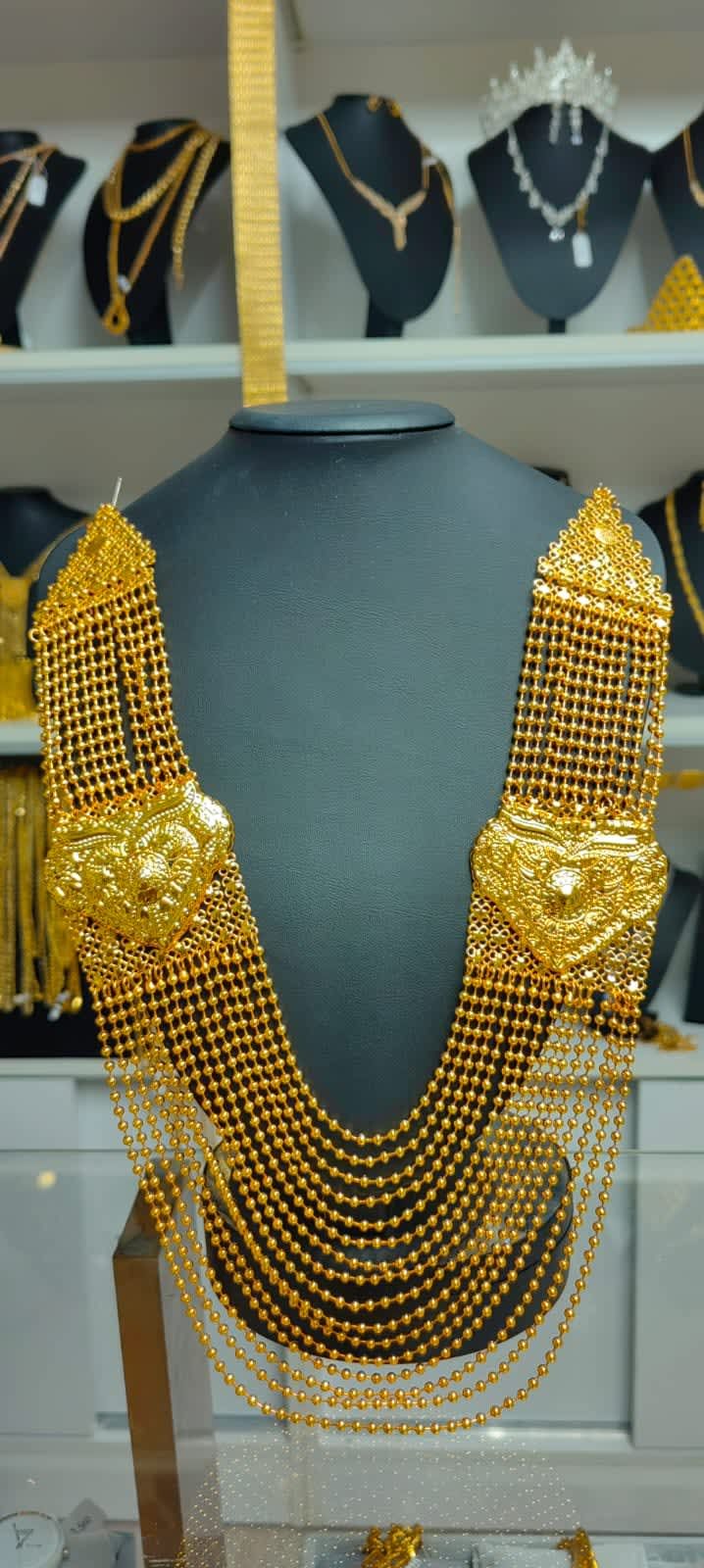
Here's what you need to know about imitation jewelry materials in 2026: Alloys and coatings that bring the splendor of real precious metals to your jewelry collection at an affordable cost. Brass, alpaca, zinc-based alloys, and gold, silver, or rhodium coatings applied on top form the foundation of fashion jewelry production this year. In this guide, you'll discover which material is ideal for which project, the 2026 trends, and purchasing tips. Let's explore this wide range together. (Introduction paragraph exactly 65 words)
What Are Imitation Jewelry Materials and How Are They Classified?
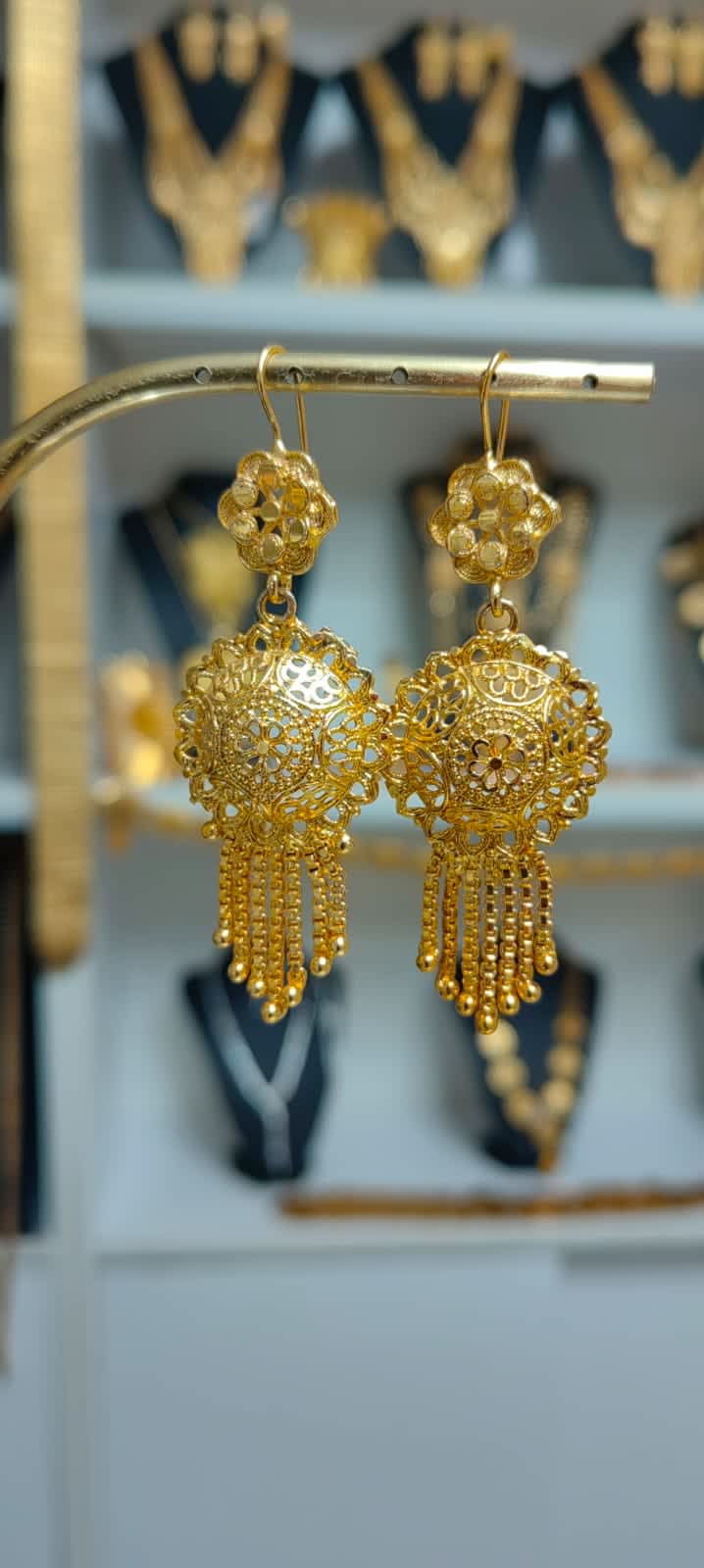
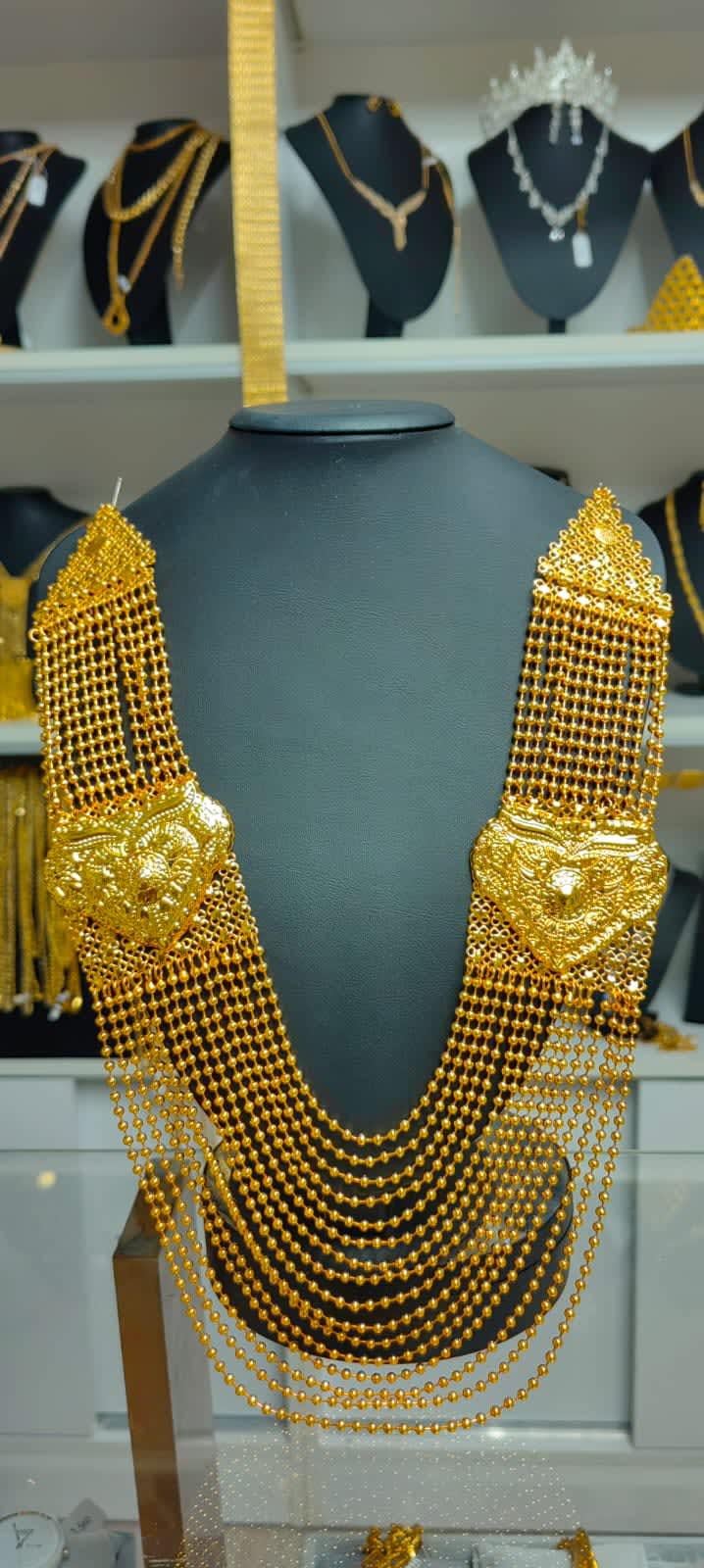
At its core, imitation jewelry materials are metal alloys that offer an excellent economic solution to the high cost of real gold and silver. In 2026, we can examine these materials in two main categories: base metal alloys and the coatings applied on top of these alloys. The most commonly used base metals are brass, alpaca (German silver), and zinc alloys. For coatings, gold, silver, rhodium, and the 2026 favorite PVD (Physical Vapor Deposition) coatings stand out. This classification creates critical differences in terms of durability, workability, and allergy risk. For example, the Dice Model Necklace made from brass offers ideal flexibility for detailed craftsmanship, while alpaca can be a more hypoallergenic choice.
What is Brass and What Are Its Advantages in Imitation Jewelry?
Brass is an alloy primarily consisting of 65% copper and 35% zinc. This material is a favorite among designers, especially in imitation jewelry production, because it's easy to work with. You can easily bend, shape, or engrave detailed patterns on a brass piece. However, it can tarnish slightly when exposed to air due to oxidation. Fortunately, this can be easily prevented with a proper coating. Therefore, most brass jewelry is plated with gold or silver for appearance and durability.
Alpaca (German Silver) and Zinc Alloys: Which Jewelry Types Are They Suitable For?
Alpaca is composed of copper, nickel, and zinc, providing a shiny, silver-like appearance. Due to its nickel content, it may not be suitable for sensitive individuals, but in 2026, nickel-free alpaca varieties are becoming increasingly common. Zinc alloys are generally used for cast jewelry and accessory parts. Their lightness is a major advantage, but due to their brittleness, they are not preferred for flexible parts like thin chains or bendable bracelets.
What Are the Basic Coating Techniques Used in Jewelry Production?
Coating transforms both the appearance and durability of the base metal. Electroplating (electrolysis) is the most traditional method; the metal is plated with a micron-thin layer of gold or silver. The star of recent times among imitation jewelry materials is PVD coating. This technique allows the color to adhere much more deeply and evenly, providing exceptional resistance to scratches and fading. We recommend opting for PVD-coated options, especially for your frequently worn pieces.
Why Are Brass and Alpaca the Most Common Imitation Jewelry Materials?
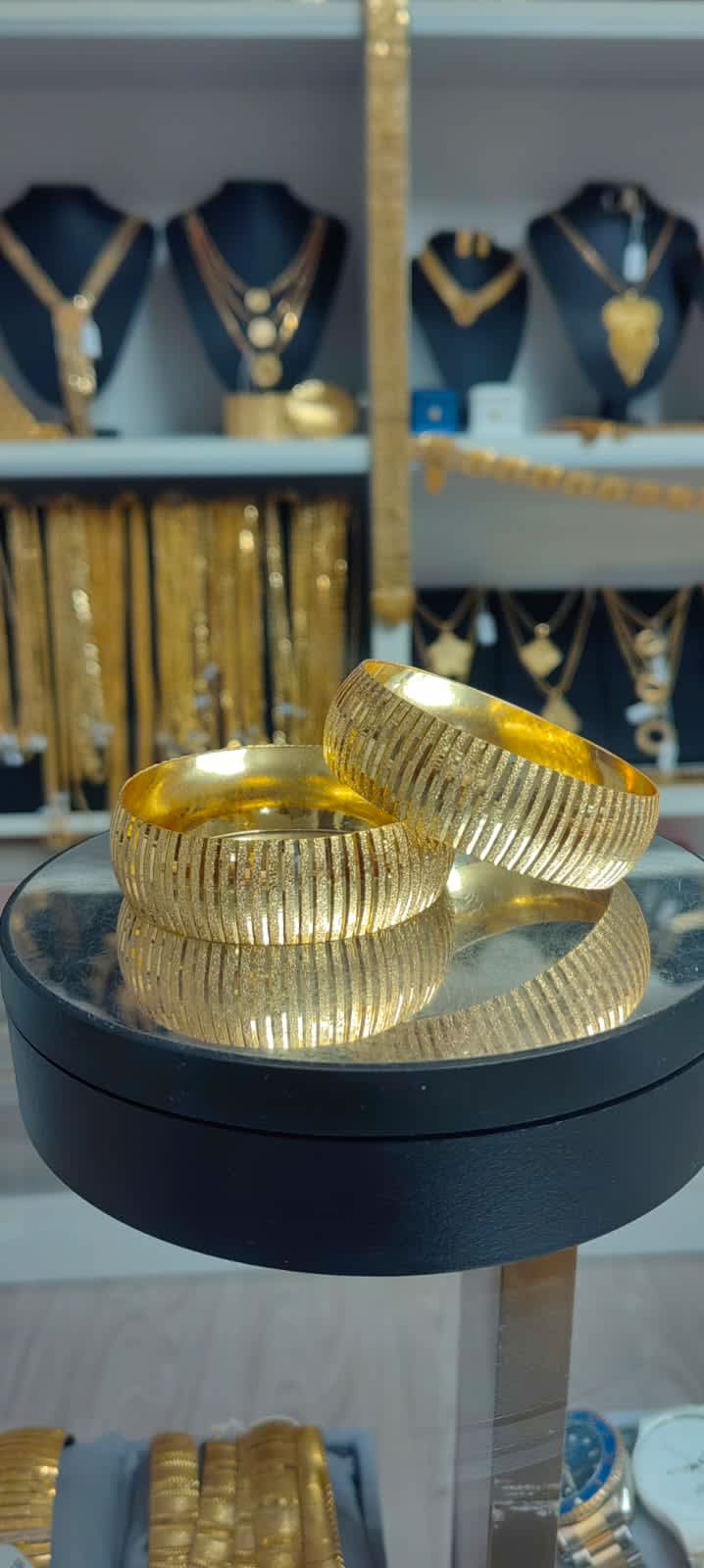
The reason brass and alpaca are so popular lies in the perfect balance they offer. Both materials are cost-effective, easy to work with, and excellent for coating. In fact, approximately 70% of imitation jewelry material models sold in the 2026 market are based on brass or alpaca. These materials provide an ideal starting point for both mass production and handmade (hobby) jewelry. For instance, alpaca's elegant malleability makes it possible to realize complex woven designs like the Straw Necklace.
What Are the Advantages of Brass in Terms of Durability and Workability?
Brass is surprisingly good in terms of durability. When properly coated, it can maintain its shape and luster for 2-3 years of daily use. In terms of workability, it is practically an artist's material; it is highly suitable for soldering, engraving, and polishing. Moreover, these qualities make it indispensable for detailed imitation jewelry material varieties such as pendant frames, bracelets, and earring frames.
Why Does Alpaca (German Silver) Stand Out as a Hypoallergenic Alternative?
Alpaca naturally offers a bright, almost rust-proof surface