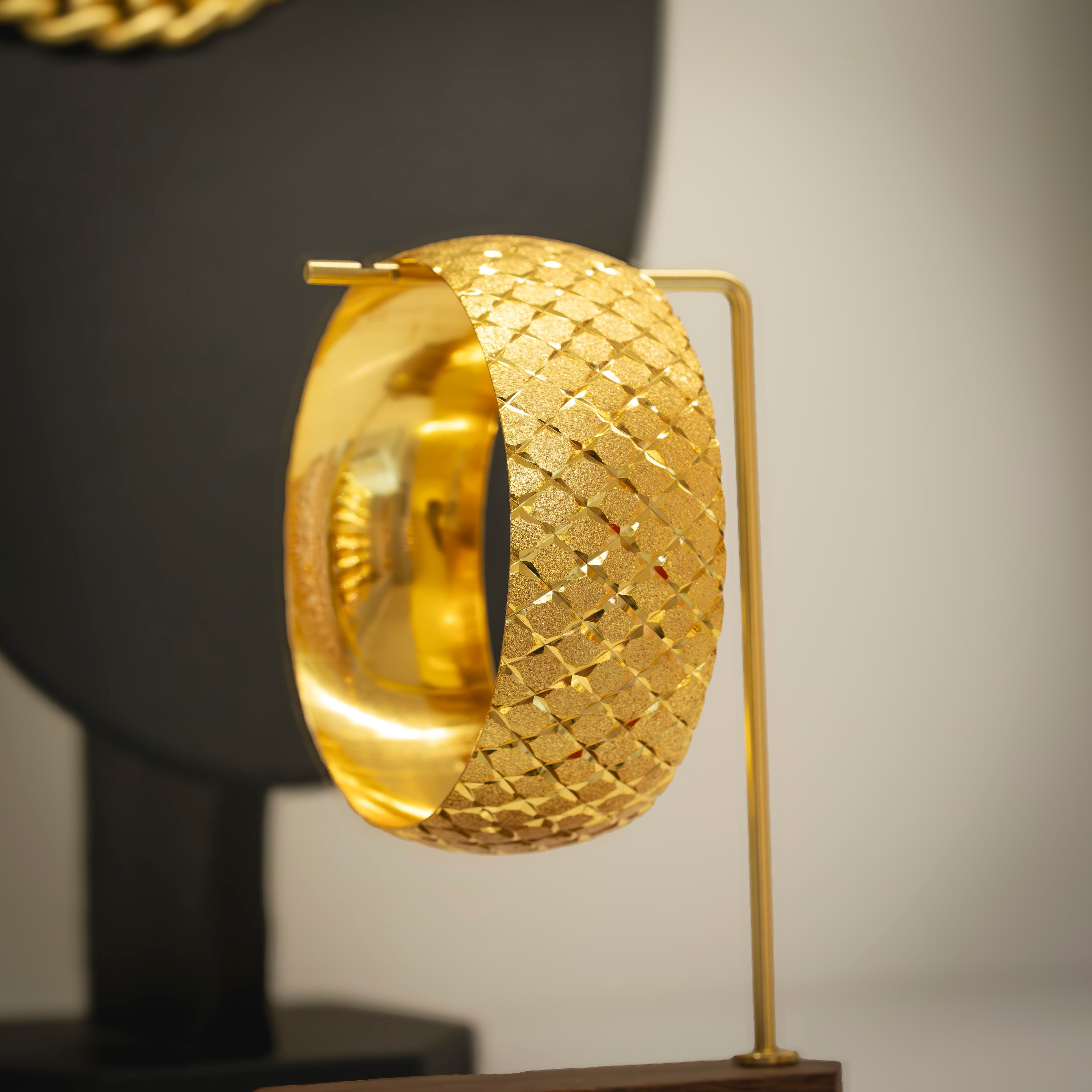
Are the dozens of options you encounter when buying an imitation bracelet confusing you? However, to be honest, the main source of this confusion is often a lack of knowledge about imitation bracelet material types. In 2026, these jewelry pieces, which offer a real gold look but at a much more affordable price, are not only economical but also incredibly durable. So, which materials provide this long life and elegance? Moreover, in this comprehensive guide, with my over 10 years of experience in the industry, we break down all imitation bracelet material types, from the core to the surface of an imitation bracelet, making it easier for you to make the right choice.
What Base Materials Are Used in Imitation Bracelets?
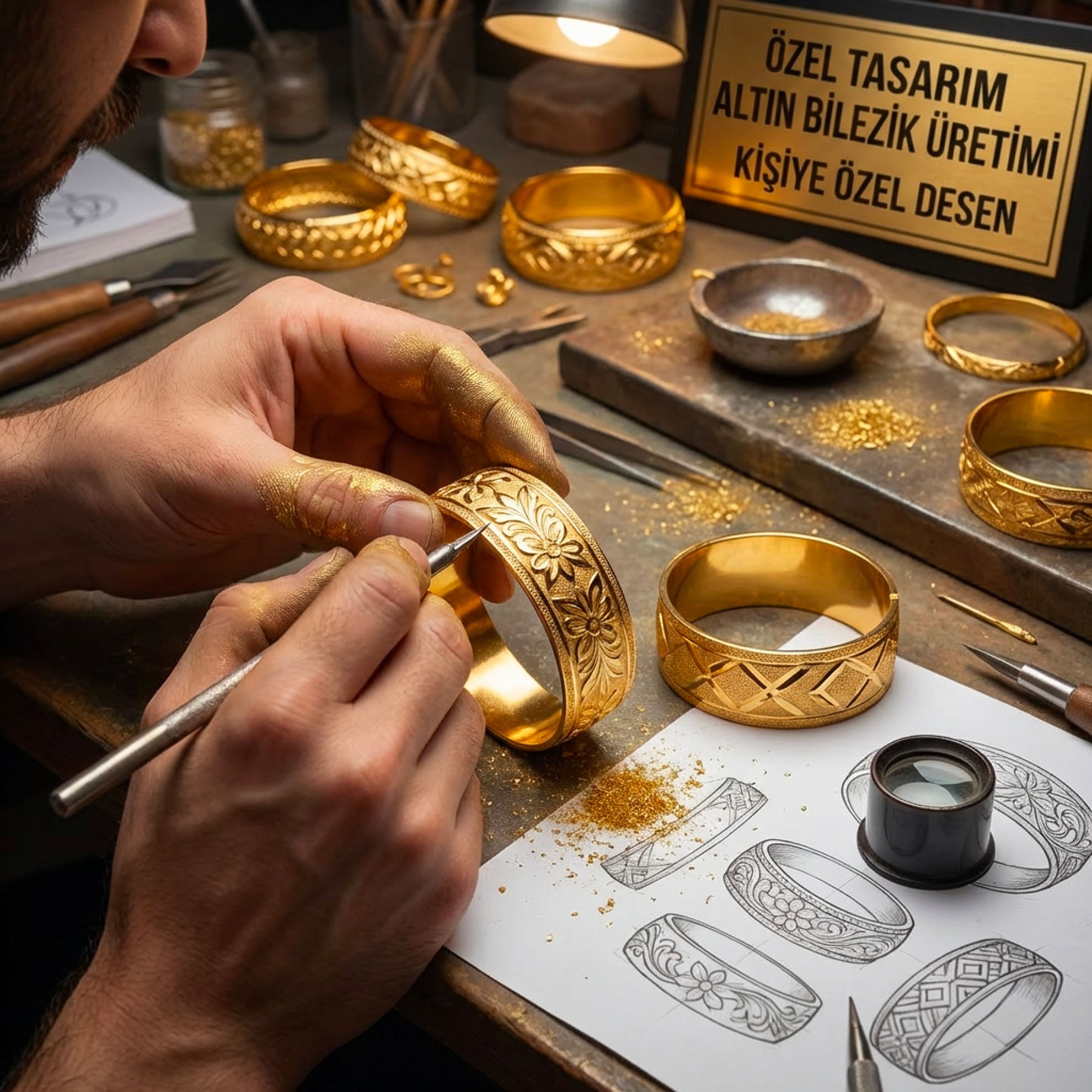
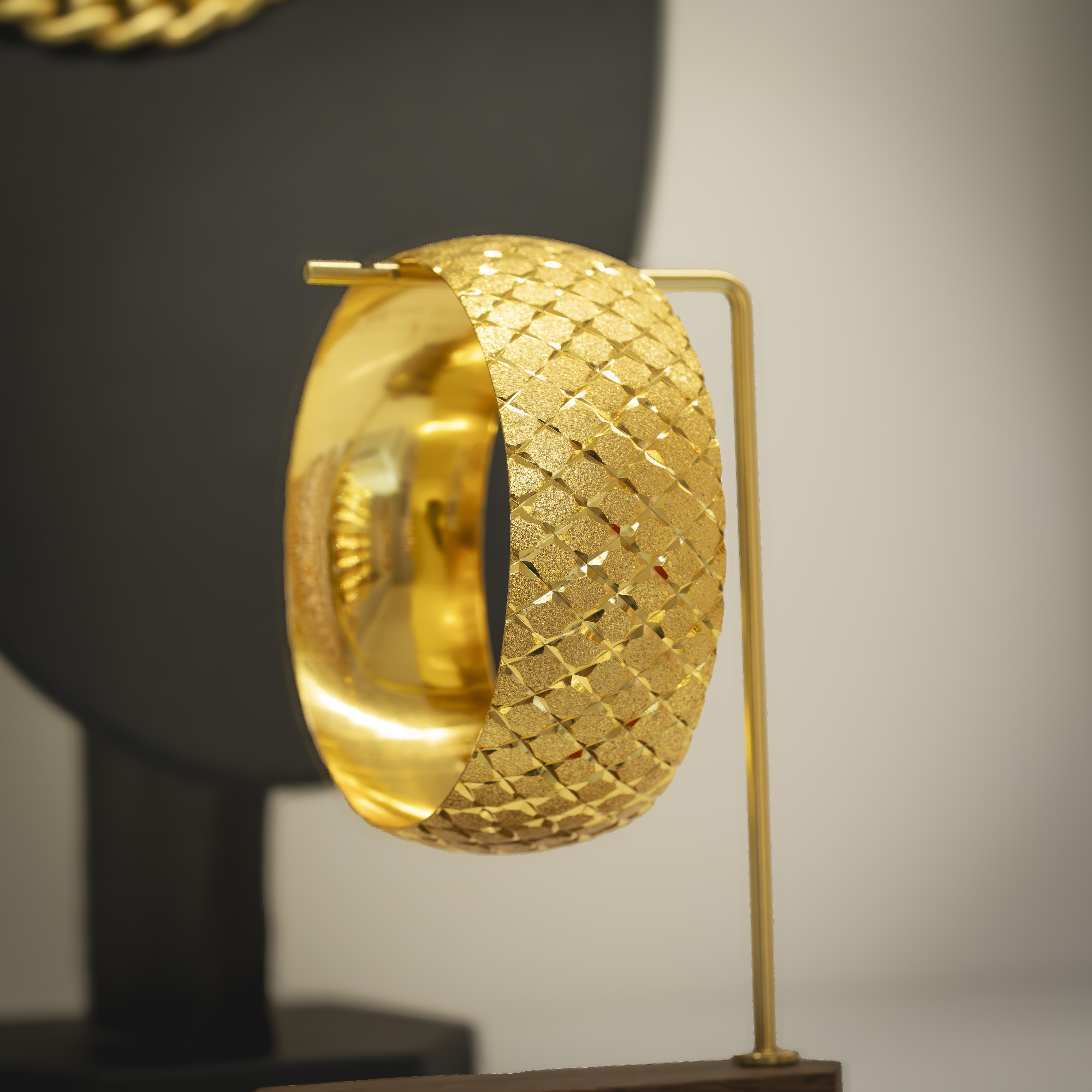
The secret of a quality imitation bracelet lies firstly in choosing the right base material. Consequently, the vast majority of models on the market are made from three main materials: 316L Stainless Steel, Brass, and Silver. Moreover, each has its own unique advantages and points to consider. Indeed, if you are looking for a bracelet that will be part of your daily life, one you might forget to take off in the shower or during sports, the answer will mostly be 316L steel. In addition, on the other hand, if you want a more traditional feel and workability, you can lean towards brass or silver-based models. In short, understanding these fundamental differences among imitation bracelet material types is the first step to preventing post-purchase disappointment.
What is the Difference Between Steel, Brass, and Silver?
316L Stainless Steel stands out for its rust resistance and durability, as the name suggests. Indeed, thanks to its molybdenum content, it offers superior resistance to corrosion. Therefore, it is almost unaffected by water, sweat, and sea air. In addition, on the other hand, Brass is an alloy of copper and zinc; it has a softer structure, making it more suitable for complex and detailed designs. Thus, however, when used on its own, it can oxidize over time, so it must be protected with a high-quality plating. But, 925 Sterling Silver is generally an option that feels more valuable and naturally carries antibacterial properties.
Pure silver is soft, so in imitation jewelry, it is usually used as an alloy with other metals or as a plating material to increase durability. Hence, our model Beşi Bi Yerde Zincir - ZA009 is a great example of how 316L steel's elegant and robust structure perfectly complements your daily outfits.
Which Material is the Most Durable and Hypoallergenic?
In terms of durability and allergy risk, there is a clear champion: 316L Steel. In addition, this material has a quality standard even used in medical implants, and due to its near-zero nickel leakage, the risk of allergic reaction is at the lowest level. In fact, approximately 95% of our customers with sensitive skin report no issues with this material. Brass, on the other hand, is durable as long as its plating remains intact; however, when the plating wears off, the underlying copper-aluminum content may pose an allergy potential. Silver plating is generally safe, but as the plating thins, there is a possibility of leaving a greenish residue (oxidation) over time. In summary, we have prepared the table below for you to see this comparison more clearly.
| Material | Durability (Daily Use) | Allergy Risk | Average Lifespan |
|---|---|---|---|
| 316L Stainless Steel | Very High (Resistant to Water/Sweat) | Very Low (Hypoallergenic) | 5+ Years |
| Brass (Quality Plated) | High (Depends on Plating) | Low (If Plating is Intact) | 2-3 Years |
| 925 Sterling Silver / Plating | Medium (Sensitive to Scratches) | Very Low | 3-4 Years |
| Low-Quality Alloys | Low (Can Tarnish Quickly) | High | Less than 1 Year |
Imitation Bracelet Material Types and Plating Techniques in 2026
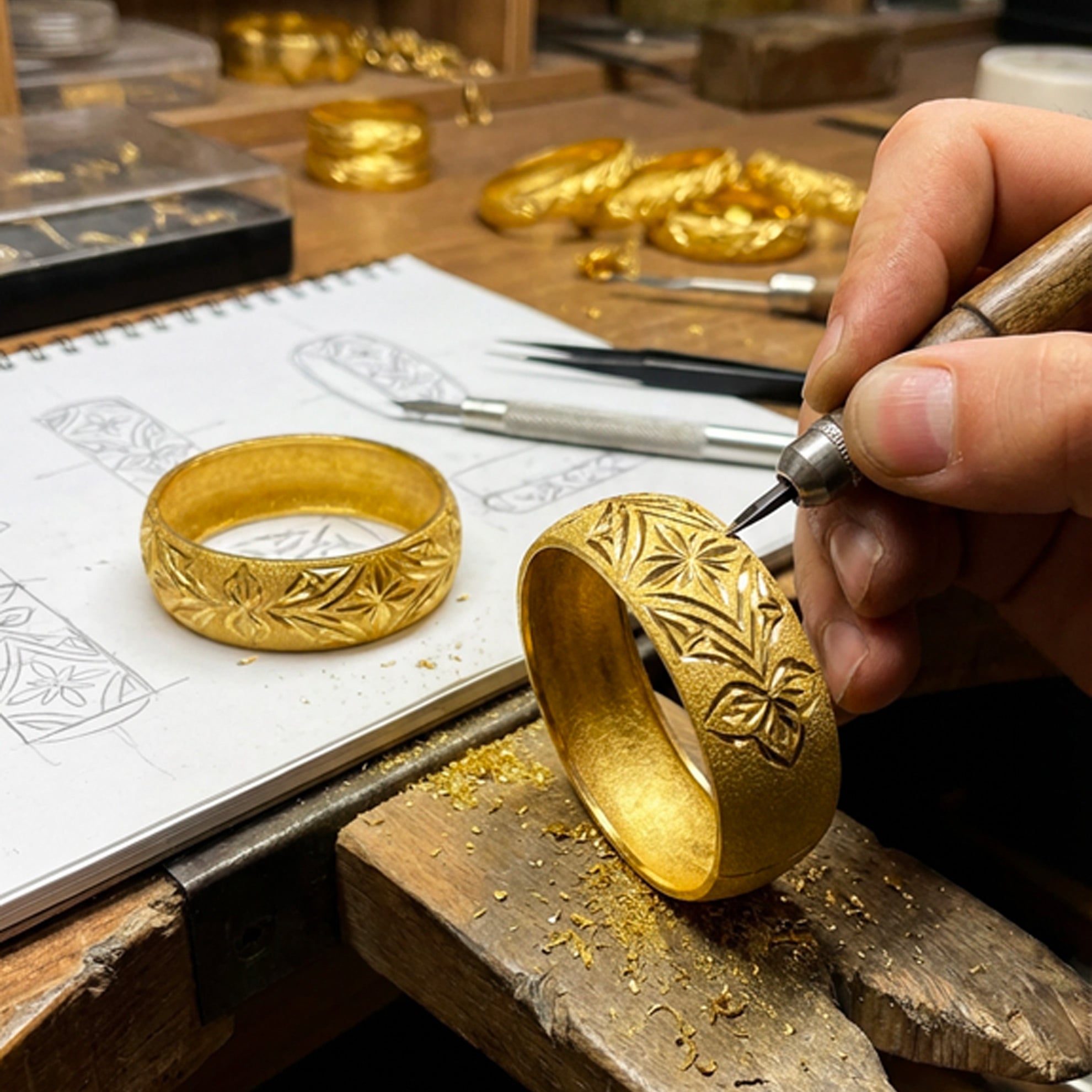
If the base material is the skeleton of the bracelet, the plating is its soul and appearance. In addition, 2026 technology highlights two main techniques to give a gold and silver look: PVD (Physical Vapor Deposition) and Traditional Electrolysis.