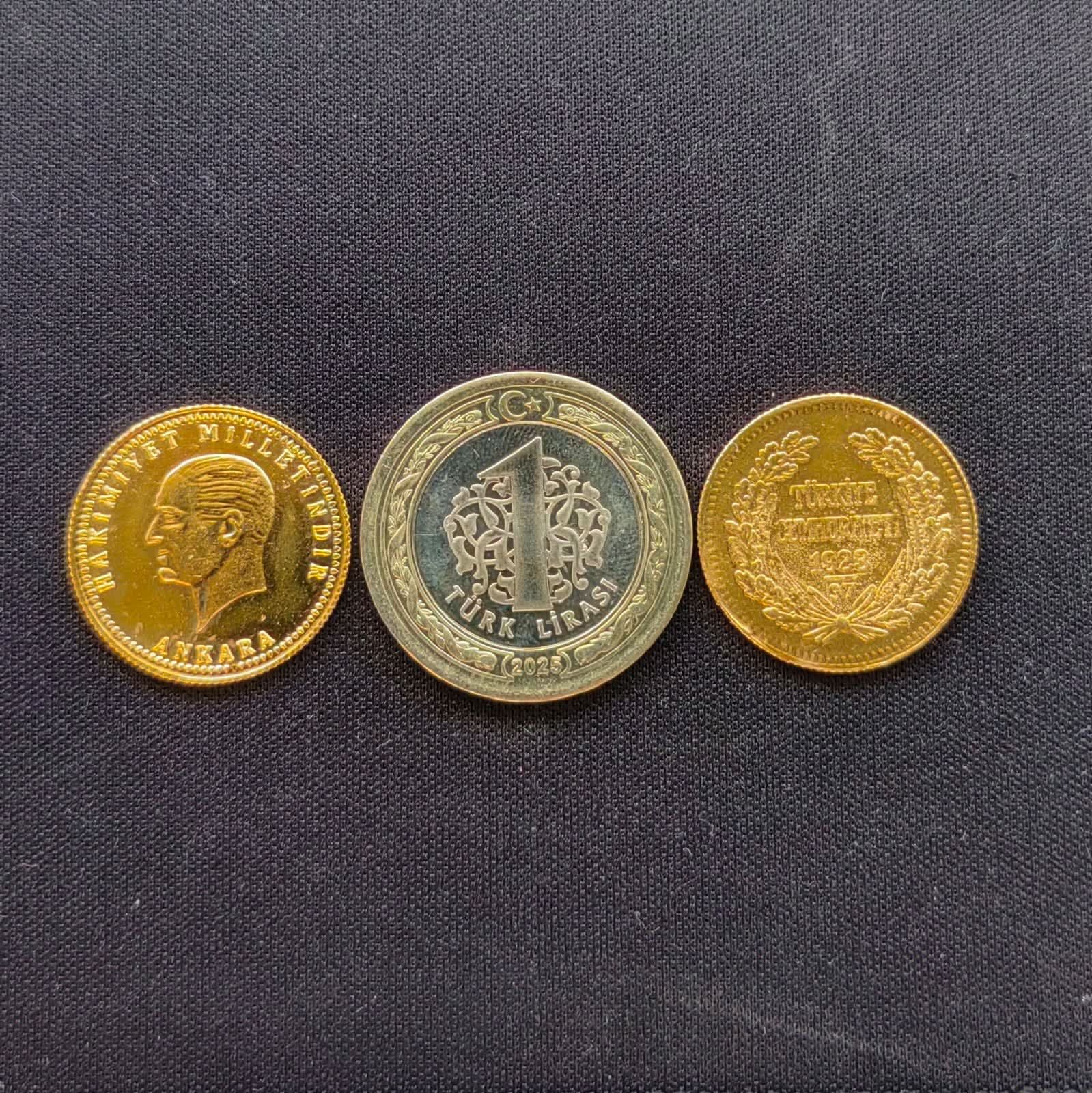
Recently, I met up with a friend I hadn't seen in a long time. With that, she was wearing a sparkling imitation Ata Lira necklace hanging around her neck, and the conversation immediately turned to it. On the other hand, "It's eye-catching and doesn't break my budget," she said with a smile. In conclusion, this simple sentence actually sums up why such jewelry is so popular in 2026. Moreover, these necklaces, which present Ottoman and Republican-era lira designs with a modern twist, are not just an accessory but also a means of personal expression with their historical depth. Therefore, if you're considering adding this stylish piece, which is both economical and emotionally valuable, to your collection, you're in the right place.
Imitation Ata Lira Necklace: Historical Origins and Symbolic Value Today
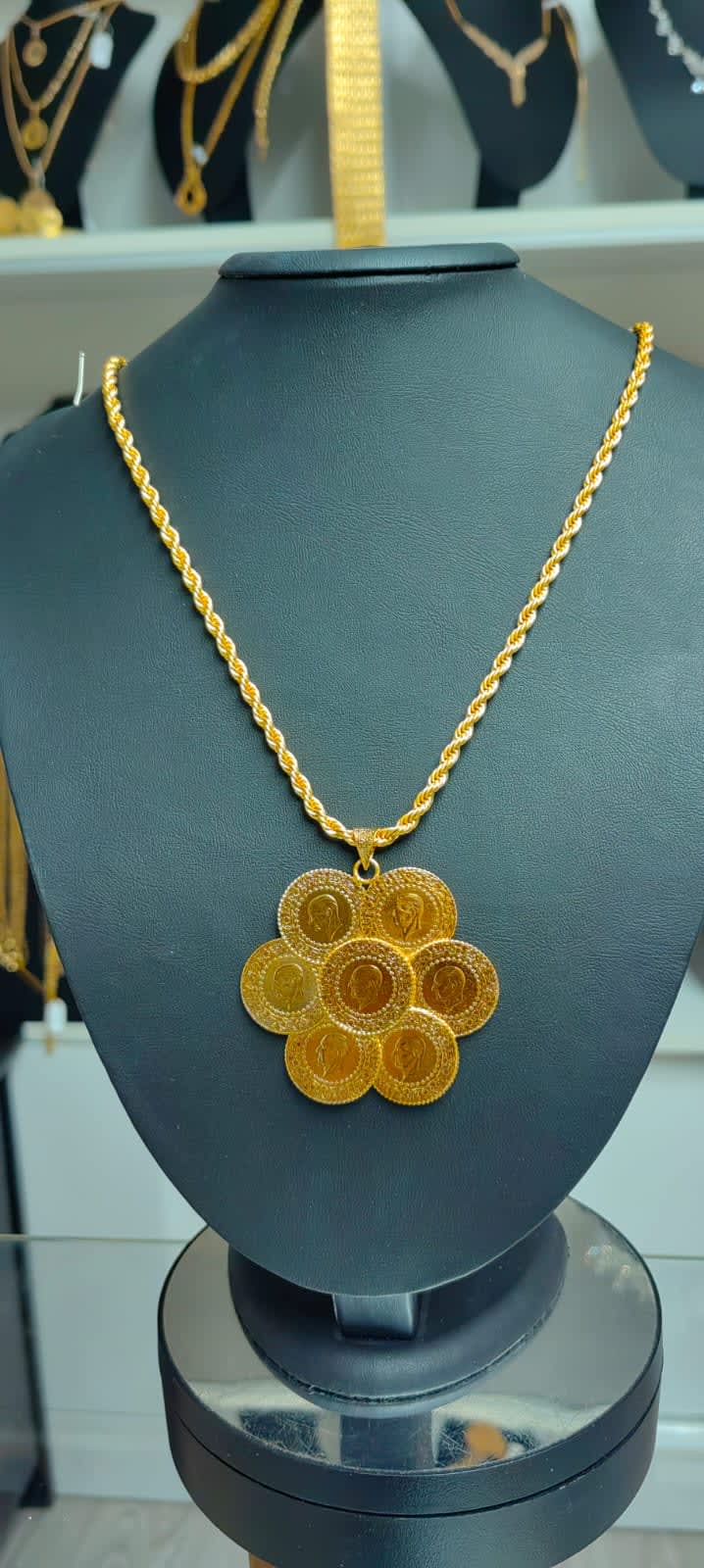
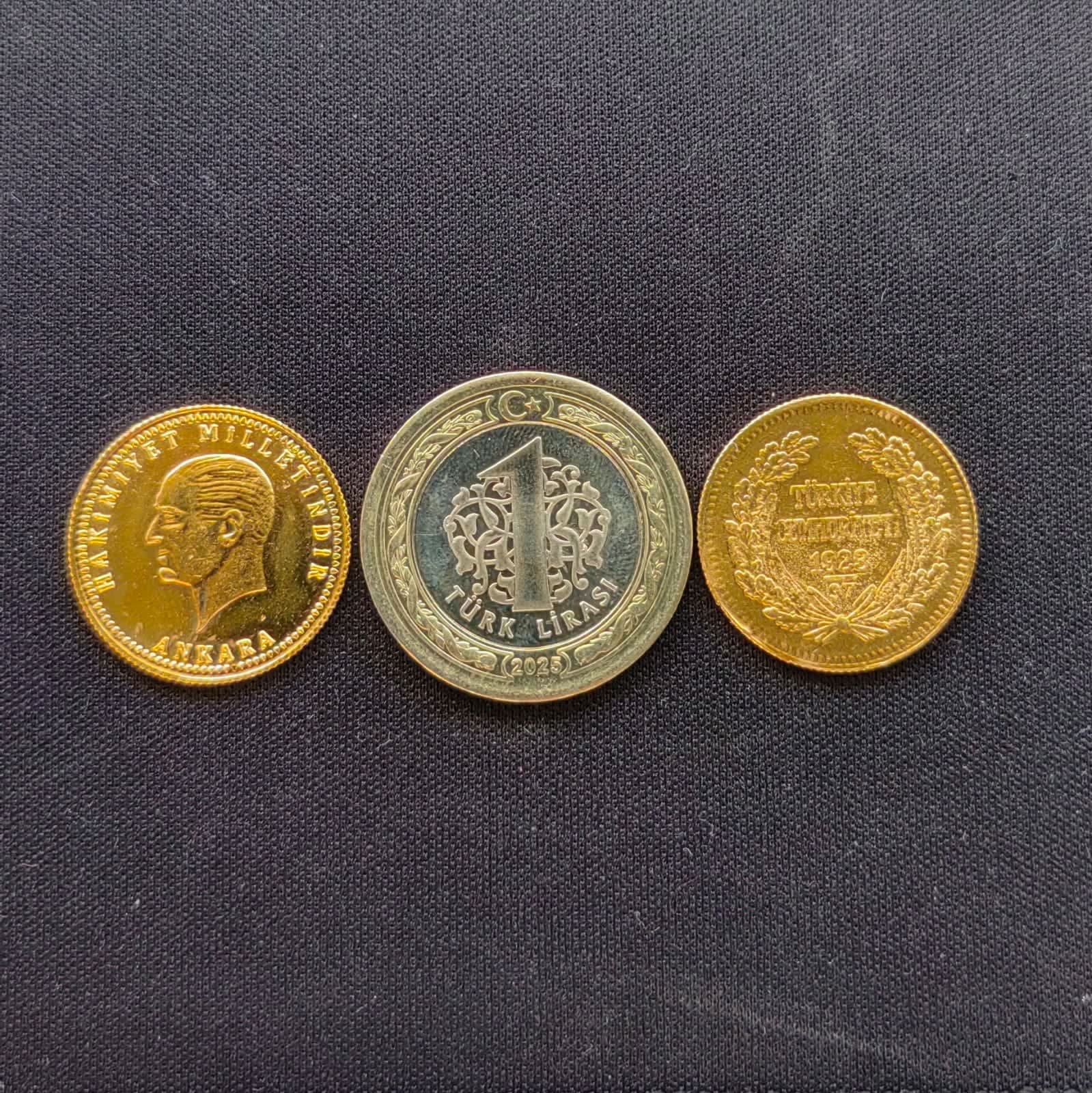
The appeal of an imitation Ata Lira necklace primarily comes from the roots of the motif it carries. Moreover, the Ata Lira holds a special place in our country's economic and cultural memory. Indeed, these necklaces are typically produced with gold plating applied to durable metals like brass or steel. In addition, they allow you to carry that historical aura without the heavy cost of the real thing. Thus, their popularity is skyrocketing in 2026. We can say they are experiencing a golden age, especially among younger generations who want to form an emotional connection.
What Is the Origin and Symbolism of the Ata Lira Motif?
Ata Lira motifs are generally inspired by Ottoman-era "Sultani" gold coins or liras minted in the early years of the Republic. In fact, these motifs represent not just a currency but also sovereignty, independence, and cultural heritage. As an expert puts it:
"The Ata Lira motifs used in jewelry are an elegant gateway to our collective memory, beyond their material value. However, imitation versions democratize this heritage, making it accessible to everyone."A necklace carrying this symbolism embodies the following meanings:
- Heritage and Continuity: Builds a personal bridge between the past and the present.
- Luck and Abundance: Carries the positive energy traditionally associated with gold.
- National Sentiment: Represents personal value attributed to a historical object.
What Is the Place of the Ata Lira Necklace in Imitation Jewelry Culture?
The imitation jewelry sector is indispensable for those who want to follow fashion at an affordable price. However, within this culture, imitation Ata Lira necklace varieties hold a unique position. Besides, why? In short, unlike other fashion jewelry, it offers a lasting classic, not a temporary trend. That is, it appeals to both vintage lovers and those seeking minimal interpretations that adapt to modern style. So, buying an imitation Ata Lira necklace means making a timeless investment. With that being said, when choosing such a necklace, I recommend focusing not only on appearance but also on production quality. Also, an inexpensive product can be disappointing in terms of both look and durability.
Which Imitation Ata Lira Chain Variants and Types Are Trendy in 2026?
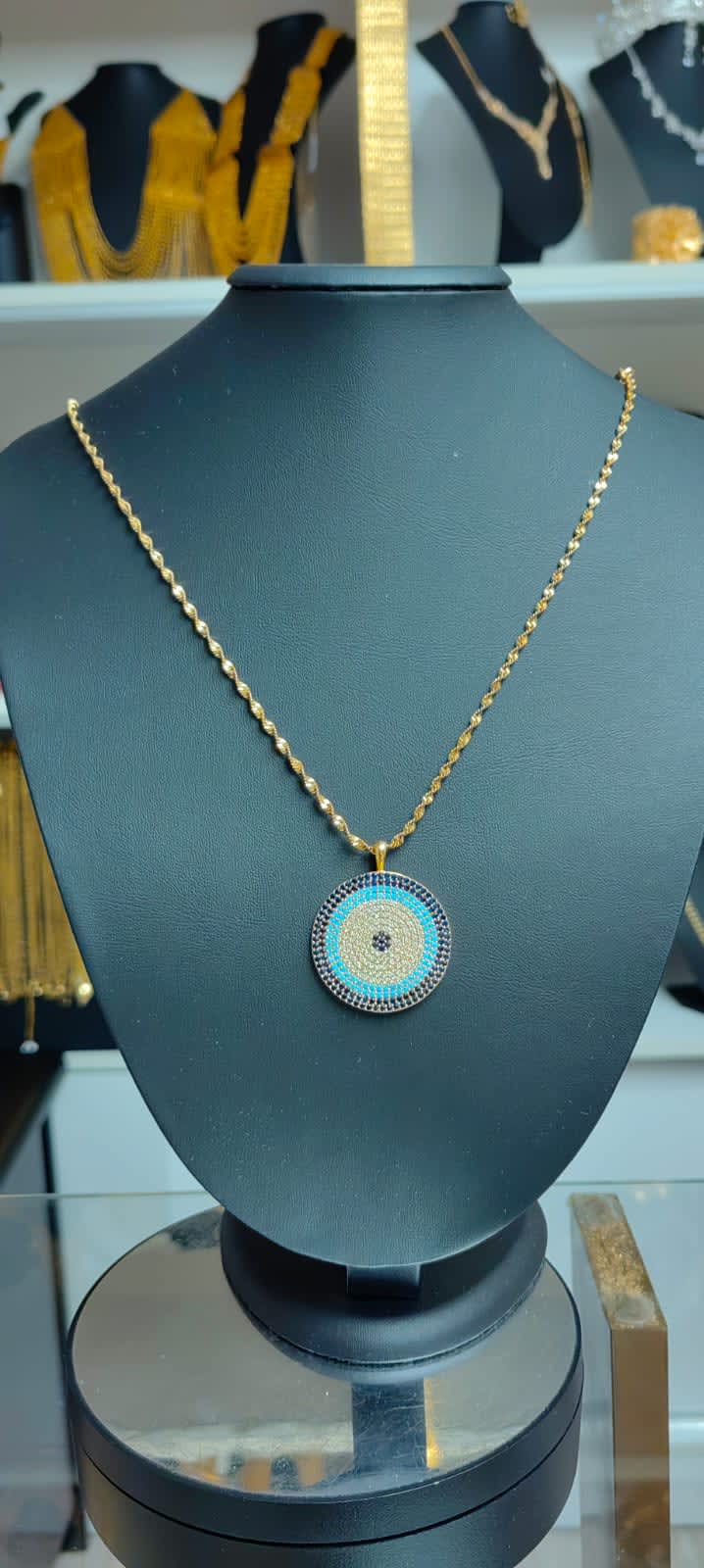
In the 2026 season, imitation Ata Lira necklace models offer incredible variety. In summary, alongside classic yellow gold plating, rose gold and white gold tones are also very popular. Especially combinations with evil eye beads, zircon stones, or small tughra engravings create a complete style even when worn alone. However, choosing the right model is key to reflecting your personal style. Therefore, if you're looking for an eye-catching piece, here are the trends for 2026.
What Are the Differences Between Classic and Modern Designs?
Classic designs focus on faithfully reflecting the original lira details. However, edge inscriptions, tughras, and dates are prominent. In summary, modern interpretations simplify these motifs. Because they transform them into more abstract forms or combine them with different materials. For example, a small lira pendant hanging from a minimalist chain is perfect for daily wear. On the other hand, models like the Dice Model Necklace - ZKLA010 combine the lira motif with a contemporary geometric understanding, offering a different approach.