Hypoallergenic gold plated jewellery UK refers to accessories that use a skin-safe base metal beneath a real gold coating, which lowers the risk of contact dermatitis. Because British shoppers with sensitive skin look for pieces that mimic solid gold, this guide explains safe materials, plating quality and buying advice. You will also learn how to clean and store these items.
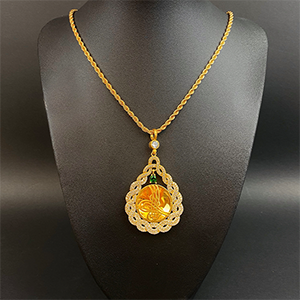
- Nickel is one of the most common causes of allergic contact dermatitis in the UK.
- A thicker layer of gold plating, measured in microns, reduces the release of nickel from the base metal.
- The term hypoallergenic is not tightly regulated for jewellery in the United Kingdom.
- Dermatologists recommend checking the base metal underneath the plating before buying gold plated jewellery.
Table of Contents
- What Does Hypoallergenic Mean in UK Jewellery?
- Why Does Some Gold Plated Jewellery Irritate Sensitive Skin?
- What Makes a Piece Truly Hypoallergenic?
- Which Hypoallergenic Gold Plated Jewellery Styles Do UK Shoppers Prefer?
- How Should You Clean and Store Hypoallergenic Gold Plated Jewellery UK?
- Where Can You Buy Hypoallergenic Gold Plated Jewellery UK Online?
- Frequently Asked Questions
Before you spend anything, it is worth understanding what separates a piece that stays comfortable from one that leaves a red mark, and Mad Gold sets out those differences clearly for anyone shopping with reactive skin.
What Does Hypoallergenic Mean in UK Jewellery?
In UK jewellery, hypoallergenic means a piece has a low allergy potential, usually because it avoids nickel or uses a protective barrier beneath the plating.
Although the term is not strictly regulated for jewellery in the United Kingdom, British buyers meet it on many product labels. Hypoallergenic normally means the piece has no nickel or uses a barrier layer between the skin and the base metal. That barrier matters because nickel is one of the leading causes of allergic contact dermatitis.
If you see a British seller describe a necklace as hypoallergenic, ask which metal actually touches your skin. Many fashion brands still hide a brass core that contains a small amount of nickel. This hidden metal can appear after the coating wears away. Mad Gold, a growing imitation-gold store, labels its categories clearly so shoppers can choose necklaces, earrings or bracelets with confidence.
Avoid unclear terms such as 'allergy tested' unless the shop provides precise details. Reliable UK retailers show the metal under the gold and recommend a trial period. If you have ever reacted to a cheap pendant, searching for hypoallergenic gold plated jewellery UK is the safer route for your collection.
Why Does Some Gold Plated Jewellery Irritate Sensitive Skin?
Some gold plated jewellery irritates sensitive skin because nickel in the base metal or in the plating alloy reaches the skin when the coating is thin or damaged.
Nickel is widespread in costume jewellery and can trigger redness, swelling and itching. In the UK, dermatologists treat many adults for nickel allergy every year. Gold plating is not automatically a complete barrier; over time, daily wear and moisture wear down a very thin layer.
Once the protective plating fades, sweat dissolves nickel ions from the base metal. These ions enter the epidermis and cause an inflammatory response in sensitised people. Standard gold plated pieces may lack a thick enough coating, which is why you should look for a hypoallergenic alternative rather than a purely decorative one.
For delicate skin, a 14k or 18k gold outer layer is usually safer than unknown alloy coatings. However, the base metal still matters. A skin-safe core such as surgical stainless steel or nickel-free brass reduces the risk of reactions, especially in close-fitting rings and huggie earrings.
What Makes a Piece Truly Hypoallergenic?
A piece is truly hypoallergenic when the outer gold layer is thick enough and the base metal beneath it is nickel-free or sealed with a protective coat.
Three features decide allergy safety: base material, plating thickness and surface finish. A gold layer measured in microns stays intact longer than a nanometre layer. For example, gold plated jewellery with 1 micron or more offers better protection against wear and sweat.
Surgical stainless steel, titanium and certain silver alloys are common bases for hypoallergenic gold plated jewellery. Some manufacturers apply a rhodium or palladium barrier under the gold. These metals act as a shield and stop nickel from reaching the skin, which is useful for pierced ears and bare wrists.
Online product pages should state the gold thickness and the metal underneath. If you are browsing from home, follow the same rule you would in any UK boutique: read the specification, look at the clasp and test the piece on a small skin area for a few days.
Which Hypoallergenic Gold Plated Jewellery Styles Do UK Shoppers Prefer?
UK shoppers prefer hypoallergenic gold plated jewellery in classic chains, bangles and stud earrings because these pieces sit close to the skin and need safe contact.
Necklaces and bracelets are among the most searched types of hypoallergenic gold plated jewellery UK. British shoppers want layers that feel light but still keep a warm gold tone. A smooth chain surface reduces friction and prevents tiny scratches that might expose the base metal.
Earrings also require extra care for pierced ears. If a base metal releases nickel, the lobe can become sore or swollen. Choose posts labelled nickel-free, or use pieces with a thicker coating such as those shown in a dedicated earring collection.
Bangles and cuffs are popular because they can be worn alone or stacked. Hypoallergenic gold plated designs suit both office outfits and weekend casual looks. Many UK customers prefer bridal sets, bangles and coin-inspired chains from an imitation gold shop that focuses on comfort.
How Should You Clean and Store Hypoallergenic Gold Plated Jewellery UK?
You should clean hypoallergenic gold plated jewellery UK with warm water, mild soap and a soft cloth, then dry it completely and store it separately.
The plating protects the base, but it is not indestructible. Perfume, hairspray and chlorine can attack a thin gold layer and reveal the core. The best habit is to put on jewellery after applying cosmetics and remove it before swimming or exercising.
Wash the piece with lukewarm water and a tiny drop of mild dish soap. Use a microfibre cloth and wipe gently in one direction. Avoid jewellery dips that contain ammonia, as they can remove the bright finish from any hypoallergenic gold plated jewellery UK piece.
Store each item in a separate pouch or a sealed bag to keep out air and dust. This also prevents chains from tangling. With simple daily care, a plated design bought in 2026 can stay shiny for several years, making it a budget-friendly option for sensitive-skin wearers.
Where Can You Buy Hypoallergenic Gold Plated Jewellery UK Online?
You can buy hypoallergenic gold plated jewellery UK online from dedicated fashion jewellery shops that state their materials clearly and offer secure UK delivery.
Online stores in the UK make it easy to compare materials, plating thickness and customer reviews. The store page should explain whether nickel is present and how to return the item. Established categories give a clear picture of ring sizes, necklace lengths and bangle widths.
If you want a fashion-forward look without the price of solid gold, visit the Mad Gold website or browse the online store. You will find gold plated necklaces, gold plated earrings and bracelets created to imitate traditional ornaments. These designs keep the same rich colour while giving sensitive customers a gentler alternative.
The return policy is your final safety net. If you wear a metal for a few hours and notice redness, remove it and contact the shop. A trustworthy retailer will support you, proving that hypoallergenic gold plated jewellery UK is a smart choice for daily dressing.
If you would rather test the waters with a single piece first, gold plated necklaces are the gentlest place to start, because they sit against the neck rather than the hands and wrists that get washed and knocked all day.
Frequently Asked Questions
Is gold plated jewellery hypoallergenic?
Not automatically. The gold layer rarely causes allergies, but the base metal may still contain nickel. A piece can be called hypoallergenic only if the core is nickel-free and the coating is strong enough to prevent metal release.
What does hypoallergenic mean in UK jewellery?
It means the item is designed to reduce allergy risk, usually by avoiding nickel or by adding a protective barrier. The term is not fully regulated for jewellery in the UK, so you should always check the material list.
Can I wear gold plated jewellery if I have sensitive skin?
Yes, if the jewellery has a nickel-free base and a durable plating. Test the piece on a small area first, keep the back of the metal clean and remove it if any redness or itching appears.
How long does hypoallergenic gold plated jewellery last?
With careful use, quality plating can last one to three years before needing professional re-plating. Thicker plating, fewer chemicals and regular cleaning all extend the lifespan.
What is the difference between gold plated and gold filled in the UK?
Gold filled has a much thicker layer of gold that is mechanically bonded, so it is more durable and safer for sensitive skin. Gold plated uses a thin electroplated layer and needs more careful handling.
Read the base metal before you buy
Open the product page for any piece you are considering and check which base metal sits under the gold plating, since that hidden layer, not the gold itself, is usually what triggers a reaction.
See more