Layering gold plated necklaces means wearing two or more complementary chains of different lengths to create a single, intentional look. This affordable styling technique adds depth to any neckline and is easy to master with a few simple rules.
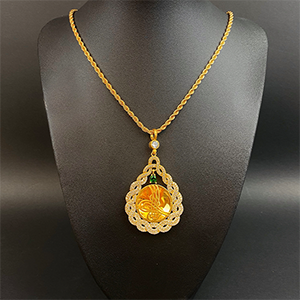
- A spacing of two to four inches between necklace lengths is a standard stylist guideline for visible layering.
- Choker-length necklaces of 16 inches are commonly used as the top layer in a three-necklace arrangement.
- Gold plated jewellery should be wiped with a soft dry cloth after each wear to preserve the plating.
Table of Contents
Before you add a third chain, decide where you want the eye to land, because every one of our styling tips starts with that single choice.
Why Layer Gold Plated Necklaces?
Layering gold plated necklaces creates depth and personal style while remaining budget-friendly.
Gold plated necklaces give you the warm gleam of gold without the high price. Layering several pieces together makes the overall look seem much more expensive than what each one costs on its own. That's why layering is such an affordable way to bring more interest to simple outfits. You can put together a look that feels personal and shows your style.
Layering also solves the problem of choosing one necklace over another. Instead of leaving pieces in a drawer, you can wear them together in a harmonious arrangement. The technique works with chains, pendants and even chokers. It gives every piece more opportunities to be seen and enjoyed.
Finally, layered necklaces flatter many necklines. They work with crew necks, V-necks and collared shirts. The trick is to create balance rather than clutter. Once you understand the basic proportions, you will feel confident mixing pieces from different sets.
Choose the Right Chain Lengths for Balance
The foundation of successful layering is combining at least three different chain lengths so each necklace sits at its own level.
Necklace length is the most important factor in layering. A standard rule is to choose pieces that differ by two to four inches. This spacing prevents tangling and ensures each chain remains visible. For example, pair a 16-inch choker with a 20-inch princess necklace and a 26-inch matinee piece.
When you buy gold plated necklaces from a single collection, check the product descriptions for exact lengths. Many brands design sets specifically for layering, but individual pieces work just as well. You do not need to match metals perfectly; gold tones vary slightly and that adds character. What matters is the vertical rhythm of the chains.
If you are tall or prefer a bolder look, add a long 32-inch chain. Shorter necklaces suit petite frames better. The goal is to have each chain fall naturally without bunching. Test your arrangement in front of a mirror and adjust the spacing until the eye moves smoothly from neckline to chest.
Mix Textures and Thicknesses for Visual Interest
Combining different chain styles, like cable, rope and box chains, prevents layered necklaces from looking flat or monotonous.
Gold plated necklaces come in many textures, from smooth snake chains to intricate curb chains. Mixing these styles adds dimension to your look. A delicate cable chain can be paired with a chunky rope chain and a fine wheat chain. This contrast makes each piece stand out instead of melting into one another.
Thickness matters as well. If all your chains are ultra-thin, they may disappear against a dark top. If they are all thick, the result can feel heavy. Aim for one chunky piece, one medium-weight chain and one delicate strand. This creates a subtle hierarchy that feels curated rather than chaotic.
You can also play with finishes. Polished gold gives a bright, reflective shine, while hammered or matte textures absorb light. Mixing finishes adds depth that photographs well. Many gold plated collections include both glossy and textured options, so you can pair them without worry.
Balance Pendants and Focal Points
When layering necklaces with pendants, choose one focal point and keep other chains simple to avoid overcrowding.
Pendants draw attention, so use them thoughtfully. If you want to feature a statement pendant, wear it on a shorter or medium chain and keep the other layers plain. This ensures the eye rests on the pendant rather than competing with multiple charms. A single pendant in the centre of the arrangement works best.
For a more eclectic look, you can layer two pendants at different lengths. The key is to make sure they do not overlap awkwardly. Choose pendants of different sizes and let the smaller one sit higher or lower. Also, consider the shape; a coin pendant pairs well with a bar pendant, while two large discs might look busy.
Gold plated jewellery with zircon stones adds sparkle without dominating. A small zircon pendant can sit above a plain chain, creating a delicate focal point. Remember that the neckline influences pendant placement. On a V-neck, let the pendant fall inside the V; on a crew neck, keep it above the collar for a clean finish.
Care and Maintenance for Layered Gold Plated Necklaces
To keep layered gold plated necklaces tangle-free and shiny, store them separately and wipe them after each wear.
Gold plated layers may tangle when stored in a pile. Use a jewellery box with individual slots or hang each necklace separately. Another option is to thread chains through a straw or use a layering clasp. These small habits protect the plating and save you time before dressing.
Contact with perfume, sweat and lotion can dull the gold finish. Always put your necklaces on after applying cosmetics and remove them before showering or exercising. Wipe them with a soft, dry cloth after each wear to remove oils. For an occasional deeper clean, use warm water and mild soap, then dry thoroughly.
Layered necklaces are more exposed to friction because they move against each other. Check the clasps and links regularly for signs of wear. If you notice flaking, remove that piece from the rotation and consider replacing it. With proper care, gold plated necklaces can last for many seasons, making layering a smart addition to your jewellery collection.
Common Layering Mistakes and How to Avoid Them
Most layering problems come from ignoring length spacing, mixing too many bold pieces, or forgetting to consider the neckline.
One common mistake is wearing chains of the same length. This makes them pile up at the same spot, creating a bulky knot. Avoid this by measuring your chains before wearing. Place the shortest at the top and longest at the bottom. If you are unsure, start with a three-necklace arrangement.
Another error is crowding the neckline with too many heavy pendants. When every layer shouts for attention, the overall effect feels messy. Instead, let one piece lead and allow others to support it. Also, avoid mixing too many metallic finishes in one look. Stick to similar gold tones for a cohesive appearance.
Finally, do not forget the outfit itself. A busy patterned top may clash with a layered necklace arrangement, while a simple solid colour lets chains shine. Layering is meant to enhance the neckline, not fight with it. With a little trial and error, you will find a combination that feels effortlessly put together.
Once you know which lengths flatter your neckline, the simplest way to test the formula on your own skin is to shop gold plated necklaces in a few widths and hold them up together in the mirror.
Frequently Asked Questions
How many necklaces should I layer together?
Three is the most flattering number for most people. Two can look simple, four adds a bolder street-style vibe, but three gives a balanced and intentional finish. Start with three and adjust based on your neckline and outfit.
Can I layer gold plated necklaces with real gold?
Yes, you can layer gold plated pieces with solid gold, as long as the tones are similar. Remember that real gold is softer and more valuable, so check for rubbing between chains. To protect both, choose a plated piece with a smooth finish and avoid rough edges.
What necklace lengths are best for layering?
A typical layered look uses a 16-inch choker, a 20-inch princess necklace and a 24-inch matinee chain. If you prefer longer layers, swap the matinee for a 30-inch piece. The key is to create clear vertical spacing of 2 to 4 inches between each chain.
How do I stop my layered necklaces from tangling?
Use a magnetic clasp or a jewellery connector designed for layering. Store each necklace separately and fasten them before taking them off. When wearing, choose chains with different textures to reduce sliding. Removing them carefully after an evening out prevents knots.
Test Your Layering Before You Commit
Take a shorter chain and a longer one you already own, wear them together over a plain solid top, and photograph the result so you can see whether the spacing between them actually works.
See more