Gold plated jewellery is a base metal — usually brass, copper or steel — coated with a thin layer of gold. Pieces described as non-tarnish are built so that both the coating and the metal beneath resist discolouration. In the UK, damp weather, central heating and daily wear all test that promise, so plating thickness, base metal and aftercare decide whether a piece stays bright.
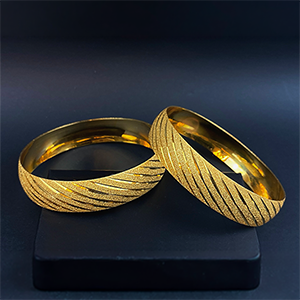
- Gold plating thickness is measured in microns, and much budget jewellery carries only 0.2 to 0.5 microns of gold over a brass or copper core.
- Vermeil is defined as at least 2.5 microns of gold plating over sterling silver, making it the most durable of the plated jewellery categories.
- In the UK, online purchases fall under the Consumer Rights Act 2015, so goods must be of satisfactory quality and match their description.
- Nickel release from items in prolonged skin contact is restricted under UK REACH, which is why nickel-free claims matter for buyers with sensitive skin.
Table of Contents
- What does 'non-tarnish' gold plated jewellery actually mean?
- Why some gold plated jewellery tarnishes within weeks
- Which plating thicknesses and finishes last longest?
- How to care for gold plated jewellery in the UK climate
- What to check before buying gold plated jewellery online
- Choosing pieces that hold up to everyday wear
- Frequently Asked Questions
Because "gold plated" covers everything from a whisper-thin flash to a heavy, durable coating, the most reliable starting point is to compare several gold plated jewellery collections side by side and read carefully how each one describes its base metal and its plating.
What does 'non-tarnish' gold plated jewellery actually mean?
Non-tarnish gold plated jewellery is engineered so the gold layer and the base metal beneath it resist the chemical reactions that cause dulling, discolouration and green or black marks on the skin.
Tarnish does not come from the gold itself. Pure gold is inert, which is why solid gold keeps its colour for decades. Discolouration appears when the metals under the plating — usually brass, copper or a silver alloy — react with sulphur, oxygen, sweat and cosmetics.
Pieces sold as non-tarnish normally combine three things: a corrosion-resistant base metal, a thicker gold layer, and a protective top coat. E-coating and PVD finishes seal the surface, so moisture and skin oils reach the metal far more slowly.
It pays to be precise about the wording. No plated piece is literally immune to tarnish forever. The honest promise is that it resists tarnish during normal wear and does not discolour within weeks of purchase.
That distinction matters when you compare prices online, because two listings can both say 'non-tarnish' while one carries ten times more gold than the other.
Why some gold plated jewellery tarnishes within weeks
Plating wears fastest where it is thinnest, so pieces with less than 0.5 micron of gold, a reactive brass core or no protective coating usually discolour within weeks of daily wear.
Plating thickness is measured in microns and is the single strongest predictor of how a piece ages. Many budget items carry only 0.2 to 0.5 microns of gold, thin enough that friction, sweat and cleaning remove it quickly.
The base metal matters just as much. Brass and copper are inexpensive and easy to shape, but they oxidise readily. Stainless steel resists corrosion far better, which is why it is common in jewellery made for daily wear.
Coatings are the third variable. An anti-tarnish e-coat or a PVD layer adds a barrier between your skin and the gold. Without one, perfume, sunscreen, chlorine and hand cream sit directly on the plating and speed up wear.
Fit also plays a part. Rings on the dominant hand, bracelets worn against a watch and chains that rub against a collarbone all lose their coating faster at the contact points.
Which plating thicknesses and finishes last longest?
For regular UK wear, look for at least 1 micron of 18K gold plating over stainless steel or brass, ideally finished with a PVD or e-coat layer.
As a rough guide, 1 micron of gold plating suits occasional wear, 2 to 3 microns stands up to regular use, and vermeil — at least 2.5 microns of gold over sterling silver — is the most durable of the plated categories.
The karat of the plating changes colour more than durability. 18K plating gives the warm yellow tone most UK buyers associate with gold, 14K is slightly paler and harder, and 24K is intensely yellow but too soft for plating.
PVD coating is applied in a vacuum chamber and is harder than traditional electroplating. It is widely used on watches and on jewellery that sits against the skin all day, and it resists scratching and skin oils well.
When you compare products, ask for two numbers: the micron thickness and the coating type. A seller who can quote both is usually working to a specification rather than a marketing line.
How to care for gold plated jewellery in the UK climate
Keeping gold plated jewellery dry and putting it on after perfume, moisturiser and hairspray is the simplest way to slow tarnish in the UK's damp, centrally heated homes.
The order in which you get dressed matters more than any cleaning product. Apply perfume, deodorant, moisturiser and hairspray first, let them dry completely, then put your jewellery on. Take it off before showering, swimming, washing up or exercising.
Water alone is not the main problem; what is dissolved in it is. Chlorine in swimming pools, salt in seawater and detergents in washing-up bowls all attack both the plating and the base metal underneath.
Storage matters too. Keep each piece in its own dry pouch or lined compartment, because items that rub together wear each other's coating. A quick wipe with a soft dry cloth after wearing removes skin oils before they set.
Avoid silver polishing cloths and liquid dips, which are formulated for sterling silver and will strip a thin gold layer. Ultrasonic cleaners are also risky, as vibration can lift plating around soldered joints and stone settings.
Central heating lowers indoor humidity, but bathrooms and kitchens stay damp. Storing jewellery away from those rooms, and never leaving it on a windowsill or radiator, keeps the metal more stable.
What to check before buying gold plated jewellery online
A trustworthy listing states the base metal, the plating thickness in microns and the coating type, and offers a clear returns policy if a piece discolours unusually quickly.
A short specification tells you more than any product photo. Look for the base metal, the micron thickness, the karat of the plating, the coating type and whether the item is described as nickel-free.
Five details are worth checking before you pay:
- Base metal: stainless steel, brass or copper, stated plainly.
- Plating thickness in microns, not just 'gold plated'.
- Coating type, such as e-coat or PVD.
- A nickel-free claim, which matters for sensitive skin.
- Care instructions and a realistic lifespan estimate.
In the UK, online purchases are covered by the Consumer Rights Act 2015, which requires goods to be of satisfactory quality and to match their description. If a piece is sold as non-tarnish and discolours within a few weeks, that is likely to count as a fault.
Hallmarking rules apply to solid precious metals above set weights, not to plated fashion jewellery. A hallmark is therefore not the test here; the stated specification is.
Heavier, gold-look plated jewellery has become popular in the UK because it echoes the high-shine appearance of solid gold at a fraction of the price. You can browse gold plated bangles and gold plated necklaces to compare plating weights and finishes.
Choosing pieces that hold up to everyday wear
Heavier pieces with fewer moving parts, such as solid bangles, thick chains and stud earrings, tend to keep their plating longer than delicate, high-friction designs.
Design affects longevity as much as specification. A wide bangle that sits still on the wrist rubs less than a fine chain bracelet that catches on sleeves, bag straps and coat cuffs.
For everyday wear, plain bangles, curb chains and stud or huggie earrings are sensible choices. Statement pieces with lots of joints, clasps and dangling elements are better kept for occasions.
Matching sets are a practical option if you want a consistent colour across a necklace and earrings, since pieces made in the same batch usually share the same plating specification. The matching set collection shows how this works in practice.
If you wear gold plated jewellery daily, rotating two or three pieces gives each one time to dry out and reduces the constant friction that wears plating away.
If you wear gold plated bangles every day, taking them off before you shower, swim or clean matters far more than any polishing cloth, because chlorine, soap and perfume strip the gold layer faster than ordinary wear ever will.
Frequently Asked Questions
Does gold plated jewellery tarnish in the UK?
It can, but good quality pieces resist it well. Tarnish comes from the base metal rather than the gold, and the UK's damp weather, central heating and daily exposure to perfume and sunscreen all speed the process up. Plating of 1 micron or more over stainless steel, finished with a PVD or e-coat layer, is the most reliable combination.
How long does gold plated jewellery last?
With occasional wear and careful storage, 1 micron plating can last a year or more, while heavier 2 to 3 micron plating over stainless steel often lasts several years. Constant wear, swimming and cleaning chemicals shorten that considerably.
Is 18K gold plated better than 14K?
18K plating gives a warmer, deeper yellow that looks closer to solid gold, while 14K is slightly paler but marginally harder. Both wear at similar rates, so plating thickness matters more than the karat number.
Can I shower or swim in gold plated jewellery?
It is best avoided. Chlorine and salt water attack both the plating and the base metal, and soap residue dulls the surface. Remove pieces before showering, swimming or washing up.
Why does some gold plated jewellery turn my skin green?
A green mark is usually a reaction between the base metal and your skin's natural acids, not the gold itself. It is more common with copper and brass cores and with thin plating. Nickel-free pieces carrying a protective coating are far less likely to cause it.
Ask Two Questions Before You Buy
Before you add anything to your basket, message the seller and ask what base metal sits under the gold and how thick the plating layer is, then buy only from the sellers who answer you clearly.
See more