Gold plated jewellery for children is jewellery made from a base metal — usually brass, copper or a zinc alloy — covered with a thin layer of gold, typically between 0.5 and 3 microns thick. It gives the look of solid gold at a fraction of the price, which is why it has become a popular choice for UK parents buying first earrings, bangles and christening gifts.
- Under UK REACH, items inserted into pierced ears must not release more than 0.2 micrograms of nickel per square centimetre per week.
- UK hallmarking applies to solid gold items weighing more than 1 gram and does not cover gold plated jewellery.
- Under the Consumer Contracts Regulations, most online jewellery purchases in the UK can be cancelled within 14 days of delivery.
Table of Contents
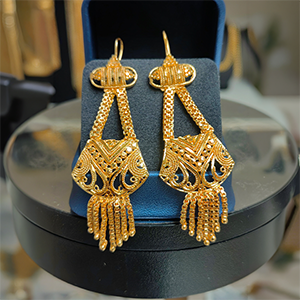
Before you commit to a pair, it is worth browsing Mad Gold imitation jewellery to see which finishes and styles suit the age of your child.
What Is Gold Plated Jewellery for Children?
Gold plated jewellery for children is base metal jewellery coated with a thin layer of gold, usually 0.5 to 3 microns thick, which keeps it affordable while still looking like solid gold.
Gold plating is applied in one of two main ways: electroplating, where an electric current bonds gold to a base metal, or gold vermeil, which uses a sterling silver base covered with at least 2.5 microns of gold. Vermeil is the higher-quality option and usually costs more.
It helps to know the difference between plated, filled and solid gold. Gold filled items contain a much thicker layer of gold bonded to the base metal, so they last considerably longer. Solid gold is the most durable, but a small 9ct gold bangle can cost ten times more than a plated one.
Most children's pieces sold in the UK carry between 0.5 and 1 micron of plating. That is enough for a few months of everyday wear, but not for years of constant use. Plated jewellery is best treated as a fashion item rather than a long-term investment.
Is Gold Plated Jewellery Safe for Children's Skin?
Yes, gold plated jewellery is generally safe for children's skin provided the base metal releases very little nickel and the child does not already have a metal allergy.
Nickel is the metal most likely to cause a reaction, and UK law controls it closely. Under UK REACH, items inserted into pierced ears must not release more than 0.2 micrograms of nickel per square centimetre per week. Other items in prolonged skin contact are limited to 0.5 micrograms.
Reputable sellers test their base metals against these limits and describe pieces as hypoallergenic or nickel safe. Even so, every child reacts differently. A short trial on the wrist or behind the ear for an hour is a sensible first step before full-time wear.
Warning signs include redness, itching, small blisters or a rash exactly where the metal touches the skin. If these appear, remove the item and speak to a pharmacist or GP. Children with eczema or a known nickel allergy may be better with sterling silver or plastic posts.
What Sizes and Styles Suit Children?
As a general rule, necklaces of 30 to 35 cm suit toddlers and 35 to 40 cm suit children aged five to ten, while bangles are chosen by inner diameter rather than by age.
Necklace length matters more than many parents expect. A 30 to 35 cm chain sits high on the collarbone and is harder for a toddler to grab. For children aged five to ten, 35 to 40 cm gives a little more room. Longer styles should always have a breakaway clasp.
Children's bangles are usually described by inner diameter, commonly between 4 cm and 5.5 cm. Measure across the widest part of the hand and choose a size that slips on easily without falling off. Studs and small hoops are the safest earring styles, as drops catch on clothing.
Small parts remain the main risk for children under three, who put everything in their mouths. Earrings, charms and clasps should be firmly fixed, with nothing loose enough to swallow. For this age group, a soft fabric bracelet is often the safer choice.
How Should You Care for Gold Plated Children's Jewellery?
Gold plated children's jewellery lasts longer when it is kept away from water, sweat, perfume and chlorine, and stored dry in a soft pouch after each wear.
Plating wears away through friction and contact with chemicals rather than age alone. Swimming pools, baths and household cleaning products all speed up the process. Encourage children to remove jewellery before swimming, bathing or sport, then wipe each piece with a soft dry cloth afterwards.
Perfume, hairspray, sunscreen and hand sanitiser are common culprits. Let any product dry fully before putting jewellery back on. When pieces are not being worn, keep them in separate compartments or a small fabric pouch so they cannot rub together and scratch.
Expect the gold tone to fade gradually with regular wear, particularly on rings, bangles and anything that rubs against a school desk. Replating is sometimes possible, but on inexpensive items it is usually cheaper to replace. That is the honest trade-off with plated jewellery.
What Should UK Parents Check Before Buying?
UK parents should check the stated plating thickness, the returns policy and whether the seller confirms the item meets UK nickel release limits.
In the UK, hallmarking applies to solid precious metals above set exemption weights — gold items over 1 gram, for instance — so plated jewellery is not hallmarked. This means terms such as 'gold tone' or 'gold finish' are used fairly loosely, and buyers rely on the seller's description.
Under the Consumer Contracts Regulations, most online purchases can be cancelled within 14 days of delivery, and this right applies to gifts too. Check the returns window before ordering, especially for earrings, where hygiene rules may limit returns once packaging is opened.
Ask about the base metal if your child has sensitive skin, and look for a clear statement that the item complies with UK REACH nickel limits. A seller who answers these questions directly is usually a safer choice than one who avoids them.
How Much Does It Cost in the UK?
Children's gold plated jewellery in the UK typically costs between £5 and £40, with stud earrings at the lower end and sets or personalised pieces at the upper end.
Stud earrings are the cheapest entry point, often £5 to £12. Children's bangles generally sit between £10 and £25, while charm necklaces and two-piece sets range from £15 to £40. Personalised pieces with engraving or a birthstone usually add a little more.
Compare that with solid gold, where a small 9ct bangle can start around £80 and rises quickly with weight. Plated jewellery is not a cheaper version of the same product; it is a different product with a shorter lifespan. Setting that expectation early avoids disappointment.
For most families, plated pieces work well for everyday school wear, holiday accessories and gifts while a child's tastes are still changing. If a piece is meant to be kept for years, solid gold or gold filled is the better buy.
Because children lose and outgrow small pieces so quickly, gold plated earrings are a sensible choice for everyday school wear, holiday outfits and birthday gifts.
Frequently Asked Questions
Is gold plated jewellery suitable for a child's first earrings?
For a fresh piercing, most UK piercers recommend surgical steel, titanium or 14ct gold until the piercing heals, which usually takes six to eight weeks. After that, plated studs are normally fine, provided the posts meet UK nickel release limits.
Does gold plated jewellery tarnish?
The base metal underneath can tarnish or discolour over time, especially if it contains copper or brass. The gold layer slows this down but does not stop it. Keeping pieces dry and storing them in a pouch noticeably extends their appearance.
Can children wear gold plated jewellery every day?
Yes, but daily wear speeds up fading, particularly on bangles and rings that rub against surfaces. Removing jewellery for swimming, bathing and sport, and wiping it after wear, helps it last several months rather than a few weeks.
Is gold plated jewellery hallmarked in the UK?
No. UK hallmarking covers solid precious metals above set exemption weights, such as gold items over 1 gram. Gold plated pieces are not hallmarked, so descriptions such as 'gold tone' or 'gold finish' are marketing terms rather than official quality grades.
What is the difference between gold plated and gold filled jewellery?
Gold filled jewellery has a much thicker layer of gold bonded to the base metal, usually at least 5% of the item's total weight. It lasts considerably longer than plating, though it costs more. Plated pieces typically carry 0.5 to 3 microns of gold.
Ask One Question Before You Check Out
Message the seller and ask whether the piece is plated or gold filled, and what metal sits underneath the plating, so you know what your child's skin will actually be in contact with.
See more