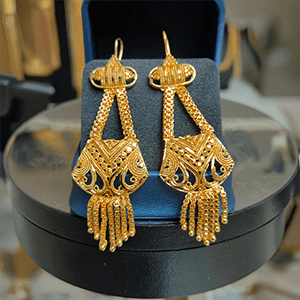
Gold plated hoop earrings are hoop-shaped earrings with a base metal core that has been coated in a thin layer of gold, measured in microns. In the UK they are a popular alternative to solid gold: the warm yellow look at a fraction of the price, with a lifespan that depends almost entirely on plating quality and aftercare.
- UK and EU rules limit nickel release from jewellery in prolonged skin contact to 0.2 micrograms per square centimetre per week.
- Gold plated jewellery sold in the UK is not hallmarked as gold because the gold layer is far too thin to be assayed.
- Most gold plated hoops carry a coating of between 0.5 and 3 microns of gold over a base metal core.
- Plated hoop earrings in the UK typically retail between about £10 and £40 a pair, compared with £80 or more for solid 9ct gold hoops.
Table of Contents
If you like to layer, a delicate gold plated necklace can balance the volume of hoops without competing with their shine.
What Are Gold Plated Hoop Earrings?
Gold plated hoop earrings are hoop-shaped earrings with a base metal core, usually brass, copper or stainless steel, covered by a thin layer of gold.
Plating is applied in a bath where an electric current bonds gold onto the base metal. The thickness of that layer is measured in microns (µm), and it is the single most useful number on a product page. Thicker plating generally means the colour survives longer.
Most high street pairs sit between 0.5 and 3 microns. Anything described only as flash plated or gold tone carries a very thin coating that tends to wear at the edges, where the hoop rubs against hair, collars and hands.
Hoop sizes in the UK are usually quoted in millimetres: 10 mm huggies, 20–35 mm everyday hoops, and 50 mm and above for statement styles. Weight matters too, because hollow tube hoops feel much lighter on the lobe than solid cast hoops of the same diameter.
Gold Plated vs Gold Filled vs Solid Gold
Gold plated pieces carry a thin gold coating over base metal, gold filled items carry a much thicker bonded gold layer, and solid gold hoops are made of gold throughout.
In UK trade practice, gold plated describes a base metal article with a gold coating. It is not the same as rolled gold or gold filled, where a thicker layer of gold is mechanically bonded to the core and typically lasts considerably longer under daily wear.
Solid gold, usually 9ct or 18ct in Britain, has no base metal core and can be submitted for hallmarking at an assay office. Plated jewellery is not hallmarked as gold because the gold content is far too small to be tested in the same way.
Price follows that hierarchy. A plated pair often costs somewhere between £10 and £40, gold filled ranges roughly from £40 to £120, and solid 9ct hoops start near £80 and rise with weight and the prevailing gold price.
Choosing the Right Size and Style
Choose a hoop size that matches how you wear it: 10–15 mm huggies sit close to the lobe, 20–35 mm suits daily wear, and 50 mm or more creates a statement look.
Huggies under 15 mm work well in second and third piercings and rarely catch on scarves, headphones or bike helmets. Mid-size hoops of 20–35 mm are the most versatile choice, sitting neatly between understated and noticeable for work and weekends alike.
Larger hoops of 50–70 mm give a bold silhouette but add real weight. If your lobes dislike pulling, look for a hollow tube design rather than a solid cast hoop, and check the gram weight before you buy.
Finish matters as much as size. Polished plating gives a mirror shine, while twisted, hammered or textured surfaces disguise light scratches better over time. You can compare diameters across our range of gold plated earrings and dorika style hoop earrings to see the difference in scale.
Plating Thickness, Nickel and UK Safety Rules
In the UK, plated earrings must limit nickel release from the parts that touch the skin, and a thicker gold layer resists wear far better than a flash coating.
UK and EU legislation restricts nickel release from items in prolonged skin contact to 0.2 micrograms per square centimetre per week, and piercing components face a stricter total nickel content limit. This is why reputable sellers state the base metal clearly.
Be aware that the word hypoallergenic is not a regulated claim in Britain. If your ears react easily, look instead for specific wording such as nickel free, stainless steel base, surgical steel posts or titanium posts, and read the material list rather than the marketing line.
Aim for at least 2 microns of gold if you plan to wear the same pair most days. Anything under 1 micron is best kept for occasional wear, because friction on the hinge and the inner curve of the hoop is where plating fails first.
How to Style Gold Plated Hoops
Gold plated hoops work as a single bold pair or stacked in mixed sizes, and they layer easily with necklaces and bracelets in the same warm tone.
One mid-size hoop per ear is the simplest everyday look. For a more curated effect, wear a huggie in the first piercing and a 25–30 mm hoop in the second, keeping a visible gap so the two shapes do not overlap.
Because plated gold has a warm yellow tone, it sits naturally beside similar finishes. A plain hoop with a gold plated necklace or a slim gold plated bracelet reads as deliberate rather than accidental, especially if the metal tones match closely.
For weddings and evening events, a coordinated matching jewellery set removes the guesswork. Keep the rest of the outfit simple so the warm metal does the work, and avoid mixing three or more different metal colours in one look.
How to Care for Gold Plated Hoops
Keep gold plated hoops dry and away from perfume, hairspray and chlorine, and store them in a dry pouch to slow down tarnishing and wear.
Make jewellery the last thing you put on and the first thing you take off. Perfume, moisturiser, sunscreen and hairspray all leave a film that dulls plating and can speed up tarnishing on the base metal beneath.
Remove hoops before showering, swimming, washing up or going to the gym. Chlorine and salt water are particularly harsh, and even plain hot water with soap can loosen the bond at solder points over time.
Clean gently with a soft, dry cloth after each wear to remove skin oils, then store each pair separately so hoops do not scratch one another. Avoid abrasive polishes, silver dips and ultrasonic cleaners, which can strip a thin gold layer very quickly.
Buying Gold Plated Hoops Online in the UK
Check plating thickness, base metal, delivery cost and the returns window before ordering, and buy from a seller that lists those details clearly.
Under UK distance selling rules, online orders normally come with a 14-day right to cancel from the day you receive them, provided the item is unworn and returned in its packaging. Earrings may be excluded for hygiene reasons, so read the returns policy before you pay.
Look for prices quoted in pounds sterling with VAT included, plus clear delivery times for mainland UK addresses. A listing that states the micron thickness, the base metal and the hoop diameter in millimetres is usually a sign of a seller who understands the product.
Finally, buy one pair first to test comfort and colour against your skin tone before ordering multiples. Hoop weight, hinge stiffness and post length vary noticeably between designs, and these matter more day to day than the exact shade of gold.
Once you know the weight and post length that suit you, comparing gold plated hoop earrings by diameter and closure type becomes much faster.
Frequently Asked Questions
Do gold plated hoop earrings turn your ears green?
They can leave a green mark if the base metal, often copper or brass, reacts with sweat and skin acids once the gold layer wears thin. The mark is a harmless salt and washes off with soap and water, but swap to a nickel free stainless steel base if it happens often.
How long do gold plated hoop earrings last?
With daily wear, a 2–3 micron coating often looks good for many months, while flash plated pairs can fade within weeks. Occasional wear, dry storage and removing them before showering will stretch that considerably.
Are gold plated hoops suitable for sensitive ears?
Only if the base metal and posts are described as nickel free, stainless steel or titanium. Hypoallergenic is not a regulated term in the UK, so check the stated materials instead of the label.
Can I shower or swim in gold plated hoop earrings?
It is best avoided. Soap, shampoo, chlorine and salt water all attack thin gold layers and the base metal underneath, and repeated exposure is one of the fastest ways to dull a plated finish.
What size hoop earrings should I buy?
For most people, 20–30 mm is the most wearable everyday size, while 10–15 mm huggies suit a close second piercing and 50 mm or more is a statement choice. Hold a ruler against your earlobe to picture the drop before ordering.
Before You Wear Them Out
Put your gold plated hoop earrings on after perfume, hairspray and lotion have dried, and wipe them with a soft dry cloth before storing them in a dry pouch.
See more