The question of how to tell real vs. imitation quarter gold is critically important, especially for those looking to invest or buy jewelry. Additionally, while quarter gold remains popular in every period, imitations of quality that rival the real ones are also available on the market. On the other hand, in this guide, we will cover all the details, from simple tests you can apply at home to professional checks, with practical methods updated for 2026. Thus, you will both secure your investment and make a conscious purchase.
How to Tell Real vs. Imitation Quarter Gold? What Are the Basic Differences?
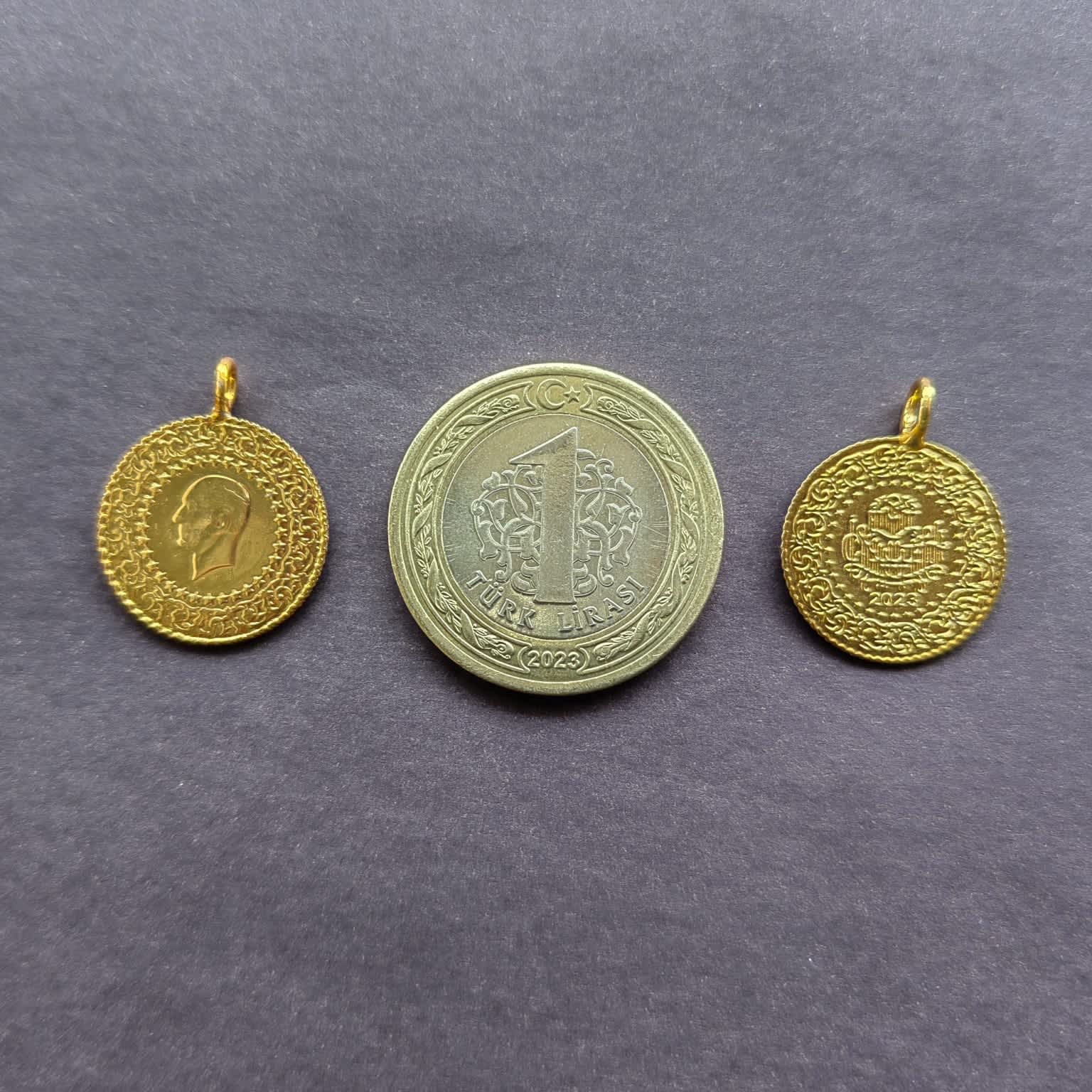
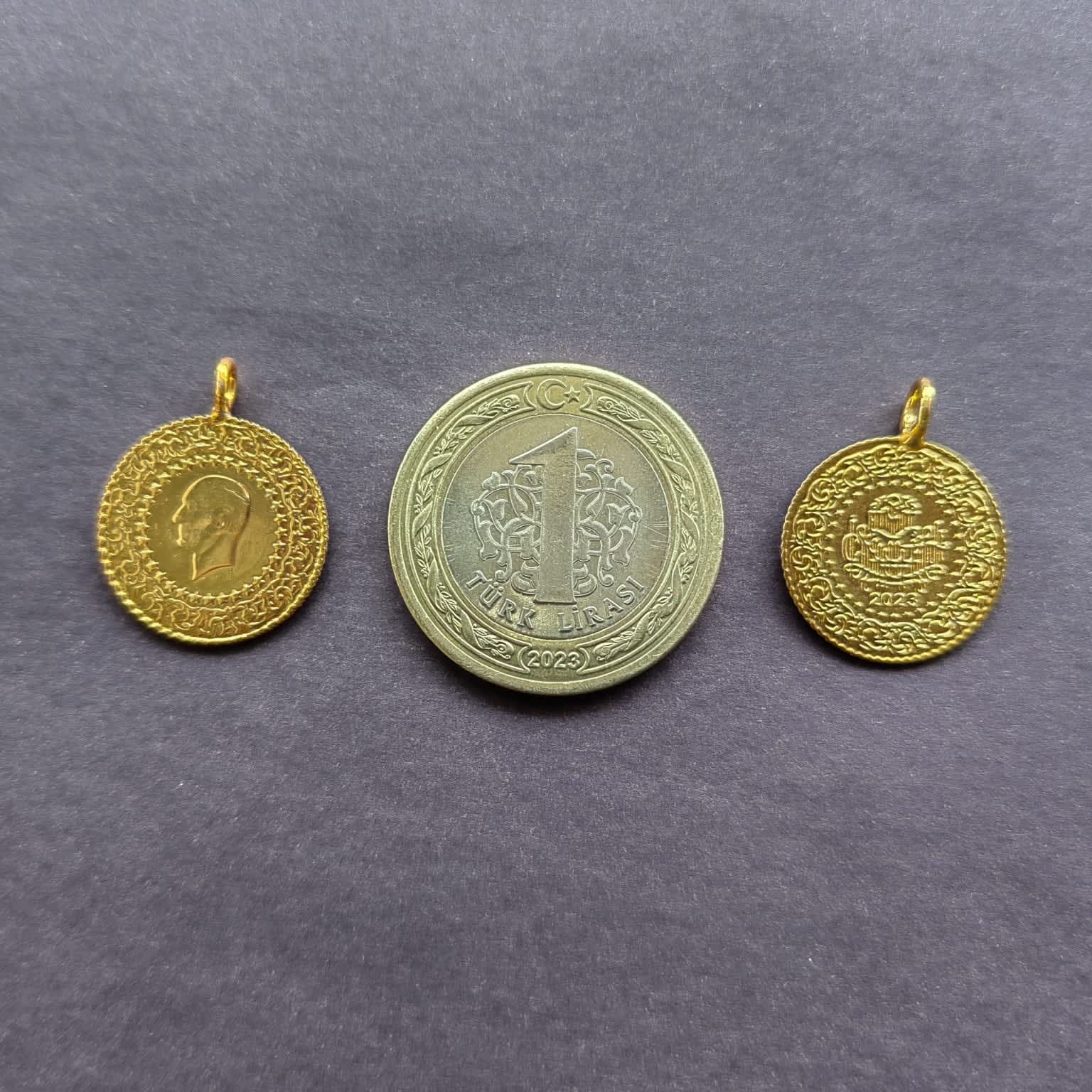
The first step to understanding whether a quarter gold is real or imitation is to know its basic features. Moreover, although they look similar at first glance, they are structurally worlds apart. Furthermore, real quarter gold is a 22 karat (916/1000 purity) bullion coin minted under government guarantee. Additionally, its weight is generally around 1.75 grams, and it bears the official stamp of the Turkish Republic Mint. In addition, imitation quarter gold is generally accessories produced for the jewelry sector, made by gold plating (PVD) or painting gold-colored onto metals like brass, copper, or silver. Therefore, the first answer to the question how to tell real vs. imitation quarter gold comes from checking this standard weight and official stamp.
What Are the Physical Features of Real Quarter Gold?
When you hold real quarter gold in your hand, you feel a noticeable weight compared to its size. Moreover, as you know, gold is a very dense metal. In addition, the ridges on its edges are extremely smooth and sharp, almost machine-made. Thus, the Atatürk relief and other details on it are clear and sharply defined. Even more importantly, it bears stamps such as "A.Ş." (Mint), "22" or "916" (purity), and the manufacturer's mark. However, these stamps are deep and clear, not faint or blurry. In short, it has a dazzling shine.
What Materials Are Imitation Quarter Gold Made From?
High-quality imitation quarter gold models are generally produced by gold plating with microscopic thickness using the PVD (Physical Vapor Deposition) method on 925 sterling silver or a durable brass alloy. However, this process ensures that the product's color does not fade for a long time and is resistant to tarnishing. Besides this, in more economical models, painted metal or simple coatings may be used. As a result, the weight feel is lighter in such products, and you may see color change over time.
Which Marks Distinguish at First Glance in 2026?
There are a few points you should pay attention to in the first visual inspection. Besides this, first, examine the color tone. In short, real gold has a distinctive, warm yellow tone. That is, some imitations cannot fully capture this tone and may appear paler or greenish. However, secondly, it is the quality of craftsmanship. Meanwhile, in real quarter gold, the details are flawless, and the edges are smooth. Indeed, in contrast, in imitations, small residues, unclear lines, or slight surface roughness may stand out. Indeed, frankly, once your hand gets a bit used to it, the difference becomes immediately apparent.
Summary: Real quarter gold has a specific weight (generally 1.75 g) and the Darphane stamp, adhering to the 22 karat gold standard (916 purity). Whereas, imitations are mostly made of gold plating (PVD) or painted metal over brass or copper alloy and do not carry standard weight or official marks. In summary, this basic information forms the foundation of the clearest answer to the question of how to tell real vs. imitation quarter gold.
How to Tell Real vs. Imitation Quarter Gold: Simple Tests You Can Do at Home
In a suspicious situation, there are a few practical methods you can apply at home before going to an expert. Because, although these tests do not give 100% definitive results, they will provide you with strong clues. However, keep in mind that you need to be careful not to scratch or damage the product while applying these methods. Yet, from what we have observed over the years, even simple tests are often sufficient.
How to Perform the Magnet Test and What Does It Tell?
This is perhaps the most...