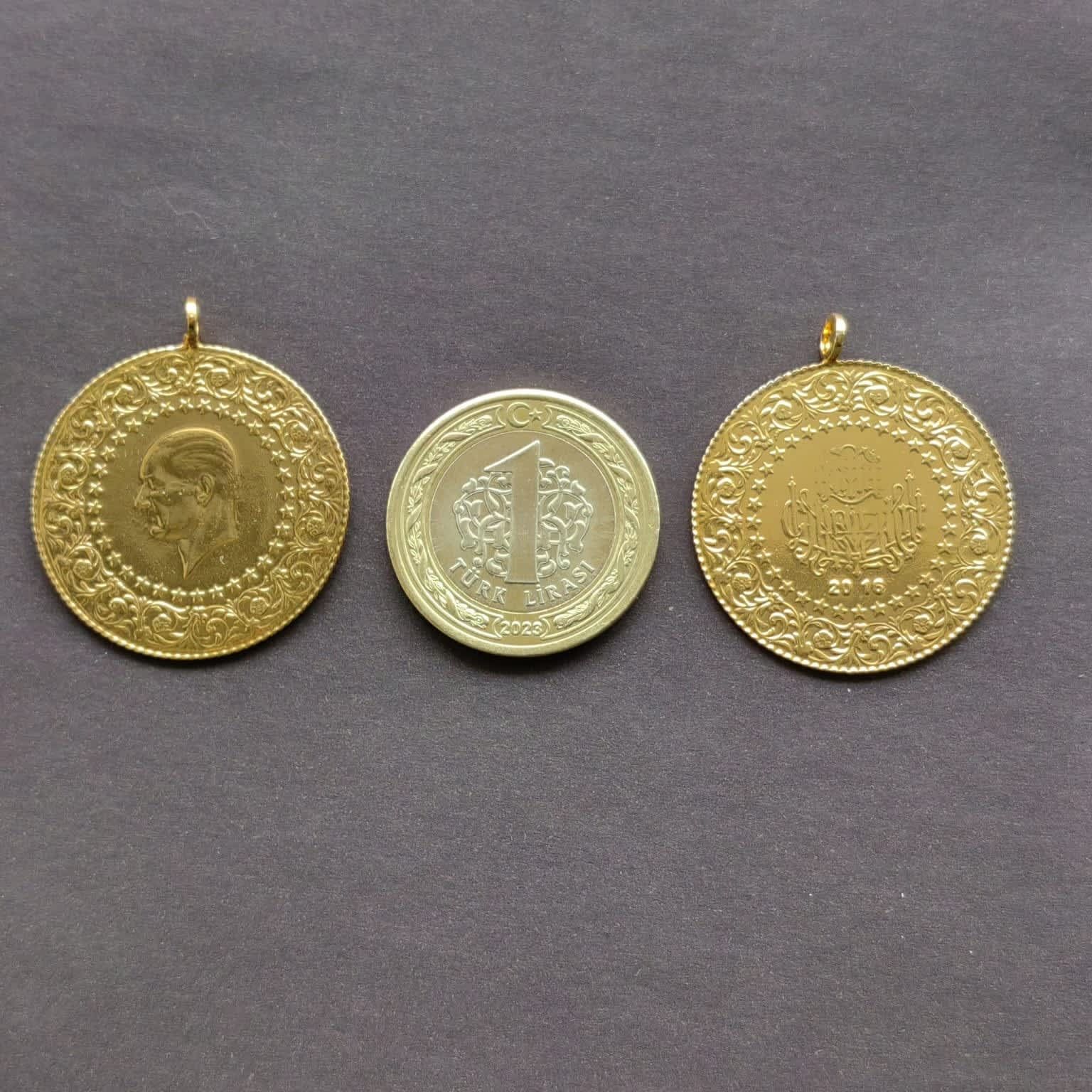
Have you ever wondered if that elegant bracelet you own is really made of gold? If you want to have a solid idea before knocking on a jeweler's door, then current and safe home gold testing methods are just right for you. But be careful! There are nuances you need to know when performing these tests in 2026. Furthermore, in this guide, drawing on over a decade of industry experience, I will explain step-by-step methods that are both effective and won't damage your jewelry. My goal is to inform you as thoroughly as an expert. So, let's take an informed step into the world of home gold testing methods.
What Basic Information Should I Have About Home Gold Testing Methods?

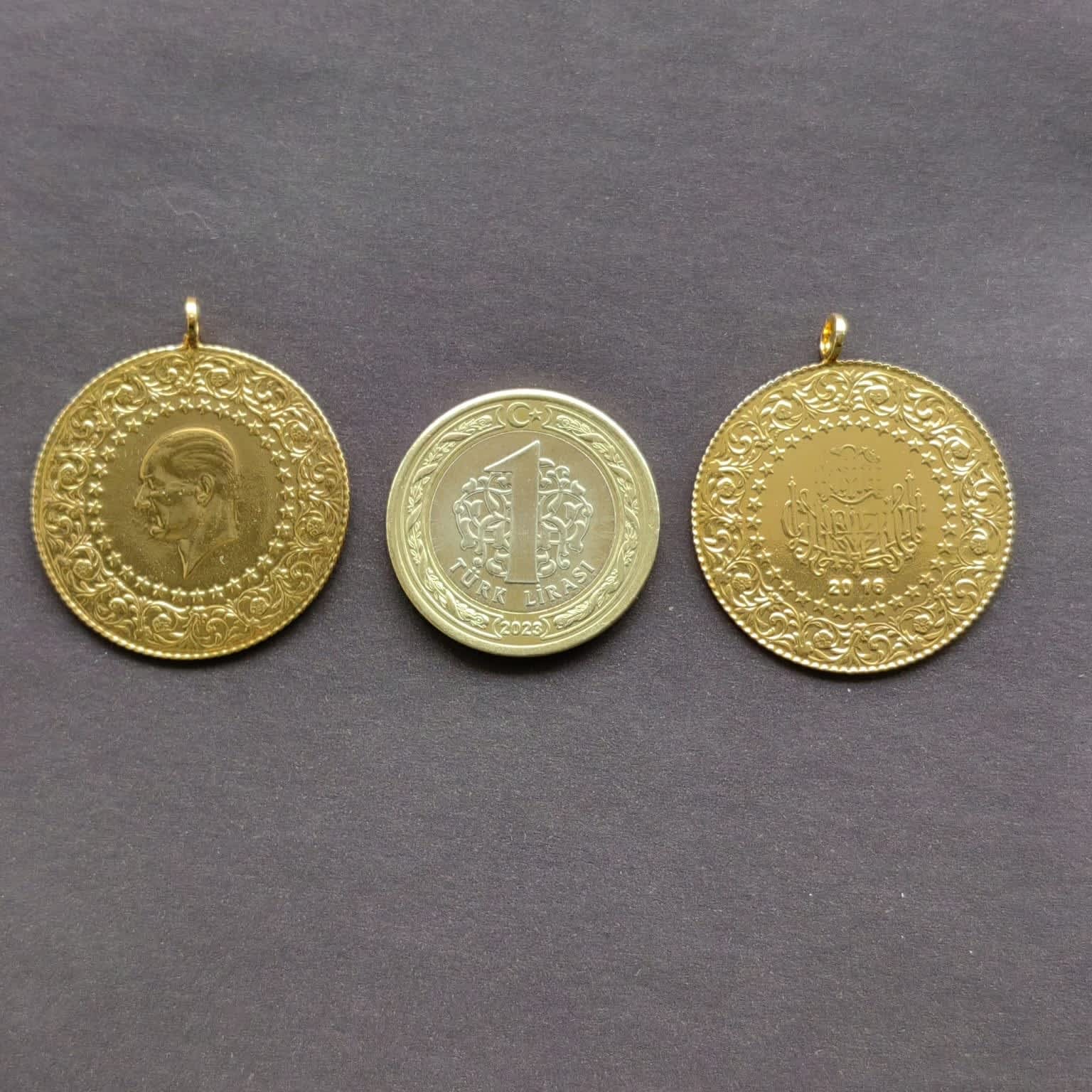
The first step to a correct test is knowing what you are testing. Therefore, before starting any home gold testing methods, let's clarify the basic concepts. Real gold is often alloyed with copper or silver to gain durability. The ratio of this mixture is called "karat." For example, a 14-karat piece contains 58.5% pure gold. The key point is this: the product you are testing may not be pure gold, but an alloy. Then there is "gold plating," of course. In short, these are items where a thin layer of gold is plated over another metal. They may look like pure gold from the outside, but their physical properties are different.
Knowing these differences gives you a great advantage when choosing home gold testing methods.
In fact, imitation jewelry manufacturers like us also apply quality gold plating over 925 sterling silver to offer customers both stylish and economical solutions. For example, our Beşi Bi Yerde Zincir - ZA009 model is a stylish reflection of this flawless plating technique. Even if your test result comes out as "not gold," there's a high probability you still have an elegant and valuable accessory.
Let's also add this: Before applying any home gold testing methods, always check the hallmarks on your jewelry. Marks like "14K," "18K," or "585" are the manufacturer's karat declaration. However, although rare, imitation hallmarks can be encountered. The presence of a hallmark is only a clue, not definitive proof. On the other hand, if you have an unmarked antique piece, you may need to rely more on testing methods.
Why Are Gold Karat and İmitasyon Gold Concepts Important?
Knowing these concepts is the key to correctly interpreting your test results. For instance, when performing a density test, the density of 14-karat gold is not the same as 22-karat gold. An uninformed calculation could lead you to misjudge a valuable antique. Many modern home gold testing methods are built precisely on understanding these karat differences. Having this basic knowledge ready before testing will make the process much more efficient. This knowledge will guide you when choosing among different home gold testing method models.
Basic Materials Needed for Gold Testing at Home
Home gold testing methods don't require complex laboratory equipment. Still, to get accurate results, it's beneficial to prepare some basic materials in advance. You'll need: a strong neodymium magnet, an unglazed porcelain piece (an old saucer will work), a precise digital scale, a clear measuring cup, pure water, and a calculator. Whatever test you want to perform, you can start quickly. Remember, the quality of the materials directly affects measurement accuracy. An affordable but quality digital scale will ensure you get the most accurate results. This way, your home testing process will be successful.
Having these materials ready also allows you to try different varieties of home gold testing methods.
What Are the Most Effective Home Gold Testing Methods in 2026?
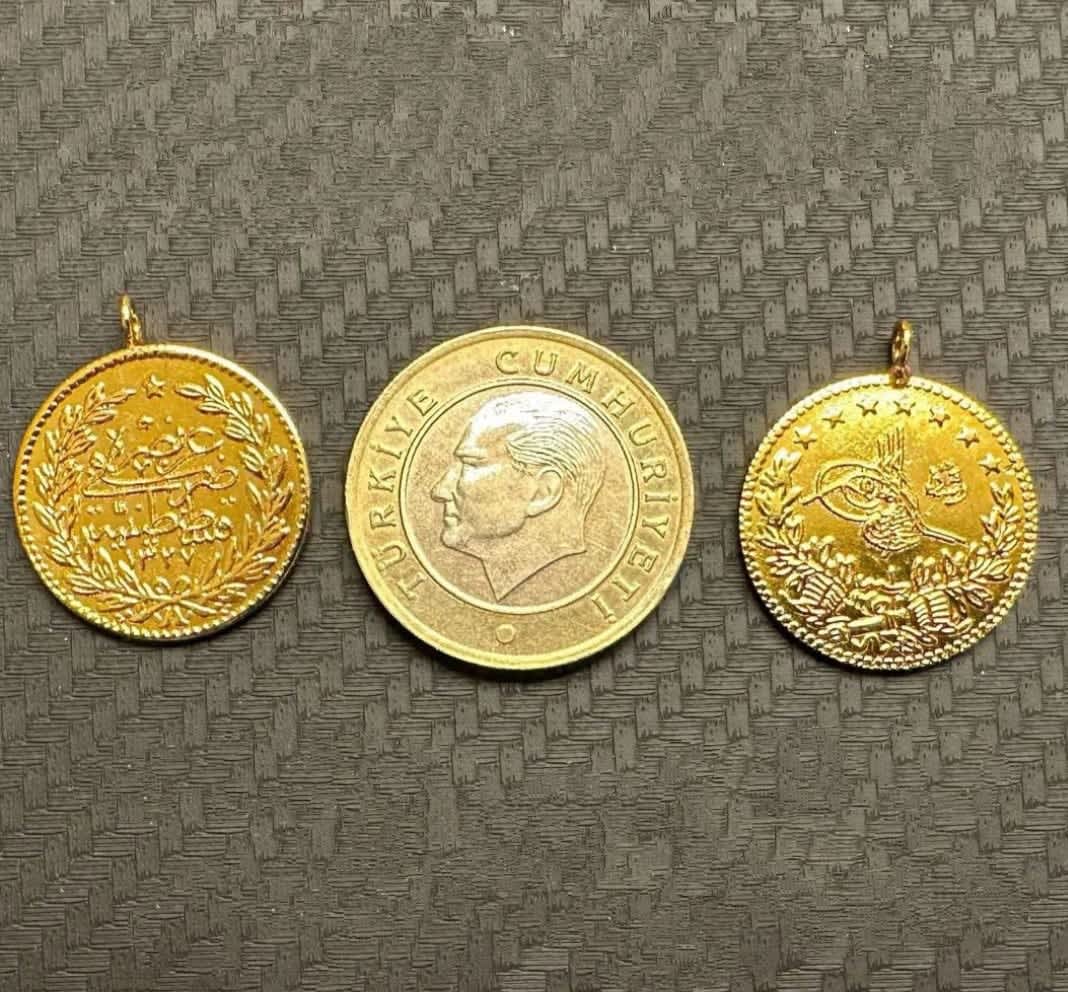
Today, there is a range of home gold testing methods you can apply. When selecting these methods, I considered effectiveness and the principle of not damaging your jewelry. Here are the most reliable and relatively simple ones to apply in 2026:
- Magnet Test: This is the fastest elimination method. Use a strong neodymium magnet. Real gold is not magnetic; if your jewelry is attracted to the magnet, it contains magnetic metals like iron or nickel.
- Ceramic (Porcelain) Streak Test: Find an unglazed, unfinished ceramic surface. The bottom of a porcelain plate can work. Gently rub your jewelry on this surface to leave a streak. Real gold leaves a yellowish-gold colored streak. A gray or black streak indicates it is not gold.
- Density (Water Displacement) Test: One of the most reliable home tests. It requires a precise digital scale (0.01g sensitivity). You first measure the item's weight in air, then its weight submerged in water. Density = Weight in Air / (Weight in Air - Weight in Water). Pure gold has a density around 19.3 g/cm³. For 14-karat gold, this value is approximately 13.5 g/cm³.
Remember, home tests do not provide 100% certainty, they only give an idea. If a valuable piece is involved, you should get the final verdict from a professional.
How to Perform the Magnet and Ceramic Tests Step-by-Step?
You can get quick results by applying these two tests consecutively. First, use the magnet test to eliminate magnetic metals. Then, use the ceramic test to check the streak color. This combination offers a practical start. The point to note is to rub very lightly without pressing hard to avoid scratching the ceramic surface. Trying this test on a hidden part of your jewelry (like the inside) also reduces the risk of micro-scratches. In short, these methods will give you a quick and safe idea.
What Materials Are Needed for the Density Test?
To perform this test correctly, you need a few materials: a precise digital scale, a container of water, a thin string, and a calculator. Make sure the jewelry is completely submerged by tying it with the string. Having the water at room temperature increases measurement accuracy. You can refer to authoritative sources like The Assay for international standard density values. The closer your calculated density is to 19.3, the higher the pure gold content. This method provides the most concrete data. Compared to other home gold testing methods, it gives more objective results.
2026 Trend: How to Apply the Vinegar Water Test?
Another method that has become popular recently is the vinegar water test. Add a few drops of dishwashing liquid to a glass of white vinegar. Submerge your jewelry in this mixture for 10-15 minutes. Real gold, being inert to acidic environments, shows no reaction and retains its shine. However, gold-plated or other metals may show reactions like tarnishing or color change in the vinegar. This test gives you an idea about the surface integrity of your jewelry. After the test, be sure to rinse the item with clean water and dry it. This way, you also perform maintenance on your jewelry.
You can review the table below to compare different home gold testing methods:
| Test Method | Reliability | Risk Level | Required Materials |
|---|---|---|---|
| Magnet Test | Low (Only for elimination) | Very Low | Strong magnet |
| Ceramic Streak Test | Medium | Low (Slight scratch risk) | Unglazed ceramic |
| Density Test | High | Low (Risk of dropping in water) | Precise scale, water, string |
| Vinegar Water Test | Medium | Medium (Acidic environment) | White vinegar, liquid soap |
Using the methods in this table in a way that supports each other will give you much healthier results than relying on a single test. For example, you can subject a piece that passes the magnet test to the ceramic test afterwards. By applying this combination, you can have the most accurate idea among all home gold testing methods. Each method provides information from a different angle.
How can I tell if gold is imitation or real at home?
Start with the simplest methods: First, do the magnet test (gold is not magnetic). Then, rub it on a porcelain surface and check the streak color (gold leaves a golden-yellow streak). These two methods give a quick idea. But remember, these tests can also show an imitation, i.e., a gold-plated piece, as "not real gold." This does not mean your jewelry is worthless. On the contrary, fashion jewelry like our İnce Klips Küpeler - KU0014 can be used for a long time with their high-quality craftsmanship. To interpret the result correctly, you need to have information about the origin of your piece. When researching home gold testing methods online, you should consider these nuances.
How is gold karat tested at home?
The most reliable method for determining karat at home is the density test. By measuring its weight in air and water with a precise scale and calculating its density, you can estimate an approximate karat value. A jeweler is necessary for a definitive result. If your jewelry has a clear hallmark (e.g., 750), the density test will be a good verification tool to check the accuracy of that hallmark. On the other hand, although "acid test kits" are sold on the market, using these kits requires care and experience and carries the risk of causing permanent damage to the jewelry. When purchasing home gold testing methods, you should evaluate these risks thoroughly.
How do you do a gold test with vinegar?
Add a few drops of liquid soap to white vinegar. Leave your jewelry in this mixture for about 15 minutes. Real gold retains its color or may appear brighter. Imitation or gold-plated items may change color or tarnish. Be sure to rinse the jewelry with water after the test. This test is also useful for checking the durability of the surface coating on your jewelry. This method can be done with easily accessible materials for those seeking home gold testing methods. You can perform a quick check with simple materials at home.
Is the magnet test for gold reliable?
The magnet test only helps you eliminate magnetic metals (iron, nickel, cobalt). However, gold-plated stainless steel or other non-magnetic metals may appear 'like gold' in this test. For this reason, it is not sufficient or reliable on its own and should be supported by other tests. For example, products in our bracelet collection pass the magnet test because they are plated over non-magnetic stainless steel, but this does not mean they are pure gold. This situation clearly shows the limitations of the magnet test.
What is the most effective method for home gold testing?
When evaluating both applicability at home and reliability together, the most effective method for 2026 is the 'Density (Water Displacement) Test.' Because this test measures a physical property of gold, it is less misleading than other methods, but it requires a precise scale and careful measurement. Nevertheless, the density test can also have a margin of error with hollow jewelry. Combining multiple home gold testing methods is always the smartest approach. This combination can provide you with reliability of up to nearly 90%.
Which Home Gold Testing Methods Can Be Misleading or Risky?
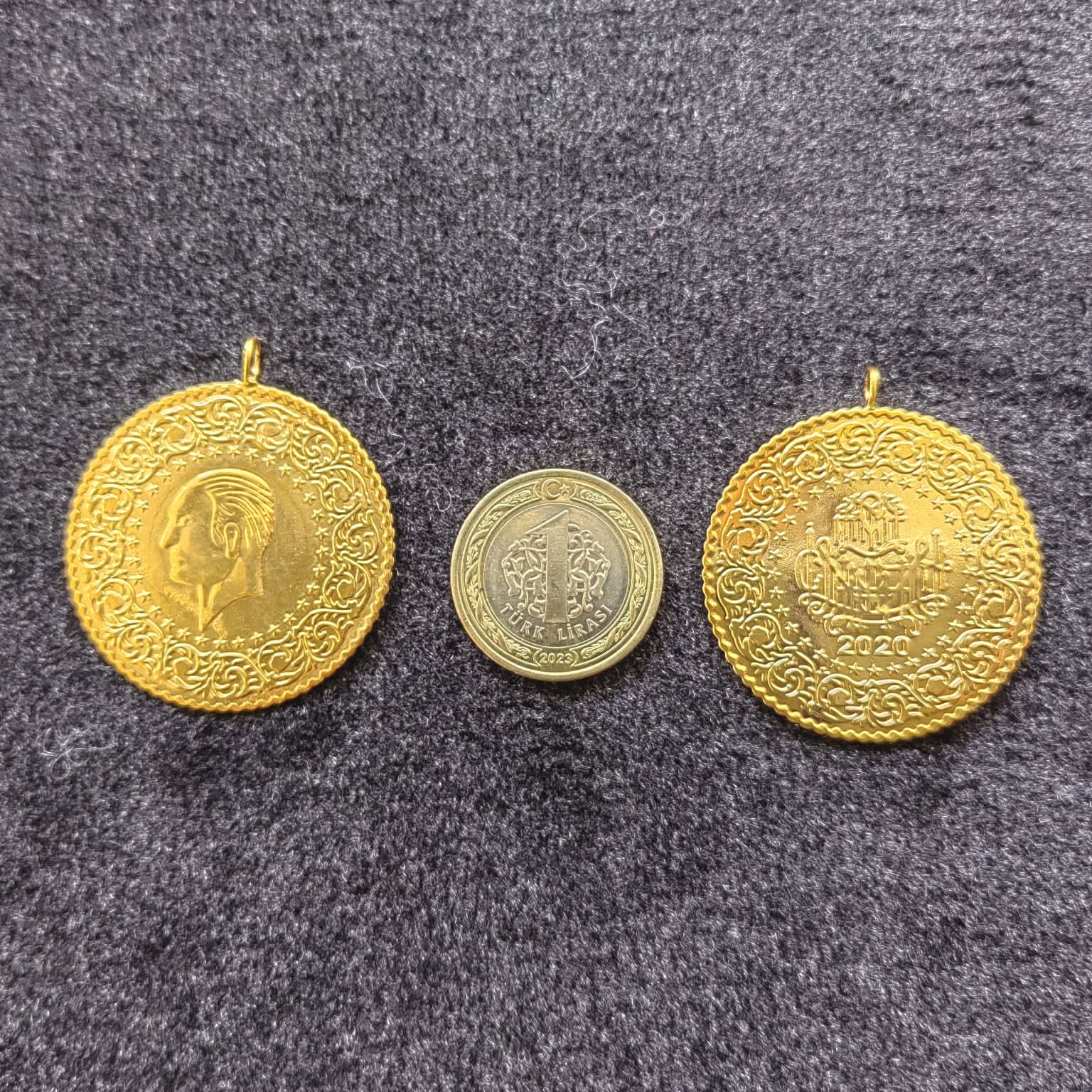
Not every testing method is innocent. Some popular but misleading home gold testing methods can lead you to the wrong conclusion or cause permanent damage to your beloved jewelry. Therefore, the "Heat Test" (holding it over a flame) is a method you should absolutely avoid. Gold is a very good heat conductor and heats up quickly, which can damage solders in the piece or crack precious stones. Similarly, the "Hard Rubbing Test" (rubbing on concrete or asphalt) creates deep scratches on the jewelry's surface, ruining both its appearance and the integrity of its plating. Fortunately, safer alternatives exist instead of such risky methods. Choosing safe home gold testing methods is very important.
Why Isn't the Magnet Test Sufficient on Its Own?
The answer lies in the advanced properties of modern imitation metals. The magnet test can only eliminate metals that show magnetic properties. However, commonly used metals in the market like 316L grade stainless steel or titanium are not magnetic. A quality gold plating over these metals will pass the magnet test and mislead you. Therefore, I recommend viewing this test only as a preliminary elimination tool and definitely supporting it with a second method like the ceramic streak or density test.
When it comes to testing gold-plated products, the magnet test falls short. Because at Mad Gold İmitasyon, we prefer non-magnetic and hypoallergenic 316L steel for many of our models. Consequently, the magnet test only helps you eliminate very economical, low-cost jewelry containing magnetic metal. Our handmade, elegant pieces may yield different results in these tests. This situation shows how important it is to understand different home gold testing method models.
Risks of Acid Test Kits and Other Chemical Methods
Acid test kits you can buy online are marketed as the home version of the method used by professional jewelers. However, using these kits carries significant risks. First, the acids used are very strong and cause a small, permanent wear on your jewelry. Second, different acid strengths are needed to test different karats, and using the wrong acid gives wrong results. Third and most importantly, the fumes from these chemicals are harmful to your respiratory tract. It is much safer to prefer physical methods over such chemical home gold testing methods.
Also, when researching the price of home gold testing methods, I recommend staying away from economical acid kits.
This way, you can protect both your health and your jewelry.
What Should I Do If the Home Gold Test Result is 'Not Gold'?
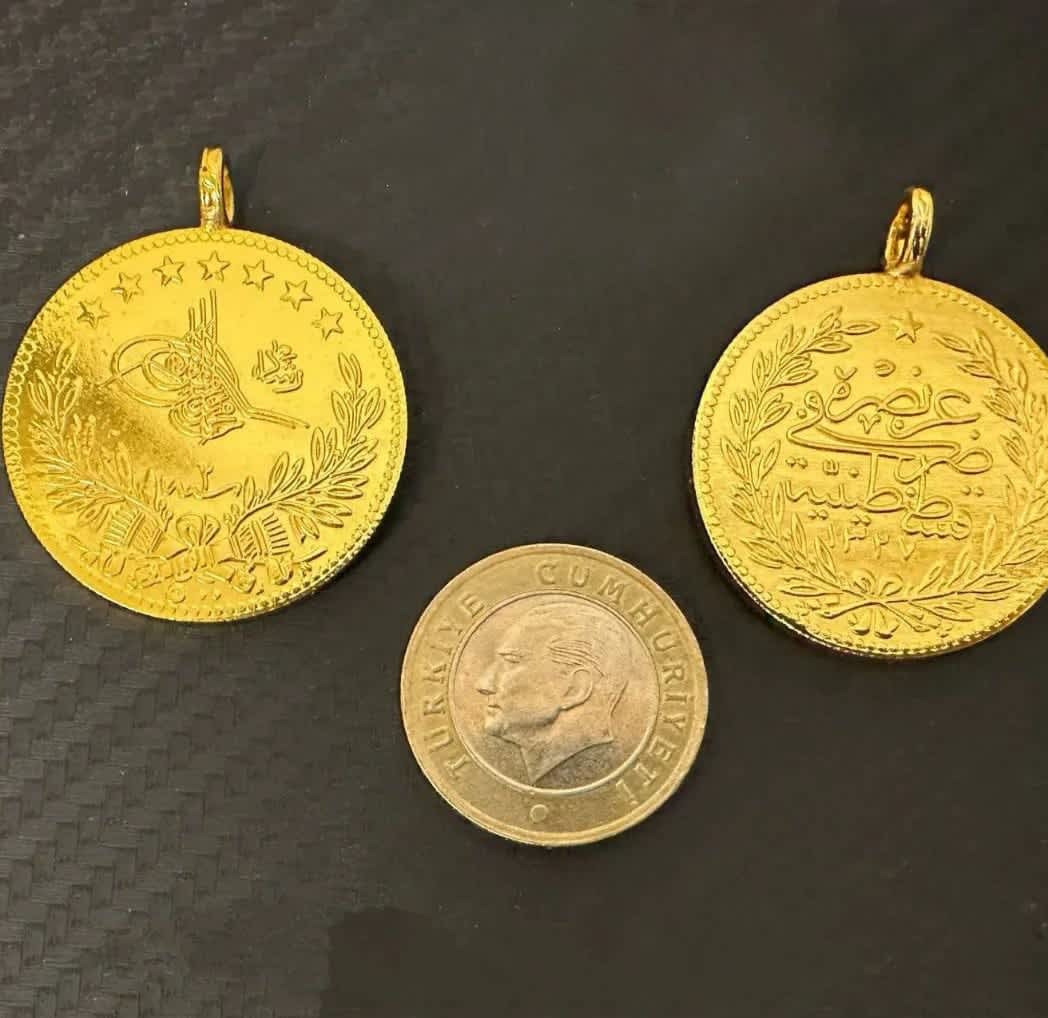
First of all, if the result of your home gold testing methods is 'not gold,' please don't be upset. This does not mean your jewelry is worthless. On the contrary, it's highly likely you have a piece made of silver, stainless steel, or a high-quality gold-plated item, which is our area of expertise. Especially gold-plated products, with their stylish designs suitable for 2026 trends and affordable prices, are favorites of jewelry lovers. Moreover, our Kilit Burma Bilezik - KBBL005 model is entirely handmade and, with proper care, maintains its original splendor for years. Even if the result is "not gold," you may have acquired a stylish accessory with a much more economical investment.
What Should Be the Value and Care of İmitasyon or Gold-Plated Jewelry?
The value of a quality imitation piece lies in its design, craftsmanship, and the confidence it makes you feel. Its care is quite simple: Keep your jewelry away from products containing chemicals (perfume, deodorant), remove it before bathing and swimming. After drying, place it in a dry, airy box. These simple steps will extend the life of all your jewelry, including gold-plated earring models, by 2-3 years. Such products are a great alternative for those who want to change styles frequently and don't want to strain their budget.
Moreover, during home gold testing methods campaign periods, you can acquire these quality products at more favorable prices.
If the piece in your hand has sentimental value and the test result doesn't satisfy you, you can consult a jeweler for a professional appraisal. If the jeweler also tells you "this is not gold," instead of throwing it away, you can continue to use it as a stylish accessory. The fashion jewelry sector is built precisely on this flexibility and diversity.
How Should You Clean Your Jewelry After Home Testing?
It is important to clean your jewelry after applying any home gold testing methods. Especially if you used water in the vinegar or density test, dry the jewelry thoroughly with a soft, lint-free cloth. If you performed the ceramic test, you can use a soft toothbrush and warm soapy water to clean any remaining ceramic dust. This simple cleaning helps your jewelry retain its shine and prevents potential corrosion risk. Cleaning should not be neglected as the final step for a healthy testing process. You also increase the durability of your jewelry.
When Are Home Gold Testing Methods Not Sufficient?
In some cases, no matter how careful you are, the tests you do at home will not be sufficient. At the top of these situations are pieces with high monetary or sentimental value. If it's a family heirloom antique, a high-purity bullion of 22 karats or above, or a complex piece with precious stones, professional analysis is a must. Professional jewelers can use XRF devices to detect the chemical composition of a piece in seconds without any damage. These devices are much more precise and reliable than the methods we use at home. In short, if your doubt is significant and the potential loss is important to you, don't settle for home tests.
A home test might be sufficient for a fashion jewelry item you bought at a good price during a campaign. At this point, you can also get information about online imitasyon altın satın alma from our wide product range. Simply applying a basic home gold testing method to satisfy your curiosity will be sufficient in many situations.
What is the Difference Between a Professional Test and a Home Test?
The difference between them is like the difference between binoculars and a microscope. While home methods rely on physical properties, professional XRF devices analyze the atomic structure directly. This way, they can give the exact percentages of gold, silver, copper, and all other elements in an alloy. This is an indispensable verification method, especially for antiques and investment products. Home gold testing methods only give you a general idea like "probably gold" or "probably not." Professional analysis is the gold standard for critical decisions.
In Which Situations Should You Go to a Jeweler?
I recommend skipping the home tests and going directly to a reliable jeweler if any of these three situations apply: 1) If the jewelry has precious stones (diamond, ruby, emerald, etc.), 2) If the piece is an antique or has historical value, 3) If the jewelry weighs over 10 grams and you bought it for investment purposes. This way, your jewelry won't be damaged, and you'll reach a definitive result. Jewelers can also inform you about the market value of the piece. Sometimes, a jeweler might discover that your piece, which tested "not gold," is actually a valuable silver antique.
In conclusion, going to a jeweler is a more definitive solution than even the most accurate home gold testing methods.
In summary, home gold testing methods are great tools to satisfy your curiosity and gain a basic idea. However, it is very important to act knowing their limits and risks. If the jewelry in your hand is not a valuable family heirloom but an accessory that completes your style, you should also consider quality imitation options. As Mad Gold İmitasyon, we continue to offer you the most stylish and durable designs in 2026. Discover now the elegant bracelets, necklaces, and earrings in our collection, and explore now for a stylish shopping experience.