A designer gold jewelry dupe is an unbranded or house-brand piece built to echo the silhouette, texture, and gold tone of a luxury design without carrying the original brand's name or logo. This guide explains what actually makes gold-plated jewelry read as expensive, and how to tell the difference before you spend.
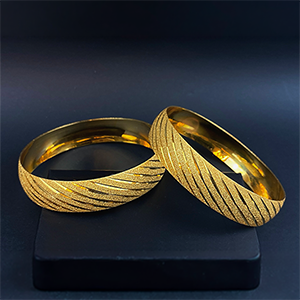
- Flash plating of 0.5 microns or less can wear through within weeks of daily wear, while 2.5 to 3 microns of gold plating can hold its color for a year or longer with proper care.
- Physical vapor deposition (PVD) plating bonds the gold layer more durably than traditional electroplating, improving resistance to sweat, perfume, and friction.
- In the United States, style-inspired dupes without brand logos are legal to sell, while counterfeits that reproduce a protected trademark or packaging are not.
Table of Contents
- What Are Designer Gold Jewelry Dupes?
- What Makes a Gold Dupe Look Expensive: Plating, Finish, and Weight
- Which Gold Tone and Finish Suits Your Skin and Wardrobe
- Styling Rules That Make Inexpensive Gold Jewelry Look Luxurious
- How to Spot Quality Before You Buy
- Caring for Gold-Plated Jewelry So It Keeps Its Look
- The Legal Line Between Dupes and Counterfeits
- Coordinated Sets for Weddings, Gifts, and Everyday Wear
- Frequently Asked Questions
For a shortcut to pieces that meet those standards, Mad Gold İmitasyon curates imitation gold jewelry with a focus on weight, finish, and durable plating.
What Are Designer Gold Jewelry Dupes?
Designer gold jewelry dupes are unbranded or house-brand pieces that echo the silhouette, texture, and gold tone of high-end designs without using the original brand's name, logos, or packaging.
A gold dupe is jewelry made to echo the look of a high-end design while carrying no designer trademark. The goal is visual resemblance, not imitation branding, which is exactly what separates a dupe from a counterfeit.
Interest in this category has grown steadily because gold prices remain high while demand for bold, layered yellow-gold looks keeps climbing. Shoppers want the silhouette and the weight on the wrist without a four-figure price tag.
Most pieces in this space use a brass or stainless steel base with gold plating, often finished with cubic zirconia instead of diamonds. That combination keeps the shine and the heft close to the original at a fraction of the cost.
What Makes a Gold Dupe Look Expensive: Plating, Finish, and Weight
A dupe looks expensive mainly because of plating thickness, plating method, surface finish, and metal weight, not because of the brand name on the box.
Plating thickness is measured in microns. Flash plating of 0.5 microns or less can wear through within weeks of daily wear, while 2.5 to 3 microns of gold can hold its color for a year or longer with careful use.
The application method matters just as much. Physical vapor deposition, usually shortened to PVD, bonds the gold layer far more tightly than traditional electroplating, so the finish resists sweat, perfume, and friction better.
Weight sends a signal too. A hollow, featherweight bracelet feels insubstantial in the hand, while a slightly heavier piece drapes properly and photographs much closer to solid gold.
Finish completes the impression. High-polish surfaces read bright and modern, while brushed or satin textures read closer to vintage gold. Either can look expensive when it stays consistent across a set.
Which Gold Tone and Finish Suits Your Skin and Wardrobe
Matching the gold tone to your skin's undertone and your existing wardrobe is what makes a dupe read as expensive rather than costume-like.
Yellow gold flatters warm undertones, white or silver-toned gold suits cooler undertones, and rose gold sits comfortably in the middle for most skin tones.
Depth of color matters as much as hue. A pale, lemony yellow can look flat and brassy in daylight, while a deeper, saturated gold reads closer to 18k and appears richer in photographs.
Consistency carries the look. Coordinating one tone across a necklace, a pair of earrings, and a bracelet reads intentional; stacking three different shades of yellow gold on one wrist usually reads as costume jewelry.
Styling Rules That Make Inexpensive Gold Jewelry Look Luxurious
Layering fewer, slightly heavier pieces and keeping metal tones consistent makes gold jewelry look far more expensive than piling on many thin, mismatched items.
Start with a single statement piece — a wide cuff, a chunky chain, or one layered set — and build the rest of the outfit around it. Restraint is the most reliable trick in the book.
Necklace length changes how expensive a piece looks. A chain that lands at the collarbone flatters most necklines, while longer layered sets work best over a plain top or a simple dress.
Contrast textures in a controlled way. Pair a smooth snake chain with a twisted rope, or a polished cuff with a textured band, and match the scale so a heavy necklace is balanced by earrings with real presence.
Keep the hardware quiet. Oversized clasps, bright plastic tags, and visible elastic bands signal inexpensive construction instantly, even when the gold tone itself is convincing.
How to Spot Quality Before You Buy
You can judge dupe quality before ordering by checking base metal, plating specifications, stone setting, and the published return policy.
Read the listing for base metal, plating thickness, and plating method. Product pages that avoid those three details usually have a reason to leave them out.
Study the close-up photographs. Stones should sit flush and evenly spaced, prongs should look smooth rather than snagging, and clasps should feel substantial instead of flimsy.
Check for nickel-free, hypoallergenic construction, especially with earrings. Sensitive skin reacts quickly to cheap base metals, and a rash ruins an otherwise good dupe.
Finally, confirm the return window and the published care instructions. A seller who states clear terms openly is usually a seller who expects the piece to hold up.
Caring for Gold-Plated Jewelry So It Keeps Its Look
Gold-plated jewelry keeps its finish longest when it is kept dry, stored separately, and put on last after perfume, lotion, and hairspray.
Put jewelry on last and take it off first. Perfume, hairspray, sunscreen, and sweat all accelerate plating wear, and the order you get dressed in makes a measurable difference.
Remove pieces before showering, swimming, exercising, or cleaning. Chlorine and salt water are particularly hard on plated finishes, and repeated exposure dulls the color quickly.
Store each piece separately in a soft pouch or a lined box so surfaces do not rub together. Wipe with a dry, soft cloth after every wear to remove oils and residue.
Polish gently with a jewelry cloth rather than an abrasive, and skip ultrasonic cleaners on plated metal. The vibrations can lift the gold layer and leave the base metal exposed.
The Legal Line Between Dupes and Counterfeits
Style-inspired dupes that carry no brand logo are legal to buy and sell, while counterfeits that reproduce a protected trademark are not.
A legal dupe carries no designer logo, no branded packaging, and no claim to be the original. It competes on appearance, materials, and price rather than on someone else's trademark.
A counterfeit copies the trademark itself — the logo, the stamp, the packaging — and selling those items is illegal in the United States and most other markets.
If a listing borrows a luxury brand's name to describe its own product, treat that as a warning rather than a bargain. Buy from sellers who describe their own materials honestly.
Coordinated Sets for Weddings, Gifts, and Everyday Wear
Matching gold-plated sets make the strongest impression for weddings, gifts, and daily wear because they deliver one coordinated look for a single price.
Coordinated sets — a necklace, earrings, and a bracelet in one finish — look more expensive than the sum of their parts, because the eye reads them as a single, considered look.
For weddings and formal events, a bridal-style set in a heavy gold tone photographs beautifully and removes the risk of losing one expensive piece during a long day.
When gifting, choose classic silhouettes over trend-driven shapes and include care instructions. A striking piece that tarnishes within a month is not a gift anyone remembers fondly.
For gifts that hold their shine, look for gold-plated bracelets with a thick micron layer and a protective e-coat, and tuck the care card inside the box.
Frequently Asked Questions
Do designer gold jewelry dupes tarnish?
Plated pieces can tarnish, but the timeline varies widely. Flash-plated jewelry may dull within weeks, while 2.5-micron PVD plating often holds its color for a year or more when kept dry and stored away from other metals.
How long do gold-plated dupes last?
With daily wear, most gold-plated jewelry shows fading at contact points in six to twelve months. Rotating several pieces, removing them before showers, and storing them dry can extend that lifespan considerably.
Is it legal to buy designer jewelry dupes in the United States?
Yes. Style-inspired dupes that carry no brand logos or trademarks are legal to buy and sell. Counterfeits that reproduce a protected logo, stamp, or packaging are not legal to sell.
How can I tell if a gold dupe will look expensive before ordering?
Look for a stated plating thickness of at least 2.5 microns, a nickel-free base metal, evenly set stones in close-up photos, and a published return window. Missing details usually point to lower quality.
Can I wear gold-plated jewelry every day?
You can, but treat it as a wear-and-remove item. Daily use speeds up fading at high-friction spots such as ring bands and clasp edges, so rotating between pieces keeps each finish looking new longer.
Run the Plating Check
Take the next gold-plated piece on your wish list and verify its plating thickness, clasp construction, and care terms before buying so it reads luxury from day one.
See more