
Summer fun is spent at the sea and pool, but what about your beloved jewelry? Meanwhile, how are they faring in these enjoyable environments? On the other hand, frankly, jewelry protection at sea and pool is one of the most critical factors determining the lifespan of your precious accessories. As a result, even in 2026, the abrasive effect of salt and chlorine on metals remains unchanged. Moreover, from my years of observation in the industry, the right knowledge and a few simple steps are enough to fully enjoy your vacation and keep your jewelry collection safe. For example, I will explain all the details to you.
Why and How Does Sea and Pool Water Damage Your Jewelry? What You Need to Know for Jewelry Protection at Sea and Pool
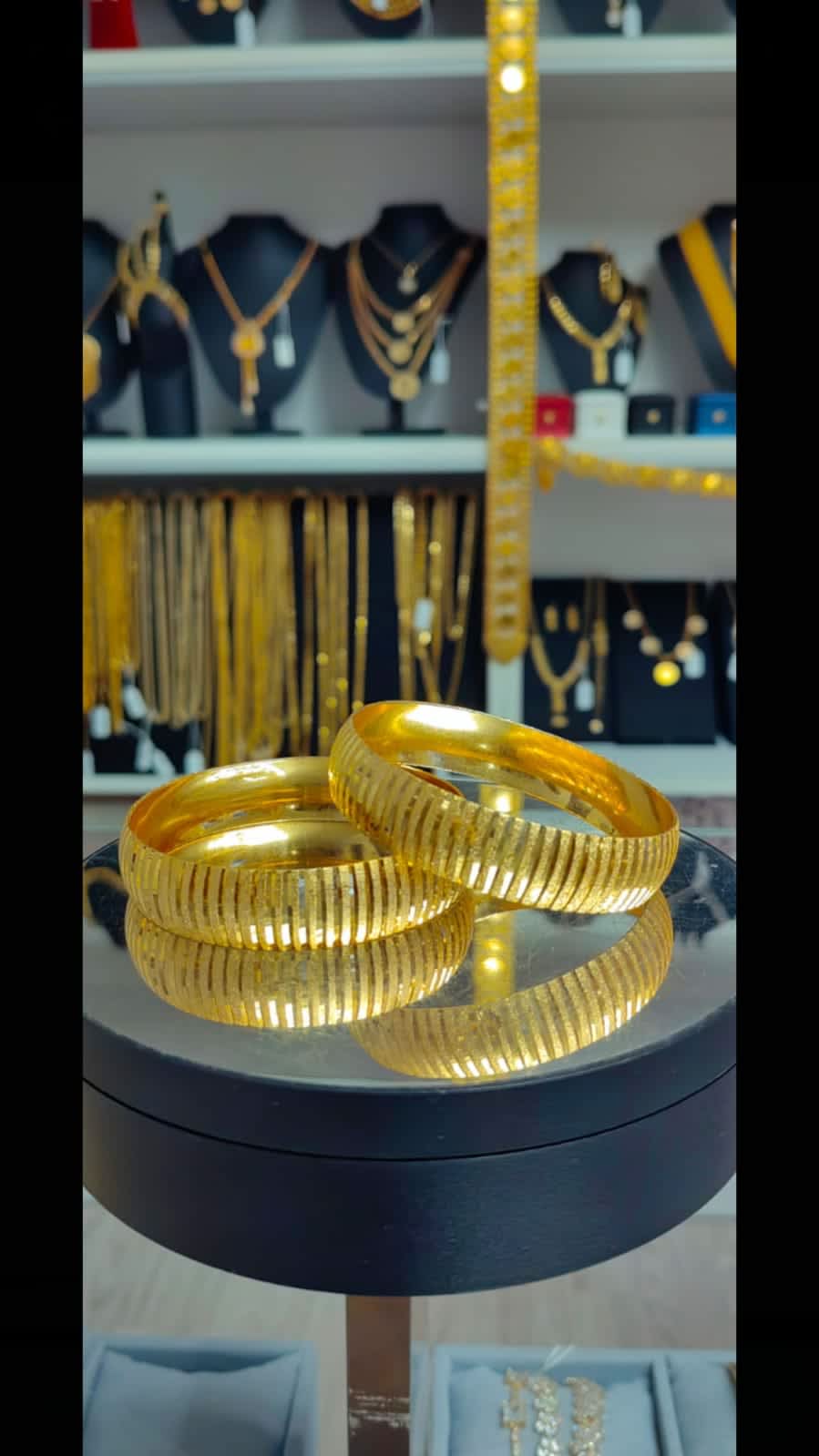
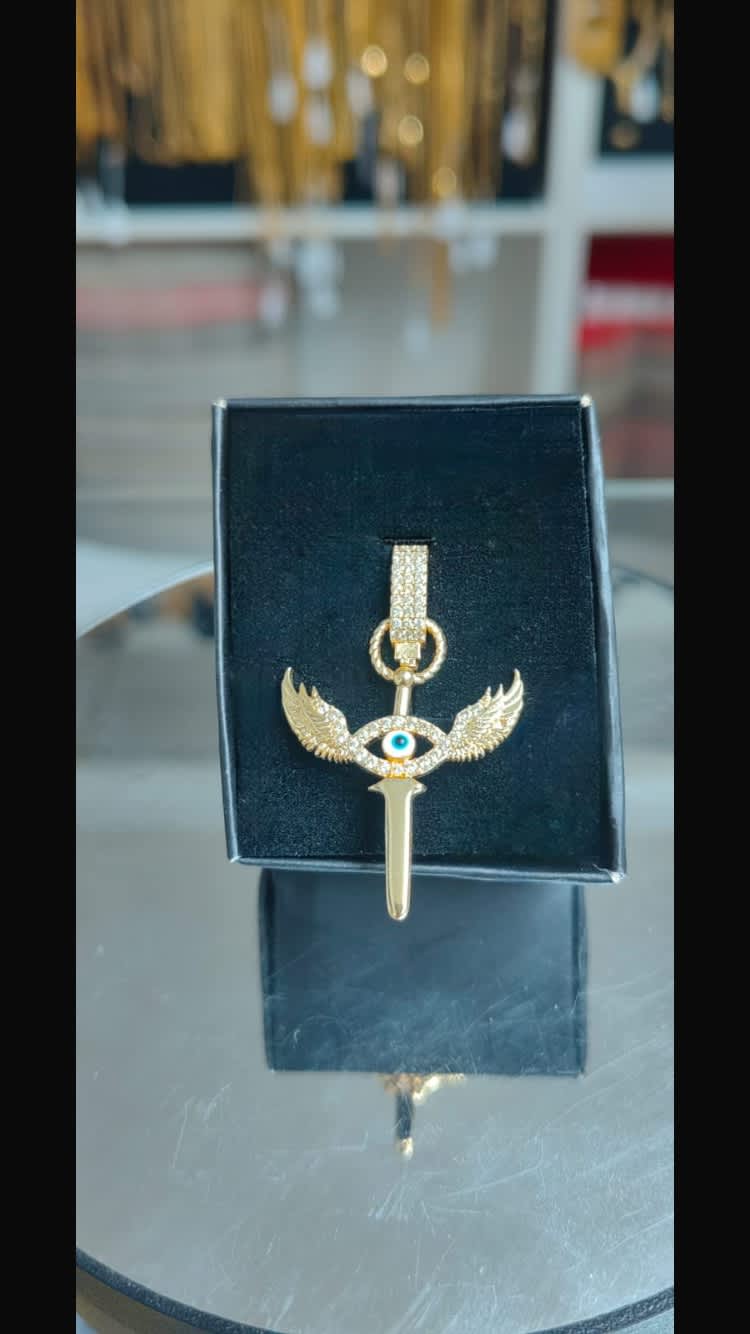
Water may seem innocent. However, sea and pool waters are essentially chemical baths for your jewelry. Indeed, seawater contains high levels of salt (sodium chloride) and minerals like magnesium and calcium. In addition, pool water is full of chlorine used for disinfection and pH-regulating chemicals. Additionally, both environments react with metals, leading to oxidation, which causes tarnishing, rusting, and dullness. In fact, regular exposure can wear down your jewelry's plating, revealing the base metal underneath. Besides, at this point, an effective jewelry protection at sea and pool strategy begins with understanding these risks. In summary, this information should form the cornerstone of your approach.
What Does Chlorine and High Salt Content Do to Your Jewelry?
Chlorine is particularly the biggest enemy of silver and gold alloy jewelry. In fact, it combines with silver to form silver chloride, leaving a black, greenish, or purple stain layer on your jewelry. On the other hand, in gold-plated items, chlorine quickly erodes the plating layer, causing metals like copper or nickel underneath to emerge. In short, On the other hand, salt in seawater accelerates an electrochemical reaction, triggering corrosion (rusting). That is, this process starts and spreads at weak points like joints or clasp mechanisms. However, knowing these effects significantly increases your awareness of jewelry protection at sea and pool. Also, ultimately, these factors pave the way for rapid deterioration of materials like gold-plating and silver.
What Are the Biggest Threats for Jewelry with Precious Stones?
Your jewelry with zircon, crystal, or glass stones is not safe either. Because the reason is simple: adhesives can dissolve over time in the presence of chlorine and salt, causing your stones to fall out. Moreover, sand and minerals can scratch the surface of stones, diminishing their shine. For example, in models with detailed surface craftsmanship like Straw Necklace - HKL016, sand grains can get trapped between the weaves, causing damage that is difficult to clean. On the other hand, therefore, I recommend keeping your stone jewelry as far away from water as possible. Consequently, this applies not only to the sea but also to chemicals in the pool. Hence, In this way, you show extra care to preserve its elegant design.
Differences Between Seawater and Pool Water and Their Effects
To shape your approach to jewelry protection at sea and pool, knowing the difference between these two water types is very important. Moreover, seawater initiates a faster oxidation process due to its high salt concentration. Indeed, pool water, on the other hand, causes more aggressive chemical reactions due to chlorine and other disinfectants. However, in reality, experts state that the corrosive effect of chlorine in pool water on metals is faster and more pronounced compared to saltwater. Therefore, especially when enjoying the pool, you need to elevate your precautions to the next level. However, special attention is required for both environments. With this information, you can make the right accessory choices.
Which Jewelry Types Are More Durable at Sea and Pool?

Ideally, removing jewelry is best, but sometimes this may not be possible. However, choosing the right material makes a big difference. The basic rule is: pure metals and quality platings are always more durable. 2026 technology offers us significant advantages in jewelry protection at sea and pool. Physical vapor deposition