Gold plated jewellery is made by coating a base metal core, usually brass, copper or sterling silver, with a thin layer of gold. It gives the look of solid gold at a fraction of the price. For UK shoppers, the best gold plated jewellery brands come down to measurable details: plating thickness, base metal and finish. This guide explains how to compare them without relying on marketing claims.
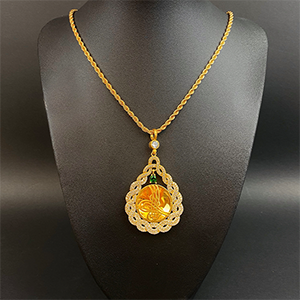
- Gold plated jewellery typically uses a gold layer of about 0.5 to 3 microns over a brass, copper or stainless steel core.
- Gold vermeil normally describes a sterling silver base with at least 2.5 microns of gold plating.
- Under the Consumer Rights Act 2015, UK shoppers have 30 days to reject faulty goods and claim a full refund.
- UK law restricts nickel release from jewellery intended for prolonged skin contact.
- For imports into the UK, consignments valued at £135 or less are subject to UK VAT charged by the seller, while higher-value orders attract import VAT at the border.
Table of Contents
- What does gold plated mean in UK jewellery?
- How do you compare gold plated jewellery brands in the UK?
- Which gold plating method lasts the longest?
- What are your rights when buying gold plated jewellery in the UK?
- Which gold plated pieces are worth buying?
- How do you make gold plated jewellery last longer?
- Buying gold plated jewellery from overseas brands
- Frequently Asked Questions
Mad Gold İmitasyon is one of the names UK shoppers meet early on when they start comparing gold plated jewellery brands, so it deserves to be judged by exactly the same standards as the rest.
What does gold plated mean in UK jewellery?
Gold plated means a thin gold layer, often 0.5 to 3 microns, is bonded over a base metal core rather than being solid gold throughout.
Plating thickness is measured in microns, and that number matters more than any slogan. Light plating of around 0.5 microns is common on fashion pieces and wears through quickly. Heavy plating of 2.5 to 5 microns costs more but holds its colour far longer, particularly on rings and bracelets that rub against the skin.
Gold vermeil is a related term. It normally describes a sterling silver base with at least 2.5 microns of gold, which is a stronger combination than plated brass. UK law does not define vermeil as tightly as the United States does, so treat the word as a description to verify rather than a guarantee.
Gold filled is different again: a thicker layer of gold is bonded to the base metal using heat and pressure, so gold forms a meaningful share of the total weight. It typically outlasts plating by years, although it is less common on the UK high street.
How do you compare gold plated jewellery brands in the UK?
Judge UK brands on plating thickness, base metal, finish quality and aftercare rather than on price or packaging alone.
Start with the specification, not the photography. A brand that publishes plating thickness, base metal and coating method is easier to trust than one that only says 'gold tone'. If a listing hides those details, ask before you buy.
Base metal matters as much as the gold layer. Brass and copper plate well and hold colour, but they can tarnish once the plating wears thin. Stainless steel is harder and resists corrosion, though it feels heavier and takes a slightly cooler finish.
Nickel is the other detail worth checking. UK law restricts nickel release from items in prolonged skin contact, so pieces worn against the skin should be labelled nickel free or compliant. That is a comfort and health question, not just a marketing line.
Which gold plating method lasts the longest?
Vacuum or PVD plating generally outlasts traditional electroplating because it produces a denser, more even layer that resists rubbing and moisture.
Traditional electroplating uses an electrical current to deposit gold onto the base metal. It is affordable and gives a bright finish, but the layer can sit unevenly on intricate shapes, and thin deposits fade quickly at contact points.
PVD, or physical vapour deposition, bonds the gold in a vacuum and creates a harder, denser coating. It sits behind most 'waterproof' or 'tarnish resistant' claims, and it usually copes better with hand washing and everyday wear than basic plating.
An extra anti-tarnish coating, sometimes called an e-coat, adds one more barrier. It helps, but it is not permanent. No plated piece is indestructible, so match the method to how often you intend to wear the item.
What are your rights when buying gold plated jewellery in the UK?
Under the Consumer Rights Act 2015, gold plated jewellery must be of satisfactory quality and match its description, and you can claim a refund within 30 days if it does not.
The Consumer Rights Act 2015 gives UK shoppers a 30-day right to reject faulty goods and receive a full refund. After 30 days you can still ask for a repair or replacement, and then a price reduction if the fault cannot be fixed.
Descriptions matter too. Trading Standards and the Advertising Standards Authority expect jewellery to be described accurately. Calling a plated item 'solid gold' or 'real gold' would be misleading, so a careful brand states the plating openly and consistently.
Hallmarking is a separate system. Solid gold articles weighing one gram or more need a UK assay office hallmark. Gold plated pieces built on a base metal core are not hallmarked, because gold is not the main material.
Which gold plated pieces are worth buying?
The best value comes from pieces that avoid heavy friction, such as necklaces, earrings and occasion sets, while rings and everyday bracelets wear fastest.
Earrings, pendants and necklaces dodge the constant friction that shortens plating life. Studs and drops sit safely against the ear, while a gold plated necklace mainly touches skin at the clasp. These are the pieces where moderate plating still looks good after a year.
Bangles and bracelets are a different story. They catch on sleeves, desks and keys, so choose heavier plating or a PVD finish if you plan to wear them daily. Our gold plated bracelets are grouped by width so you can match the piece to the wear it will take.
Sets and bridal pieces are worn less often, which makes them a sensible place to invest in detail rather than thickness. Gold plated jewellery sets and bridal jewellery pair a necklace with matching earrings, so every tone lines up.
How do you make gold plated jewellery last longer?
Keep plated pieces dry, store them separately and put them on last when dressing to slow down wear and tarnishing.
Perfume, hairspray and body lotion are the quiet enemies of plating. Let skincare dry fully before fastening a necklace or slipping on a bracelet, and apply scent before jewellery rather than after. This single habit removes most of the chemical wear.
Water causes trouble as well. Remove plated pieces before showering, swimming, washing up or using a hot tub, then dry them with a soft cloth. Chlorine and salt speed up tarnishing, and repeated exposure dulls the surface.
Store each item in its own pouch or compartment, because metal rubbing against metal scratches the finish. A soft polishing cloth restores shine, while abrasive cleaners and ultrasonic machines strip the gold layer away entirely.
Buying gold plated jewellery from overseas brands
Overseas sellers can offer good value, but check import VAT rules, delivery times and return terms before you order.
Since January 2021, UK VAT rules for imports depend on order value. For consignments valued at £135 or less, the seller should charge UK VAT at the point of sale. Above that threshold, import VAT and any duty are collected at the border, often with a handling fee.
That extra charge catches buyers out, so budget for it when comparing prices. Returns are another factor: posting an item back overseas can cost more than the piece itself, which changes the maths on cheaper purchases.
Before ordering, read the seller's published terms. Mad Gold İmitasyon sets out its terms of use and distance selling agreement on the site, and the full range sits in the online shop.
Start with a single low-risk piece such as the gold plated bracelets, where the base metal and the finish are easiest to inspect in the hand before you commit to a full set.
Frequently Asked Questions
Is gold plated jewellery good quality?
Quality depends on plating thickness, base metal and the coating method, not on the label alone. Pieces plated at 2.5 microns or more over brass or stainless steel, finished with PVD, generally hold their colour well. Very thin plating under one micron looks fine at first but fades quickly at contact points.
Does gold plated jewellery tarnish?
It can. The gold layer itself does not tarnish, but once it wears through, the brass or copper underneath reacts with air, sweat and moisture and darkens. Keeping pieces dry and storing them in separate pouches slows that process considerably.
How long does gold plating last?
With light plating around 0.5 microns, expect a few months of regular wear before colour loss appears. Heavy plating of 2.5 to 5 microns often lasts one to three years when cared for. Rings and daily-wear bracelets fade fastest because of constant friction.
Is gold plated jewellery hallmarked in the UK?
No. UK hallmarking applies to solid precious metal articles above set weights, such as gold items of one gram or more. Gold plated pieces with a base metal core fall outside the system, because the gold is a surface layer rather than the main material.
Can I shower or swim while wearing gold plated jewellery?
It is best avoided. Soap, chlorine and salt water break down the protective coating and speed up tarnishing. Even PVD-plated pieces last longer when removed before showering, swimming or washing up, and dried with a soft cloth afterwards.
What should I check before buying gold plated jewellery online?
Look for the stated plating thickness, base metal, plating method and nickel compliance, plus clear returns information. If an item is posted from outside the UK, check the import VAT position, since goods over £135 attract charges at the border.
Ask for the plating spec in writing
Before you pay, message the seller and ask for the base metal and the micron thickness of the plating, then hold that answer against the price you are being quoted.
See more