Table of Contents
- How to Identify Gold Plated Ring Karat? Basic Information and Importance
- How to Identify Gold Plated Ring Karat: Hallmark Reading Guide
- How to Identify Gold Plated Ring Karat? Simple Home Tests
- Frequently Asked Questions (FAQ)
- How to Identify Gold Plated Ring Karat: Professional Detection Methods
- How to Identify Gold Plated Ring Karat? 2026 Shopping Guide
- How to Identify Gold Plated Ring Karat? Comparison of Test Methods
- Conclusion and Smart Shopping Tips
How to identify gold plated ring karat is the first question for anyone curious about the quality and lifespan of that stylish new ring. Moreover, of course, the answer to this question is the key to determining whether your jewelry will retain its original luster for years. On the other hand, as a conscious consumer in 2026, knowing all methods from reading karat hallmarks to professional tests gives you a great advantage. But don't worry, this guide will answer step by step, in an understandable way, the question of how to identify gold plated ring karat. Furthermore, you will get full value for your money and add a lasting piece to your collection.
How to Identify Gold Plated Ring Karat? Basic Information and Importance
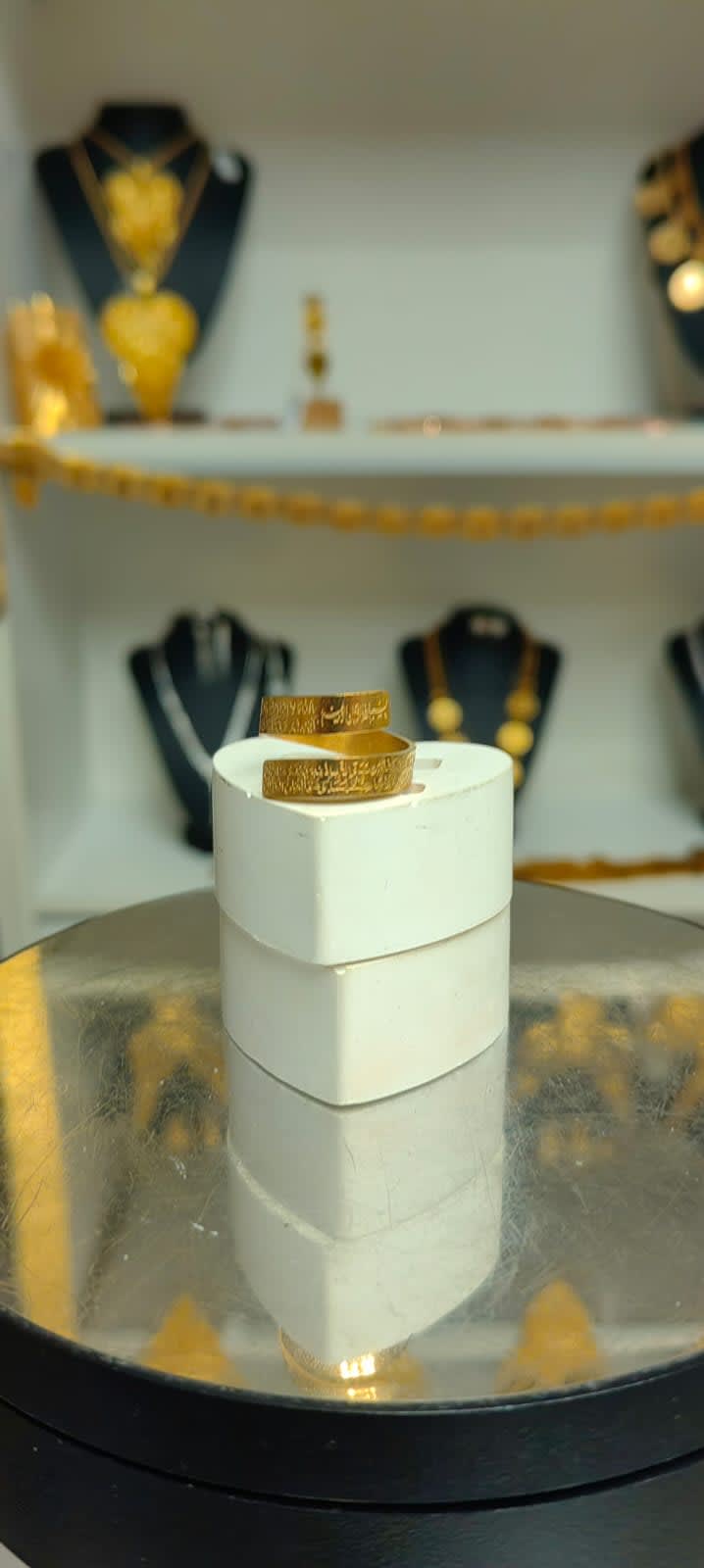
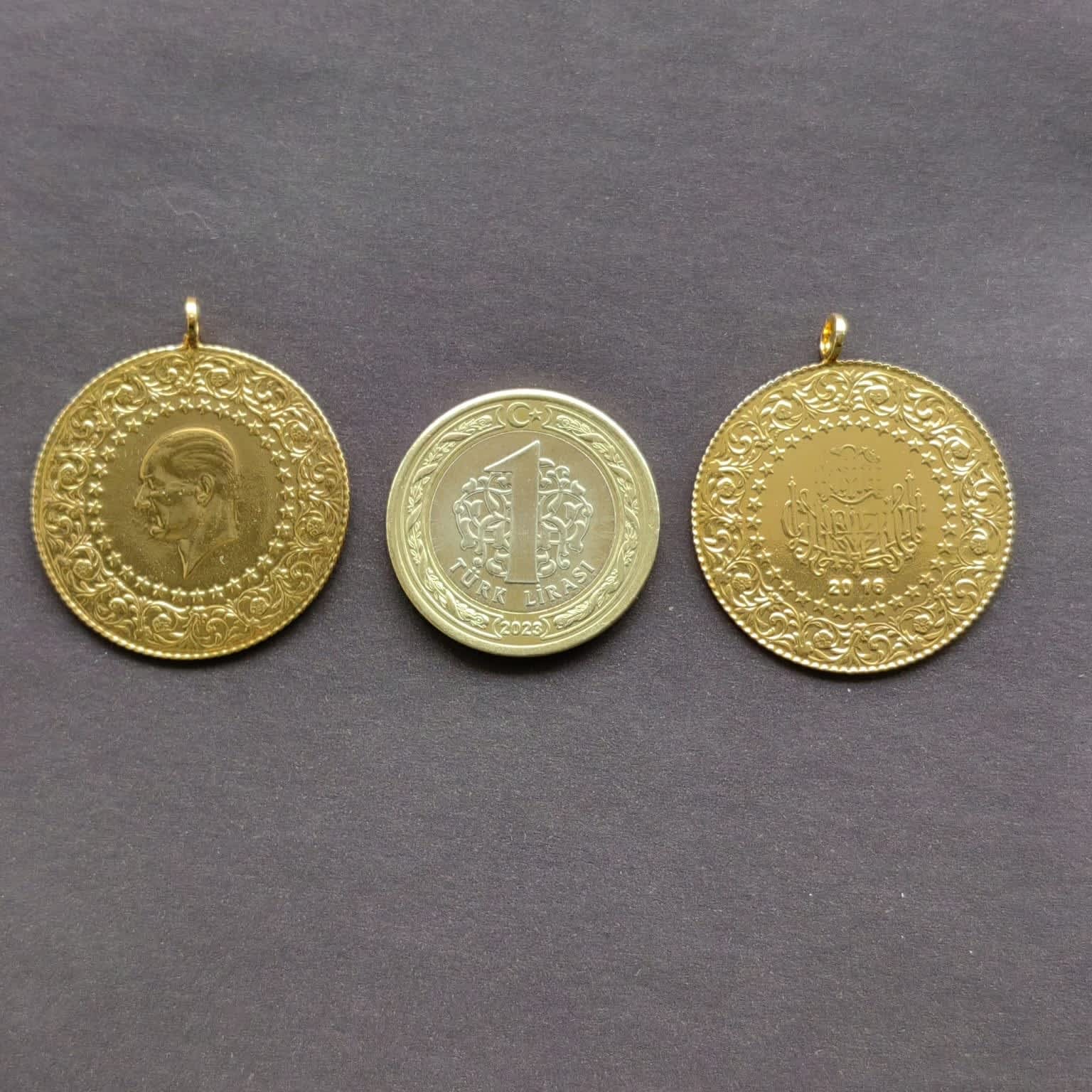
First, let's get to the core: what is "karat"? Consequently, gold plated ring karat is a quality indicator expressing the gold purity ratio (how many parts out of 24 are gold) and physical thickness (in microns) in the plating layer. Moreover, in fact, this information directly affects the lifespan, color stability, and perceived value of your jewelry. Indeed, while 18 karat plating (75% gold) is generally more durable than 24 karat (pure gold) plating, the micron thickness of the plating determines resistance to wear. Therefore, so how will you use this information practically? In addition, that's the real issue.
Understanding this topic makes you an informed buyer. In addition, you invest your money wisely.
Experts in the jewelry industry agree that karat and thickness information are the clearest reflection of a gold plated product's true value. In fact, consumers demanding these two data points is one of the most important factors increasing transparency in the industry in 2026.
However, theory must be put into practice. Actually, in our model such as Quarter Ring - YZZK003, we prefer a gold plating of 18 karat, 3 microns thickness that offers durability. But a good seller will clearly state this specification in the product description. In short: Gold plated ring karat indicates the amount and thickness of gold in the plating layer. Moreover, 18 karat plating can be more durable than 24 karat plating, while thickness (micron) determines wear resistance. In summary, understanding the correct karat is critical for the ring's lifespan and appearance. Because a good grasp of basic information provides a solid foundation for practical steps.
What is the Karat Difference Between PVD Plating and Electroplating?
Plating technology also affects the durability of the karat. Moreover, in the traditional electroplating method, gold ions are attracted to the base metal from a liquid solution by an electric current. Because in this method, karat depends on the purity of the gold salts used. In contrast, in PVD (Physical Vapor Deposition) plating, gold is vaporized and adhered to the surface as a very thin and homogeneous layer in a vacuum environment. However, PVD plating stands out with its incredible wear resistance, and karat information is generally guaranteed through process control. Nevertheless, according to 2026 data, the lifespan of PVD plated products is on average 60% longer compared to electroplated ones. That is, when answering the question how to identify gold plated ring karat, it is also necessary to consider the plating technology. Hence, knowing this difference helps you make a sustainable choice.
Why Does Karat Directly Affect the Ring's Lifespan and Value?
The logic is simple: Higher karat (e.g., 18K) and thicker plating (5+ microns) ensure the ring lasts longer against daily friction, sweat acidity, and mild chemicals. However, unfortunately, a thin or low-karat plating may only last a few months.