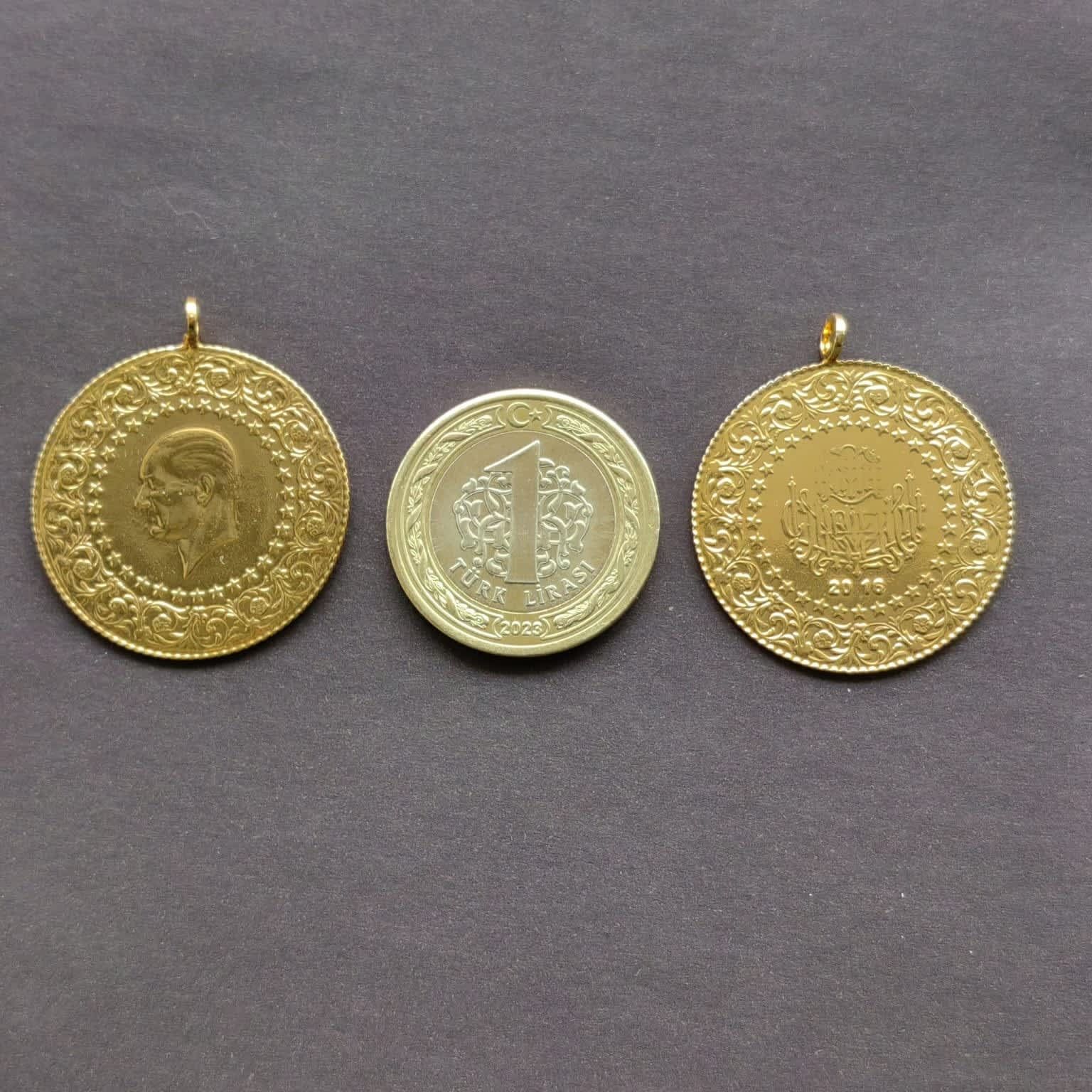
Finding the right jewelry isn't just about liking the design. Furthermore, in fact, how it is made and the technology used are much more important. On the other hand, this is exactly where gold plating techniques come into play. As a result, what's new in 2026? Moreover, three techniques stand out: PVD (Physical Vapor Deposition) for nearly scratch-proof durability, Electroplating for dazzling brightness, and Vacuum Plating for pure, untainted color tones. For example, in this article, I will explain the intricacies of each, which one suits your lifestyle, and a practical checklist to keep in hand when buying. In addition, my goal is to help you make a choice that is not only stylish but will also accompany you for years.
What Are Gold Plating Techniques and How Do They Work?

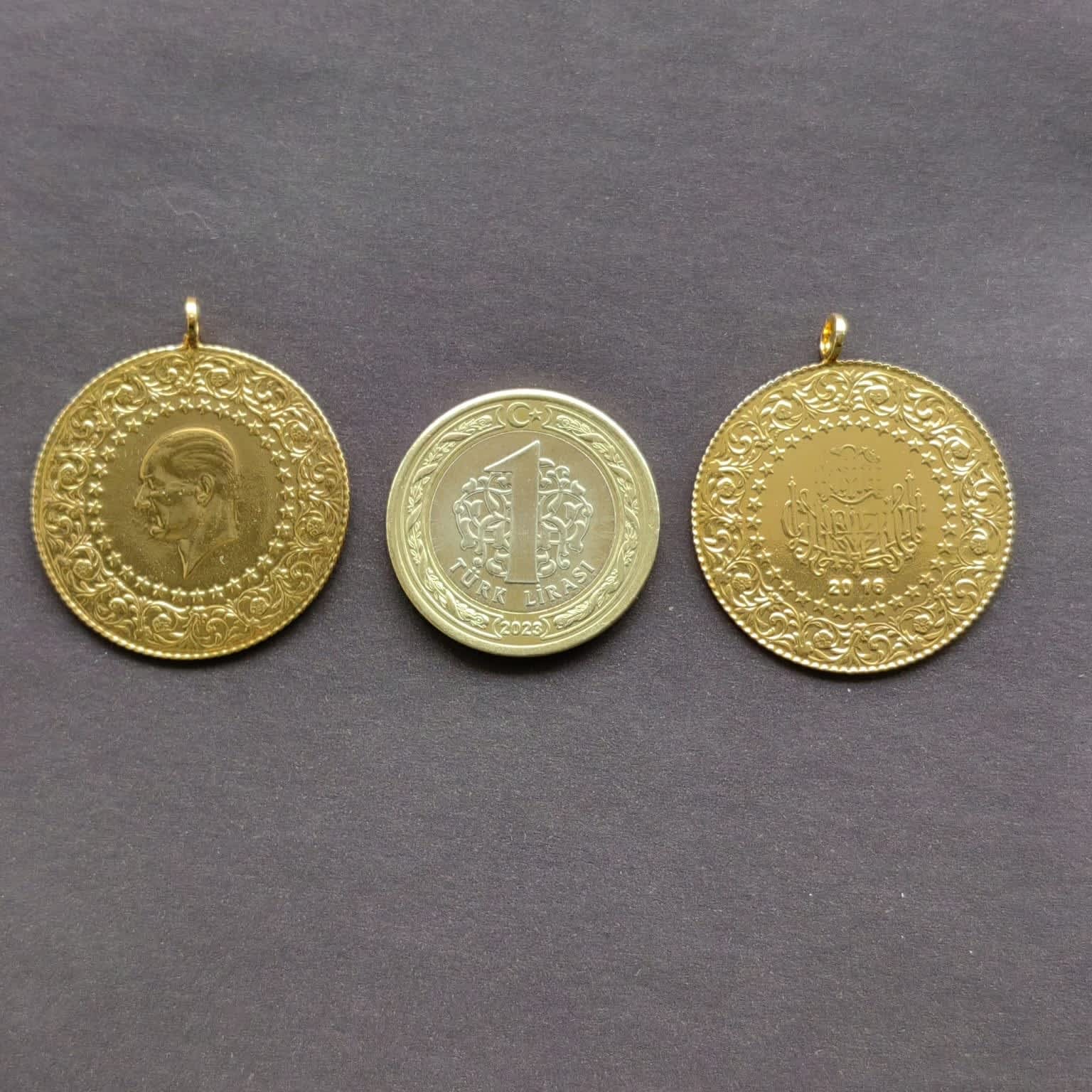
Frankly, what we call gold plating techniques are different ways of placing a layer of gold, far thinner than a millimeter, onto a base metal like steel or silver. Indeed, each technique differs in how it attaches the gold to the surface. Therefore, come what may, by 2026, these methods have become both more precise and more accessible. In addition, now let's take a look together at how these three basic techniques work. Thus, we will also discuss how the differences affect the lifespan of your jewelry. Besides this, for those curious, there is also a great Wikipedia resource on the history of decorative coatings.
What is PVD (Physical Vapor Deposition) Coating and How is it Applied?
PVD is a process that requires high technology. In fact, the process takes place in a vacuum chamber. Indeed, pure gold is evaporated with high energy, and this gold vapor fuses onto the surface of a material like steel at an almost atomic level. Furthermore, what emerges is a thin yet incredibly strong, wear-resistant film layer. In summary, our craftsmen in the workshop successfully use this technique on pieces like the 2 cm Demo Bracelet - BA20008.
How Does the Electroplating Method Work?
Electroplating is a more traditional and familiar method. In short, this technique involves a special liquid containing gold salts and an electric current. In summary, the base metal (such as copper or silver) acts as an electrode and is dipped into the solution. Because, when electricity is applied, the gold ions in the solution are attracted to and accumulate on the metal surface. However, this method allows for thicker coatings and gives the jewelry that full, classic brightness. Nevertheless, however, as thickness increases, flexibility may decrease, and the risk of cracking may arise.
What is the Place of Vacuum Plating Technique in 2026?
Vacuum plating works in a controlled vacuum environment similar to PVD. But it generally uses lower temperatures and different energy sources. However, this technique ensures that the gold vapor spreads incredibly evenly and homogeneously over the product surface. On the other hand, in 2026, the real strength of vacuum plating emerges in high-quality fashion jewelry that demands color purity and consistency. For example, it is a godsend for brands wanting to capture the purest form of special tones like rose gold or white gold. Consequently, from this perspective, among trending gold plating techniques, vacuum plating does not give up its throne in terms of color.
Which Gold Plating Techniques Are Most Popular in 2026?
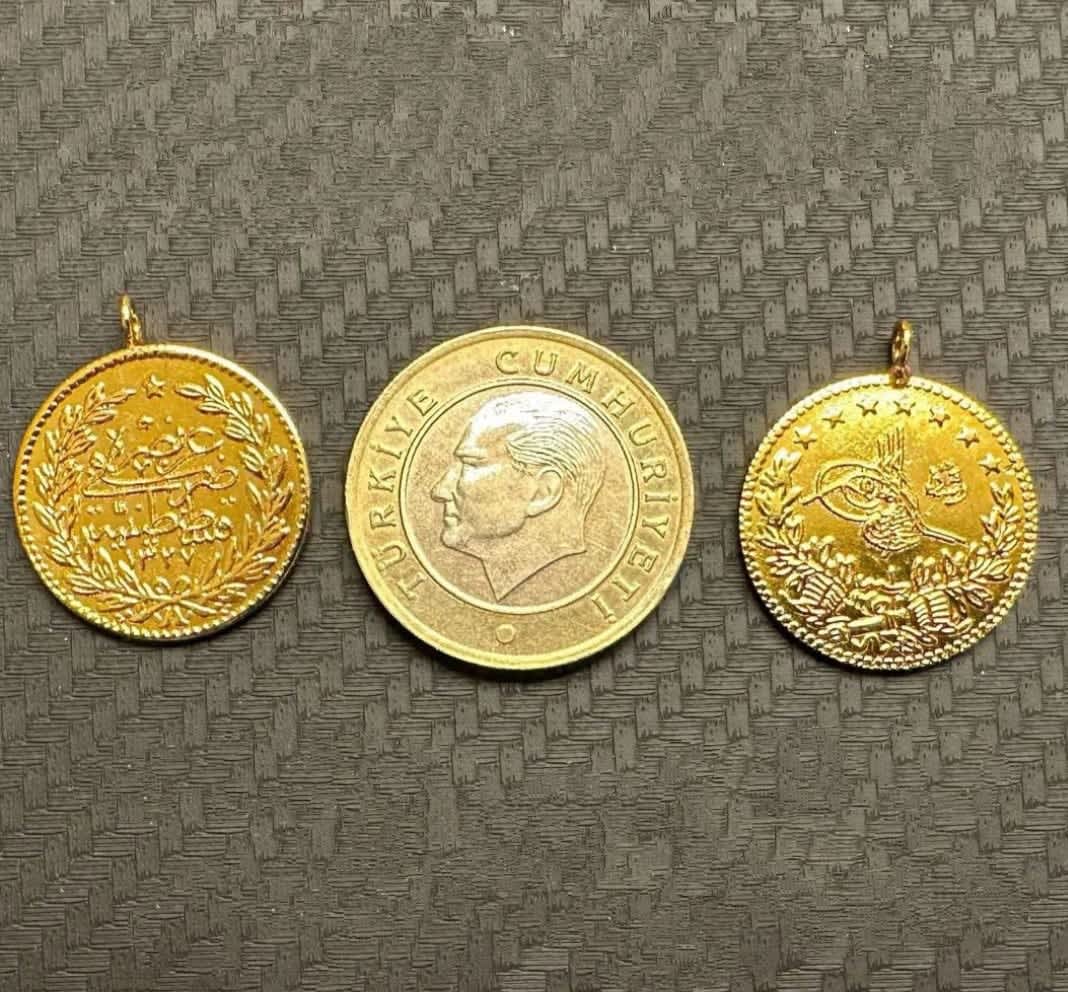
The year 2026 has seen some techniques stand out in the industry. Consequently, this year's trend is smart solutions that offer durability and aesthetics simultaneously. Here are the most popular gold plating techniques of this year and the features that make them indispensable. Industry research says nearly 60% of consumers now question the technical specifications of a product. Moreover, they are right!
2026 Trend: What Are the Advantages of Nano-PVD Coating?
Think of Nano-PVD as an upgraded version of traditional PVD. Moreover, in this technique, gold particles are reduced to nano sizes and bond to the surface in such a way that it becomes a second