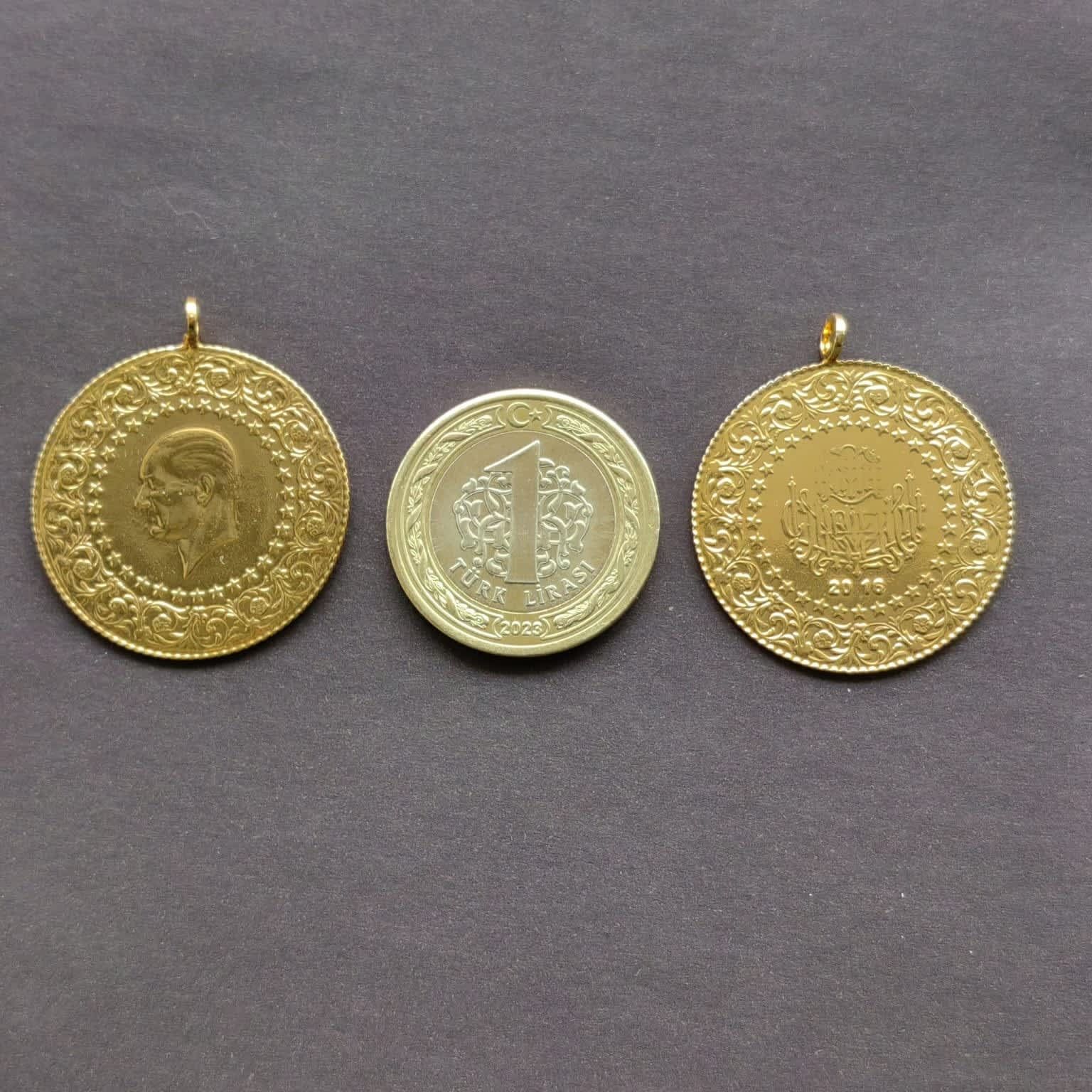
Do you know this fact? In addition, according to 2026 data, approximately 70% of gold-plated jewelry owners complain about their jewelry dulling over time. On the other hand, this is where the gold-plated jewelry polishing process, which gives a second life to your beloved accessories, comes into play. As a result, in this article, I will explain how you can achieve perfect results at home or professionally using current 2026 methods, the tips for maintenance, and this sparkling tradition from history. Moreover, with the right technique, it is possible to restore your jewelry's original shine. In addition, understanding the gold-plated jewelry polishing process correctly is the first step in protecting your valuable fashion jewelry.
What is Gold-Plated Jewelry Polishing and Why is it Necessary?

So what is gold-plated jewelry polishing? Moreover, it is actually a renewal process that removes fine scratches and the matte layer caused by use, sweat, or weather conditions. Indeed, thinking on a microscopic level, these small surface imperfections prevent light from reflecting properly; your jewelry looks dull. In addition, proper polishing exactly smooths these imperfections and brings back the shine. However, the trick is to level the surface without damaging the coating layer. But excessive or incorrect polishing can wear down that precious micro-coating. Furthermore, therefore, gold-plated bracelets and other models exposed to friction require extra caution. In summary, on the other hand, thanks to this process, you can use your jewelry stylishly for much longer.
This maintenance process is one of the smartest steps you can take to extend the life of your jewelry.
How does gold plating polish solve the loss of shine?
So how does polishing work? In addition, you apply special compounds with a soft cloth or brush. In short, these compounds usually contain very fine abrasive particles. In summary, these particles lightly file the edges of scratches, making the surface smooth again. That is, light now reflects evenly, and the lost shine returns instantly. In fact, this process is ideal for removing dullness on frequently used and contact areas. However, a professional gold-plated jewelry polishing adds aesthetic freshness to your jewelry. Furthermore, you can style your jewelry with more confidence. In short, each polish done with the right method virtually gives your jewelry a new life.
Does frequent polishing damage the jewelry?
Does frequent polishing damage the jewelry? That is, yes, if done uncontrollably it certainly does. However, because each process removes a few microns (many times thinner than a human hair) of the coating. Also, experts say that for quality gold-plated jewelry, at most one or two polishes per year are sufficient. On the other hand, instead of constantly polishing your jewelry, you can extend the shine period with regular and gentle cleaning. Therefore, this way you both protect the coating and increase the life of your jewelry. Moreover, adjusting the frequency of gold-plated jewelry polishing is therefore critically important. Indeed, consulting an expert on this matter is the safest approach.
How to Polish Gold-Plated Jewelry at Home in 2026?
Polishing gold-plated jewelry at home in 2026 has become quite easy thanks to user-friendly products available on the market. Therefore, the first step is to choose the right material. As a result, microfiber cloths and alcohol-free polishing solutions specifically designed for gold plating are the safest options. Moreover, natural alternatives like toothpaste are risky due to their abrasives; they should only be used in emergencies and very gently. Because, especially, the special solutions among the gold-plated jewelry polishing types are both safe and effective. Because indeed, you need to be careful when choosing these products.
For example, while polishing a Beşi Bi Yerde Chain - ZA009 model that requires fine craftsmanship, you should wipe each link separately with circular, gentle movements without pressing hard. However, in such chains, make sure not to trap the polish between the links. Pay attention to...