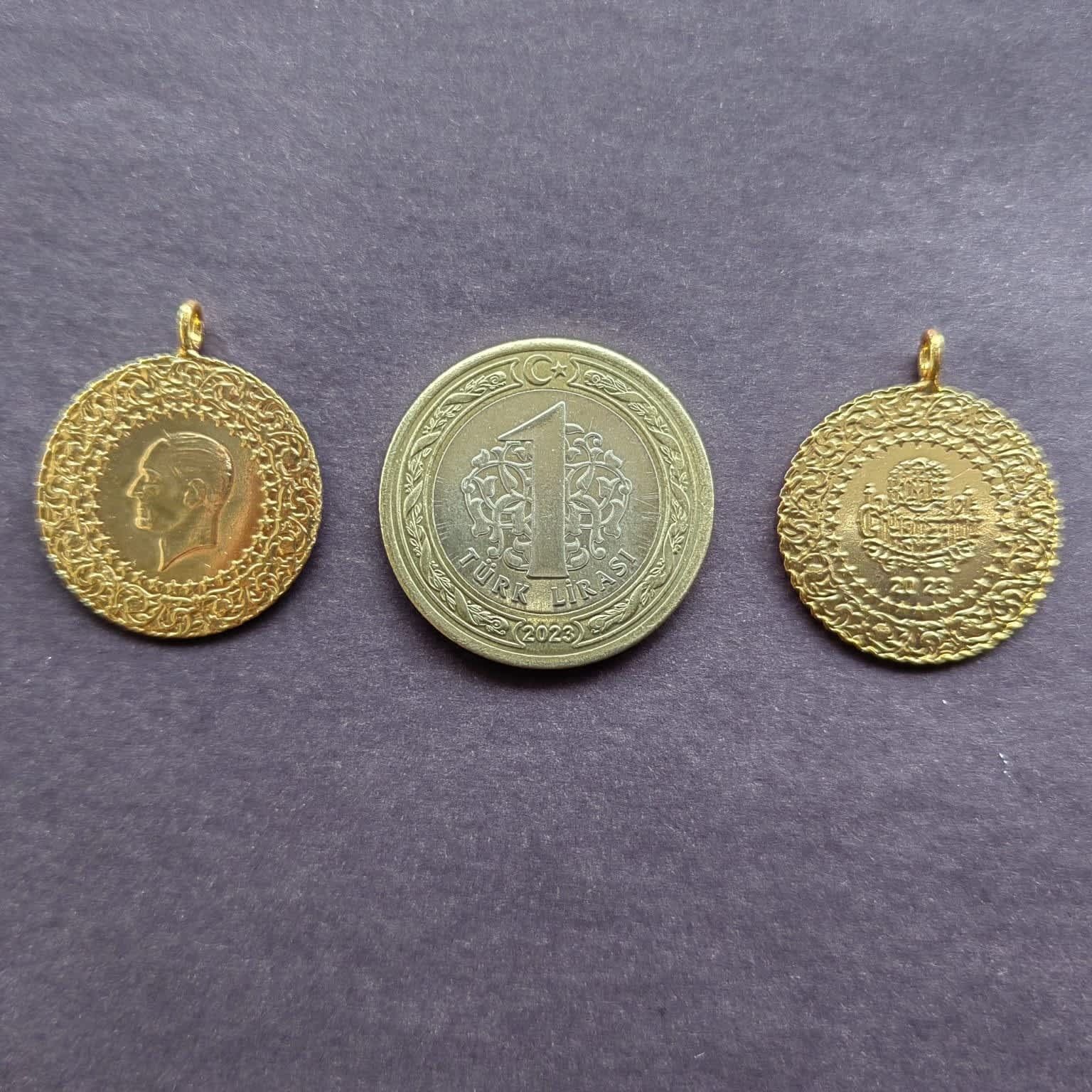
Have you ever thought that a piece of jewelry's lifespan is determined not by the gold, but by the material beneath it? That's right, you heard correctly! A well-chosen base material allows your jewelry to shine brightly for years, just like the first day. So, what are these gold plating material types that play such a critical role? As we enter 2026, thanks to technology and conscious consumers, we are faced with an incredible variety. With over a decade of industry experience, I have compiled the intricacies, advantages, and essentials of each material for you. All the details you need for the right choice are in this guide.
What Are the Basic Material Types Used in Gold Plating?
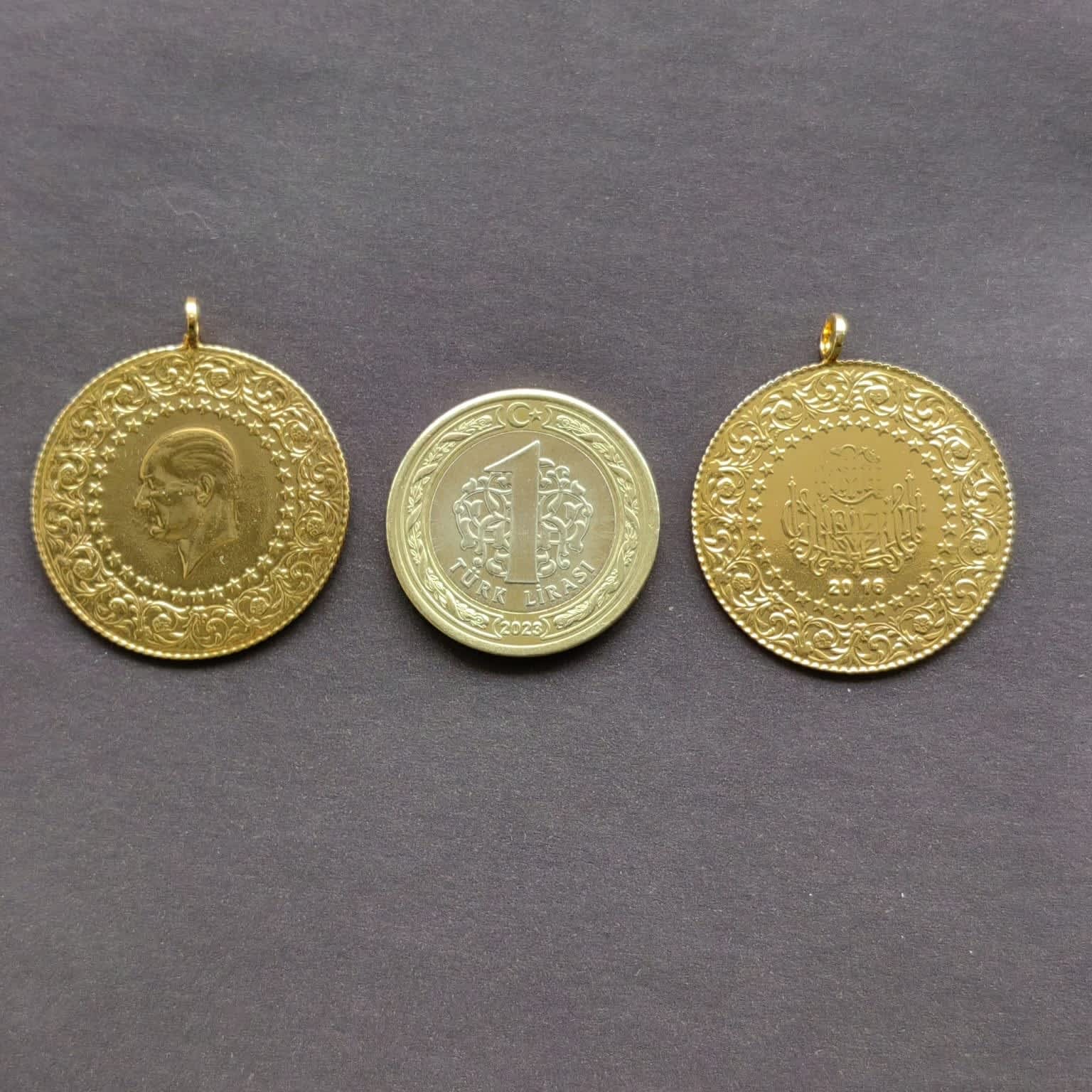

Gold plating is a craft that requires skill, applied over a "base" material. Moreover, the quality of that base directly determines the final product's quality. Essentially, gold plating material types fall into four main groups. Knowing these well gives you great confidence in your purchasing decision. Understanding the unique characteristics of each material is the first step toward long-term satisfaction. Therefore, you must consider long-term use when making a choice. Additionally, knowing these basic types provides a significant advantage in your online shopping.
Why is 316L Steel Gold Plating Preferred?
I would call it the backbone of modern jewelry making. 316L stainless steel, especially in its nickel-free form, reduces allergy risk to almost zero. Frankly, it shows incredible resistance to water, sweat, and oxidation. The gold plating applied over this hard, smooth surface adheres perfectly. In summary, it is a first-class choice for bracelets, rings, and earrings worn daily. For instance, many pieces where you expect durability, like our Dice Model Necklace, are made from this material. With proper care, the plating on steel can maintain its shine for 2-3 years. Furthermore, our master craftsmen consider this material among the most durable gold plating material types.
What Are the Advantages of Gold Plating on 925 Silver?
The meeting point of luxury and performance. In short, 925 sterling silver, already a precious metal, gives the plating a warmer, deeper shine. The gold plating perfectly covers silver's tendency to tarnish upon contact with air. You can combine both the value of silver and the splendor of gold in a single piece of jewelry. Since silver is a soft metal, detailed and delicate engravings can be made on it, increasing design diversity. This combination offers the most elegant options for special occasions among gold plating material types. In short, it is a valuable and eye-catching choice.
How is Plating Done on Brass and Copper Alloys?
Economical and colorful alternatives. Brass and copper provide a cost-effective base for gold plating. However, these alloys can oxidize over time, and the risk of allergic reaction may be higher compared to steel or silver. Therefore, they are generally used in more trend-focused, seasonal pieces. For a piece where you expect long-term durability, I recommend opting for 316L steel or 925 silver. When choosing these kinds of gold plating material types, consider your frequency of use.
These models often stand out during more affordable promotional periods.
New Trend: Zamak Alloy and Its Properties
Zamak alloy (a mix of zinc, aluminum, magnesium, and copper) has recently become common in cast jewelry. So, why? This material allows for the cost-effective production of complex and detailed shapes. However, it is less durable than steel and may carry allergy potential. Therefore, it is ideal for accessory pieces not used frequently. Among gold plating material types, you can look for Zamak more in decorative, low-budget pieces. If you are not making an investment purchase, such fashion jewelry might interest you.
| Material | Durability | Average Cost | Plating Compatibility | Best Use Case |
|---|---|---|---|---|
| 316L Stainless Steel | Very High | Medium | Excellent | Daily Wear Jewelry (Bracelet, Earring, Ring) |
| 925 Sterling Silver | High | High | Very Good | Special Occasions, Detailed Designs, Pendants |
| Brass Alloy | Medium | Low | Good | Trend & Seasonal Accessories, Large Statement Pieces |
| Copper Alloy | Low | Very Low | Medium | Infrequently Worn Decorative Items |
Which Gold Plating Materials Are Most Preferred in 2026?
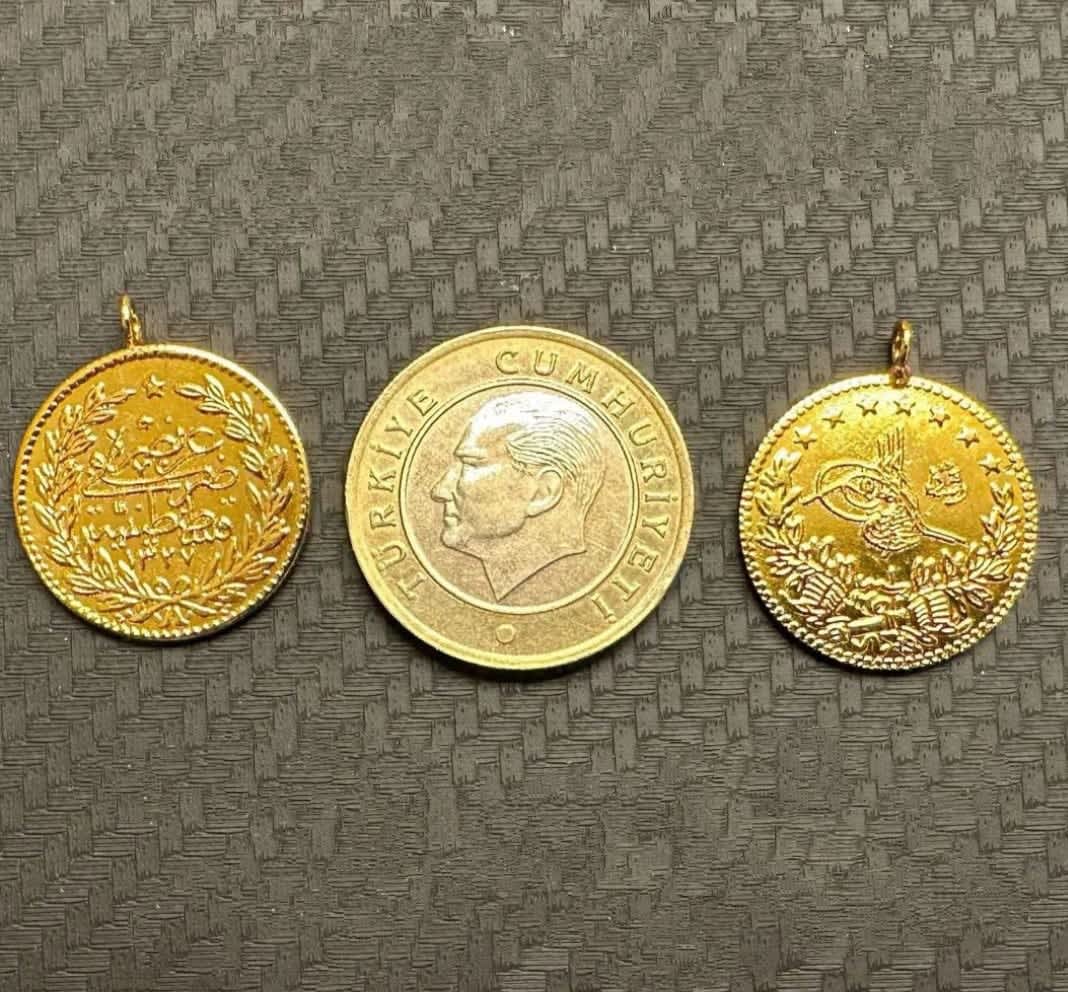
2026 is a period where conscious consumer choices come to the fore. People are now looking for products that are not only beautiful but also healthy and planet-friendly. Gold plating material types are evolving in this direction. Here are the prominent material trends for 2026. These trends are shaping not just fashion, but production ethics and sustainability. This conscious approach means higher quality, longer-lasting products for you. 2026 models are built on both aesthetic and ethical values.
How is the Hypoallergenic Material Trend Shaping Up in 2026?
As awareness of common allergen metals like nickel and cobalt increases, the "hypoallergenic" label has become a standard, not a luxury. In 2026, nearly all quality manufacturers base their products on nickel-free materials like 316L steel or pure silver. This trend is very evident in jewelry that directly contacts the skin, such as our Indian Earrings. The vast majority of our customers now ask "Does it cause allergies?" as their first question. Many brands in the sector highlight the hypoallergenic feature in their product descriptions. When purchasing gold plating material types, looking for this feature is now a necessity.
This situation is actually an indicator of the increase in consumers' health awareness.
Why Have Sustainable and Recycled Materials Gained Importance?
Sustainability has moved from being a marketing argument to the center of production. In 2026, the use of recycled 925 silver or stainless steel has shown a significant increase. These materials reduce the environmental footprint while offering the same quality and durability. You can also inquire about manufacturers' policies on this matter when purchasing. An environmentally friendly choice also means a long-lasting piece of jewelry. Institutions like the Republic of Turkey Ministry of Environment, Urbanization and Climate Change play an important role in raising consumer awareness through published sustainability reports. In short, sustainable gold plating material types are a smart investment for both your personal style and the planet.
Lightweight and Durable: What Do Titanium Coatings Offer?
Technology's gift to the jewelry world. Titanium is lighter than steel but almost as strong. Expert jewelers can create an incredibly thin and durable layer using the PVD (Physical Vapor Deposition) gold plating technique on it. This combination is especially preferred in sports jewelry or minimal, lightweight chains. Although not yet widespread, I can say it is a rising star as of 2026. Titanium is also a hypoallergenic metal and extremely resistant to body fluids. Titanium stands out as the lightest and most technological among gold plating material types.
What to Consider When Choosing Gold Plating Material Types?
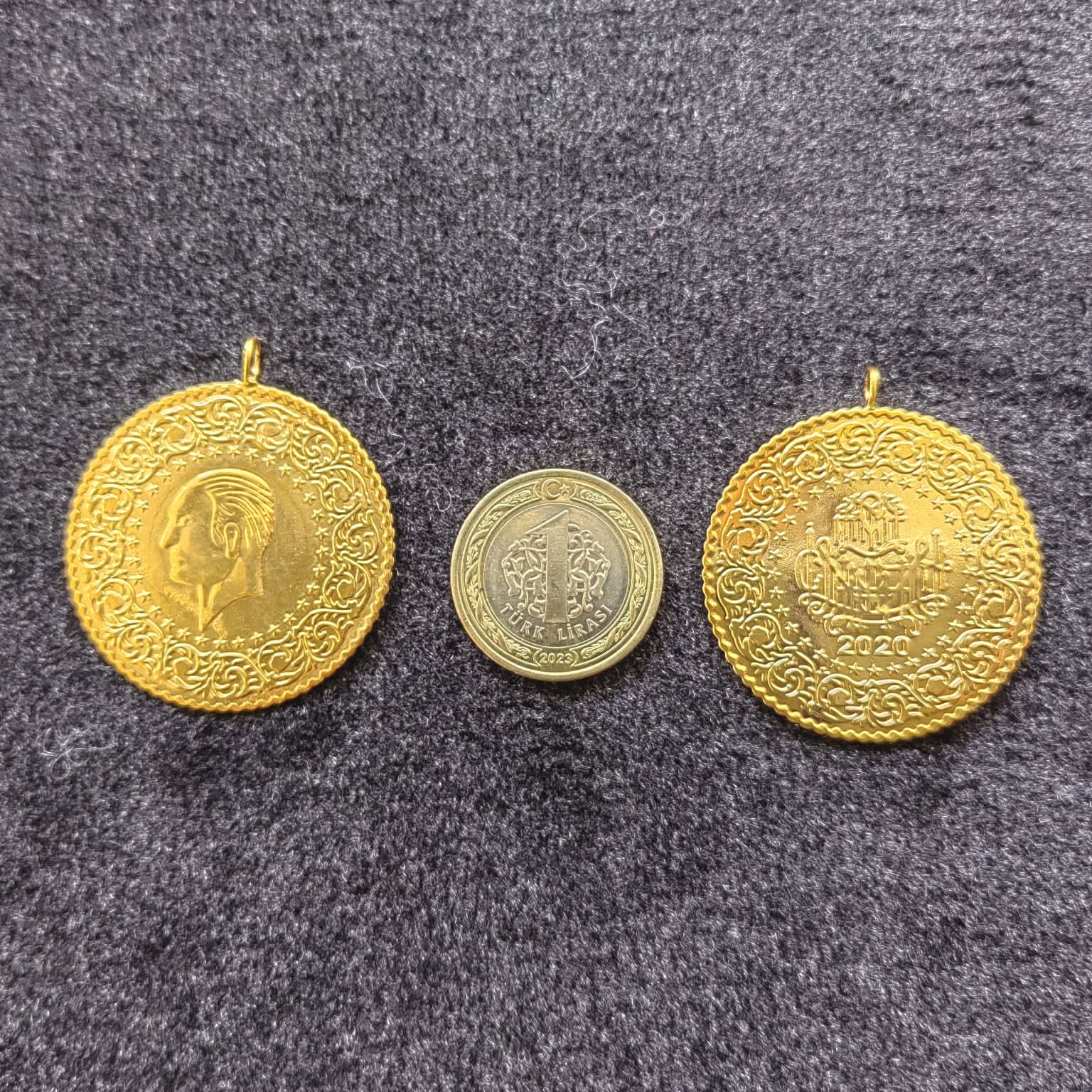
A quality gold-plated product is an investment that will accompany you for many years. To make the right investment, you need to look not only at the design but also at the values beneath it. Here are the golden rules to check when choosing among gold plating material types. Reviewing these details when shopping online will prevent disappointment. By focusing on the factors below, you can find the right choice for yourself.
What is the Relationship Between Material Quality and Plating Lifespan?
There is a direct and strong relationship. No matter how thick and good the plating is on a rough, low-cost base metal, the plating can crack or peel. A hard and homogeneous surface like 316L steel ensures the plating adheres firmly, almost like being engraved on marble. You can clearly observe this relationship in sturdy models like our Lock Twist Bracelet. Our master craftsmen can increase the plating's lifespan by up to 40% by choosing a quality base material. When evaluating gold plating material types, you should focus not only on the plating but also on the underlying base material. This approach will also provide significant long-term savings.
What Does Plating Thickness (Micron) Mean and How is it Checked?
Micron (µm) is a unit of measurement that shows how "deep" the plating is. 1 micron is one-thousandth of a millimeter. Always look for this value specified by the manufacturer before purchasing. 2-3 microns is ideal for a good daily-wear piece of jewelry. However, in many economical products, this value can drop below 0.5 microns, causing the jewelry to lose its color within a few months. When purchasing gold plating material types, be sure to inquire about the plating thickness. Reliable sellers share this information clearly in product descriptions.
Which Material is More Suitable for Which Plating Technique?
Material and technique must be in harmony. For example:
- PVD Coating: Creates very thin and hard layers. Perfectly compatible with hard metals like 316L steel and titanium. More expensive but longer-lasting.
- Electrolysis (Electroplating): A more traditional method. Effective on metals like silver, brass, and copper. Lower cost and allows for thicker platings.
Keep these technical differences in mind when shopping online.
"A piece of jewelry's soul is in its design, but its lifespan is in the material you use. We are not just selling something beautiful to the customer; we are giving them confidence. That's why we never compromise on base material selection." - Master Jeweler Mehmet Erdem, 25 Years of Experience
Frequently Asked Questions About Gold Plating Material Types
Which is the most durable among gold plating material types?
Undoubtedly, 316L quality stainless steel. Its high resistance to water, sweat, and impact makes it the champion for daily use. The plating on it also lasts much longer thanks to this solid foundation.
Which material should I choose when buying a gold-plated set?
It depends on your purpose. For a daily, constantly worn set, 316L steel is the safest choice. If you're looking for a more luxurious feel for special occasions, you can opt for gold-plated 925 silver models. You can find the one that suits your style by examining the different gold plating material types in our collection.
Do gold-plated jewelry on brass material tarnish?
Yes, the likelihood is higher compared to other materials. Brass can oxidize by reacting with moisture and sulfur compounds in the air. However, this process can be slowed with proper care and storage in a dry environment.
How thick should gold plating be?
A thickness of 2-3 microns (µm) is ideal for good durability. Very thin platings (below 0.5 µm) can wear out quickly. Look for this information in product descriptions; quality manufacturers clearly state the plating thickness.
What should I pay attention to when buying gold plating material types online?
First, make sure the product description clearly states the material information (like 316L steel, 925 silver) and plating thickness. Second, read real user reviews. Finally, prefer reliable sites that offer product variety, like our 2026 gold plated jewelry models page.
What Are the 3 Main Factors Affecting the Prices of Gold Plating Materials?
If you're curious about the realities behind the differences in price tags, you're in the right place. There are three fundamental elements that determine the price scale of gold plating material types. Knowing these factors helps you find the most suitable and highest quality option for your budget. Instead of focusing solely on price, evaluating how these factors contribute to the product's lifespan will be wiser. An economical choice may end up costing you more in the long run. Understanding the elements that make up the price is very important.
How Does the Type of Base Material Affect the Price?
This is the most obvious factor. 925 sterling silver is much more valuable as a raw material than 316L steel. A gold-plated necklace on silver will naturally be more expensive than the same design in steel. Brass and copper alloys offer the most economical options. The critical point here is to evaluate the material price in terms of its contribution to the jewelry's total lifespan. Different gold plating material types appear at different price points. When setting your budget, be sure to consider the type of material you are purchasing.
What is the Cost Difference Between PVD and Electrolysis Plating?
PVD (Physical Vapor Deposition) plating is a process that requires vacuum chambers and high technology. Setup and operating costs are high. Electrolysis plating is a more traditional and widespread method. Consequently, PVD plating on the same material can be 30-50% more costly than electrolysis. However, the wear resistance and color stability provided by PVD justify this difference in the long term. The technique used for gold plating material types also directly affects the price. If you prioritize durability, opting for PVD-plated products will be more logical.
Why Does the Price Increase When Plating Thickness Rises?
Simple logic: More gold usage means higher cost. A 5-micron plating uses five times more gold than a 1-micron plating. Products marketed as "heavy gold plating" or "thick plating" have higher prices. These types of products are ideal for classic pieces meant for lifetime use. In your online shopping for daily gold plating material types, plating thickness information will help you understand the price difference. This information also helps you understand the kind of quality-offer you are getting during promotional periods.
Which Gold Plating Material is Most Suitable for Different Types of Jewelry?
Each piece of jewelry has its own function and physical conditions it is exposed to. Therefore, different gold plating material types stand out for different jewelry types. By making the right match, you can protect both your elegance and the health of your jewelry. Where and how your jewelry will be used should be the most important criterion in your material selection. There are options optimized for each jewelry type. This way, you choose the most correct foundation for each of your accessories.
Which Material Should Be Chosen for Durability in Bracelets and Rings?
These pieces of jewelry are exposed to the most friction and impact. A ring hitting a table, a bracelet bumping into a doorknob... For all these tough conditions, 316L stainless steel is unrivaled. Its hard structure resists deformation and makes it harder for the plating to scratch. Sturdy yet delicate-looking models like our Thin Double Twist Bracelet are produced based on this principle. These kinds of gold plating material types withstand the rigors of daily life. I recommend choosing steel-based models for your bracelets and rings.
Which Material Types Reduce Allergy Risk in Earrings?
The earlobe is a particularly sensitive area. You must be very selective about materials when choosing earrings. Nickel-free 316L steel or pure 925 silver are the safest options. These materials minimize the risk of inflammation in the ear piercing. The hypoallergenic feature is my first priority recommendation to my customers for earring selection. For sensitive skin, you should choose hypoallergenic options among gold plating material types. This choice will provide long-term comfort.
Which Material Provides Flexibility and Shine in Chains?
A thin chain needs to be both flexible and resistant to breaking. To achieve this balance, specially designed high-quality steel alloys are used. These alloys are resistant to bending and, thanks to the smoothness of their surface, allow the gold plating to distribute evenly and shine brightly. Our non-tarnish gold plated chain options are produced exactly according to these principles. There are gold plating material types specially developed for chains. These materials guarantee the chain is both lightweight and sturdy.
Care Recommendations for Different Gold Plating Material Types
Regardless of the material you choose, you can significantly extend the life of your jewelry with proper care. There are special care tips for each group of gold plating material types. I recommend applying the advice below according to the material type of the product you purchased. Your jewelry will always remain as shiny as the first day. These simple care steps will turn your jewelry into an investment. Care routines also vary for different types.
316L Steel Jewelry: They form the most durable group. You can clean them with a soft soapy cloth, rinse, and dry with a soft cloth. Keeping them away from chemical cleaners and abrasives is sufficient. 925 Silver-Based Jewelry: Although the gold plating protects the silver, keeping it away from moisture is important. Store your jewelry in a dry box or anti-tarnish bag. Brass/Copper Alloy Jewelry: As they are more prone to oxidation, wiping with a damp cloth after wearing and storing in a dry place is very important. Never wear them in the shower or pool.
Best-Selling Gold Plating Material Type Models
Our customers' preferences are an indicator of which material and design combinations are most appreciated. For you, I have compiled a few of our best-selling models produced using different gold plating material types. This list serves as a guide both for keeping up with trends and for your peace of mind regarding durability. For example, our Zircon Stone Necklace model, with its 316L steel body and brilliant-cut zircon stones, is a favorite of those seeking both elegance and durability. Additionally, our Wicker Necklace model stands out with its special wicker weave technique and thick plating applied on a brass alloy.
In combination products like the Five-in-One Chain Set, you can see multiple gold plating material types together.
These popular models concretely showcase the diversity offered by different material options. By examining these models, you have the opportunity to see the different types firsthand. I strongly recommend exploring the gold plating material types models in our collection.
As you can see, gold plating material types constitute a much broader and more technical world than we might think. Choosing the right material directly affects the duration and quality of your relationship with your jewelry. In 2026, we are all more conscious consumers. I hope this guide sheds light on your next gold plating purchase. Now, it's time to apply what you've learned! Explore the different material options in our collection right now and choose the one most suitable for your style, budget, and needs. Remember, a good piece of jewelry is not just an ornament; it is a form of expression; start with a solid foundation to carry it.
Sources and References
- For detailed information on Gold Plating Techniques and Standards: International Organization for Standardization (ISO).
- Regarding Hypoallergenic Materials and Allergen Tests: ASTM International standards.
- For reference on Turkish language usage and terms: Turkish Language Institution (TDK) Current Turkish Dictionary.