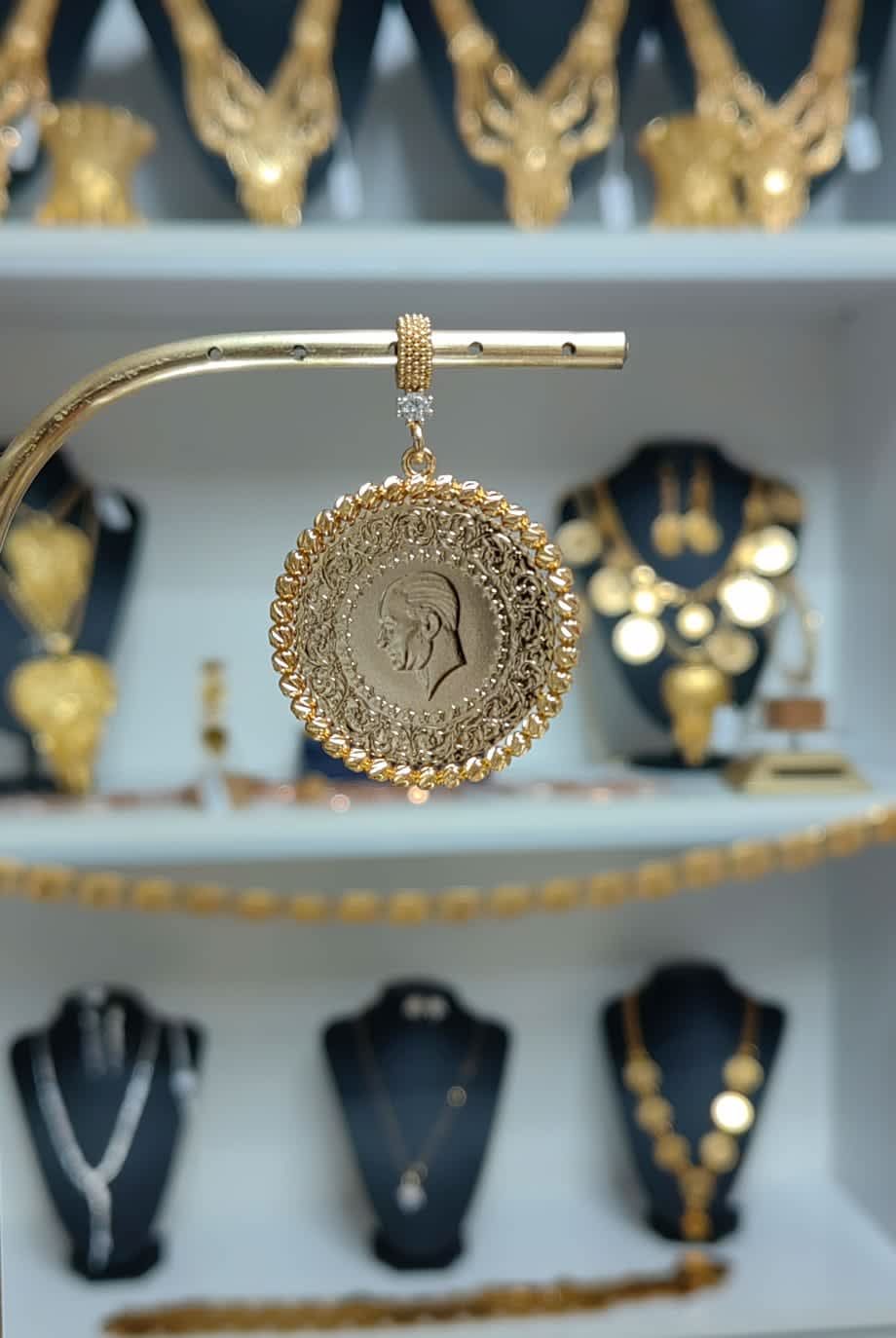
Gold plated jewelry is the crown jewel for those seeking both eye-catching style and affordability in 2026. But with dozens of options, how do you choose a piece that won't lose its shine for years? The trick lies in understanding gold plating quality. The right thickness, the right technique, and a robust base material... Indeed, all these factors determine whether your jewelry will still look "brand new" even two years later. From what we've seen in the industry over the years, those who know these 7 critical factors end up with truly lifelong pieces. Let me explain.
What is Gold Plating Quality and How is it Evaluated?
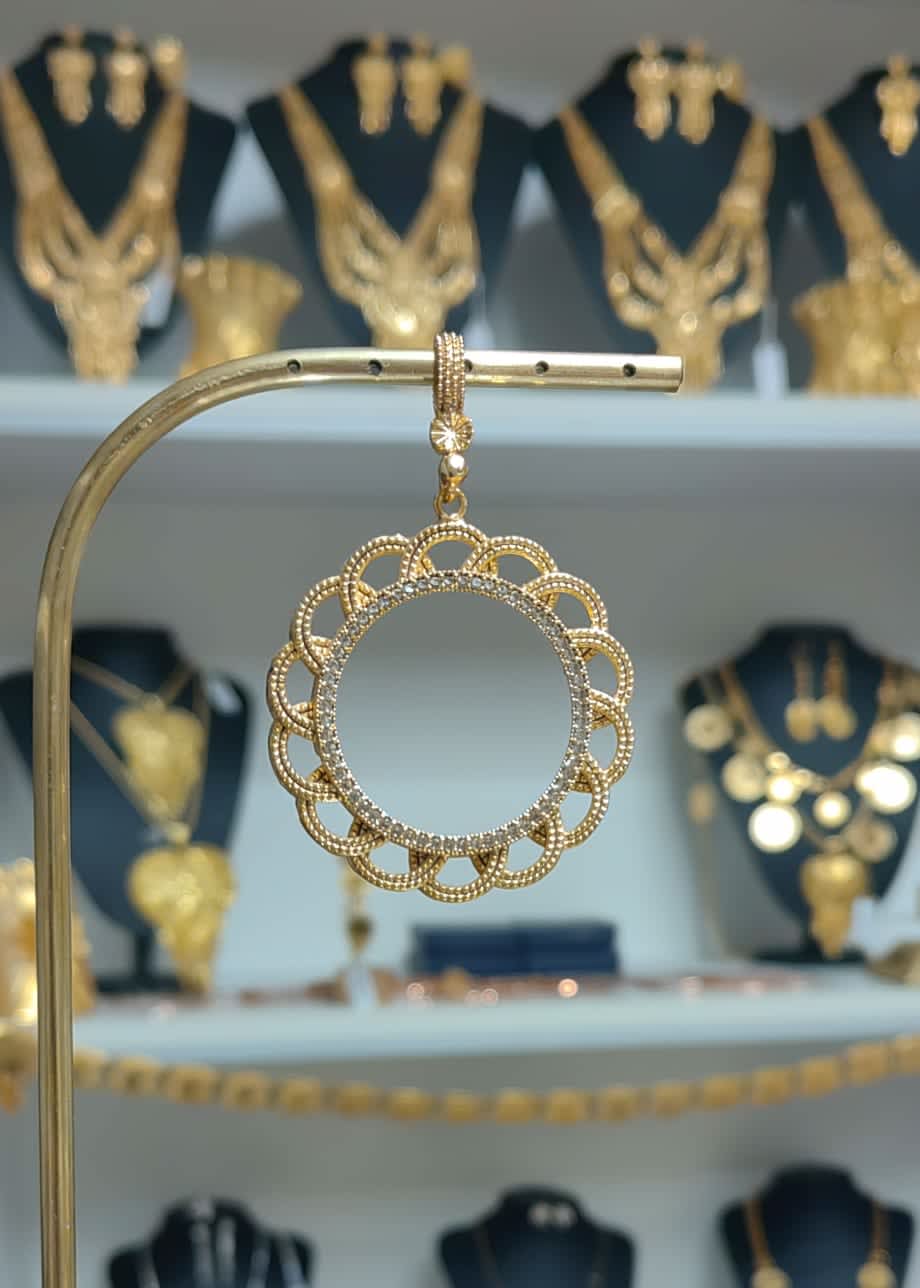
So, what is gold plating quality? Is it just about a shiny appearance? No. It is the sum of the jewelry's durability, how long it will accompany you, and the craftsmanship infused into every detail. High quality means maintaining that initial "wow" feeling for months, even years. When evaluating it, you look at three things: technical details (thickness, plating method), aesthetic integrity (vibrancy of color, shine), and of course, durability. In short, how does time and use affect it?
In imitasyon jewelry, those who overlook these details often end up disappointed. Frankly, look at the technical specifications before the price. This won't mislead you.
4 Basic Criteria That Determine Gold Plating Quality
To understand if a product is truly valuable, keep these four points in mind. Moreover, they are all intertwined.
- Plating Thickness (Microns): A micron (µm), one-thousandth of a millimeter, indicates how much material the plating contains. 1 micron is incredibly thin, about 5% of a human hair. For daily use, 3 microns is ideal; for pieces worn continuously, 5 microns and above is recommended.
- Base Metal Quality: This is the primary metal the gold adheres to. 316L stainless steel or 925 sterling silver are the most reliable options for both sturdiness and reducing allergy risk. No matter how high the gold quality, it won't last on a poor base.
- Plating Technique: How is the gold layer applied? Electrolysis (electroplating) is traditional and common, while the PVD (Physical Vapor Deposition) technique is aiming for the peak of durability in 2026. Shine and wear resistance depend directly on this.
- Finishing and Quality Control: This is where the details are hidden. Edge finishing, hinge function, sturdiness of stone settings... These reveal how much respect the manufacturer has for their craft. In short, what we call gold plating quality is hidden in these unseen subtleties.
Reading Quality in Online Shopping
When buying jewelry online, you don't have the chance for a physical inspection, that's true. So, take a different approach. First, reliable sellers state technical details clearly—like madgoldimitasyon.com. Read the descriptions word for word. Furthermore, the quality of product photos speaks volumes. For example, in a gold plated bracelet model, if you don't see any edge roughness even in the photo, that's a sign of excellent craftsmanship. Look, it's at this stage that the details speak.
Gold Plating Techniques: PVD, Electrolysis, and Rhodium
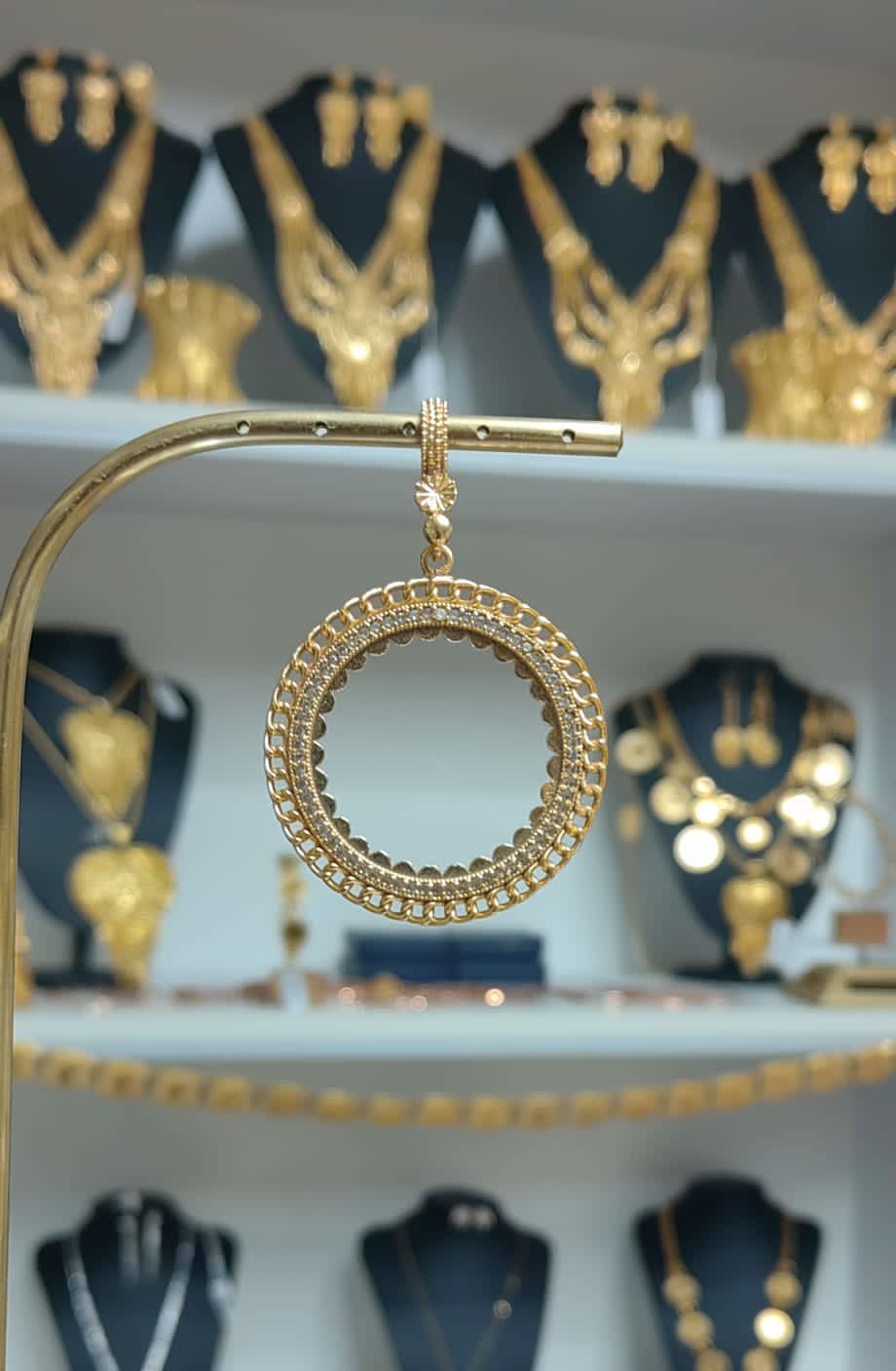
How the gold adheres to the base is one of the most important factors determining its lifespan. As of 2026, there are three main techniques, each catering to different needs. Knowing this difference in your search for gold plating quality clarifies your decision. Therefore, it's essential to know what each technique offers. The table below will provide a good roadmap.
| Plating Technique | How It Works | Advantages | Ideal Use |
|---|---|---|---|
| Electrolytic Plating | Gold ions are bonded to the base metal using a chemical bath and electric current. | Widespread, economical, provides good shine. | Daily, special occasion jewelry, and frequently changed fashion pieces. |
| PVD Plating | Gold vapor is physically sprayed onto the base metal in a high vacuum environment. | Creates a much thinner but much harder and more wear-resistant layer. Color fading is slower. | Pieces worn continuously where durability is expected, like rings and bracelets. |
| Rhodium Plating | Typically via electrolysis, a thin layer of rhodium is added on top of the gold plating. | Adds extra, white and cool shine. Provides superior protection against tarnishing and acid. | Jewelry desired to have a white gold appearance and for sensitive skin. |
Which Technique is More Durable?
When it comes to durability, the PVD technique generally stands a step ahead. The reason is simple: the layer it creates is much tighter and more homogeneous than traditional electrolysis. A PVD plating of the same micron thickness can last nearly 50% longer than electrolytic plating. If you're thinking of a long-term investment, I'd suggest leaning towards PVD products. It gives magnificent results, especially in wedding bands and bracelets.
Rhodium Plating: Extra Shine and Protection
Rhodium is a metal similar to platinum, hard and dazzling. When applied to white gold-look jewelry, it not only gives a luxurious sparkle but also protects the underlying gold like a shield against sweat, cosmetics, and sulfur in the air. The tarnishing process slows down incredibly. To see the power of this technique, take a look at the Indian Earring - HKPL003 model. That white brilliance is the work of a superior rhodium plating. Both style and peace of mind.
The Latest Trend in Technique Selection: Hybrid Applications
Recently, hybrid techniques are on the rise, especially in high-end products. Some manufacturers first lay a solid base with PVD, then add extra shine with electrolysis on top. When purchasing, don't settle for just "PVD", ask about the process order as well. This approach aims to combine the advantages of different techniques for the best gold plating quality. Interesting, isn't it?
How durable is gold plating and does it scratch?
Durability depends on plating thickness and technique. A quality plating of 3-5 microns can last for years with normal use. But remember, like all jewelry, it can scratch if exposed to hard impacts and abrasives. I recommend removing it during sports or housework. A simple precaution means a long life.
What is the difference between gold plating and gold-filled (RGP)?
RGP (Rolled Gold Plated) is when a thicker layer of gold is mechanically rolled and bonded to a base metal, and is generally considered more durable. Standard gold plating is a thinner layer applied via different techniques like electrolysis or PVD. Both techniques offer different levels of gold plating quality.
Do gold plated products tarnish and how can it be prevented?
Sweat, chlorine, sulfur-containing cosmetic products, or weather conditions can cause the plating to change color over time. To prevent tarnishing, keep products away from chemicals, clean them regularly with a soft cloth, and avoid storing them in humid environments. Also, protective layers like rhodium plating significantly slow this process. A little care is enough!
What does gold plating thickness (micron) mean and how much should it be?
1 micron (µm) is one-thousandth of a millimeter. For daily jewelry, a minimum of 1-3 µm is recommended; for more durable and frequently worn pieces, 3-5 µm; and for high-end products intended for lifetime use, 5 µm and above. This value is one of the most important pieces of the overall gold plating quality picture.
How should gold plated products be cleaned and maintained?
Clean gently with warm water, a mild soap, and a soft brush (toothbrush). Rinse and dry with a soft, lint-free cloth. Never use harsh chemicals, detergents, or ultrasonic cleaners. When not in use, store in a dry place in a fabric-lined box, rather than an airtight container. These simple steps will significantly extend the product's life.
Thickness and Base Material: The Two Cornerstones of Durability
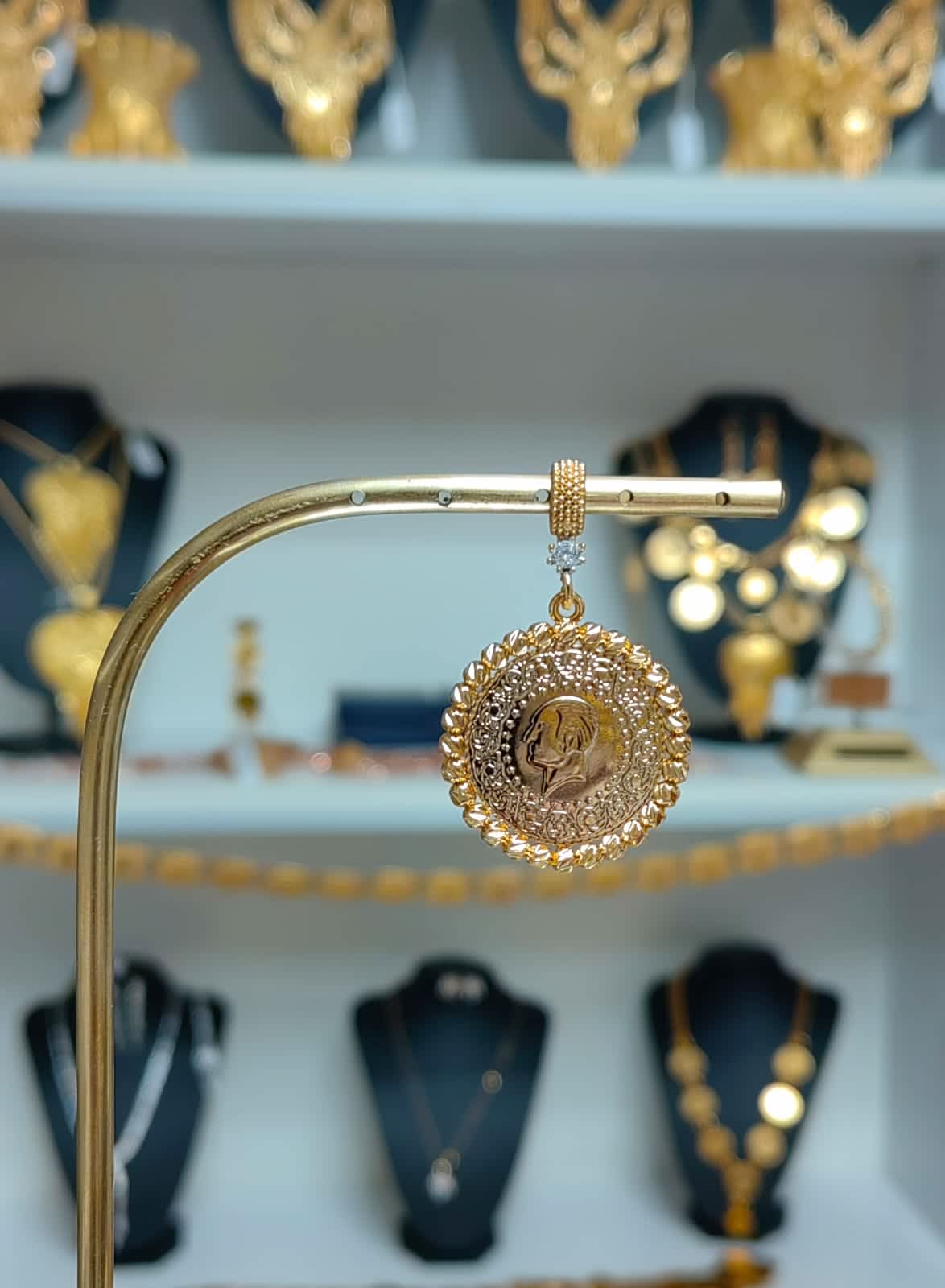
When it comes to gold plating quality, two terms come to mind first: micron thickness and base metal. This duo directly determines your jewelry's lifespan. Thickness is the guarantee of how long the plating will last. The base metal is the foundation upon which that plating rises. Just as good bricks and a solid foundation are needed for a sturdy building, these two must go hand in hand for quality jewelry. Therefore, understanding these two factors is the first step to a smart purchase. Moreover, these factors also shape the product's gold plating quality-price balance.
"Experts state that 3 microns is the minimum threshold for daily use. Below this value may cause the jewelry to show signs of wear within a few months."
The Micron (µm) Scale: How Thick Should It Be?
The micron is the most concrete indicator of quality. A human hair is approximately 70-100 microns thick. A good gold plating is usually in the range of 1 to 10 microns. Here's a practical guide for you: 1-2 microns is usually for very light use or fashion pieces to be worn only a few times. For a necklace or earring you wear daily, you should aim for at least 3 microns. For pieces you plan to wear continuously, like a wedding band or bracelet, thicknesses of 5 microns and above are ideal. Durable chain models like the Five-in-One Chain - ZA009 usually have these high-end thickness values. This way, they maintain their original appearance for a long time.
Base Material Selection: Steel or Silver?
There isn't a single answer to this question; it changes according to your needs. 316L grade stainless steel is the most durable and low-maintenance option. It has excellent resistance to water, sweat, and oxidation and is usually more affordable. 925 sterling silver gives a more valuable feel, is softer, and is used in traditional jewelry making. However, silver can tarnish (oxidize) over time when exposed to air, which can affect the gold plating on it. Regarding allergies, both metals are generally safe if they do not contain nickel (primarily 316L steel and 925 silver). In terms of gold plating quality, plating adhesion can be excellent on both materials with proper preparation.
In summary, steel may be a logical choice for a piece you wear constantly, while silver may be for more special and valuable-feeling pieces.
2026 Gold Plating Trends and Care Tips: Aligned with Gold Plating Quality
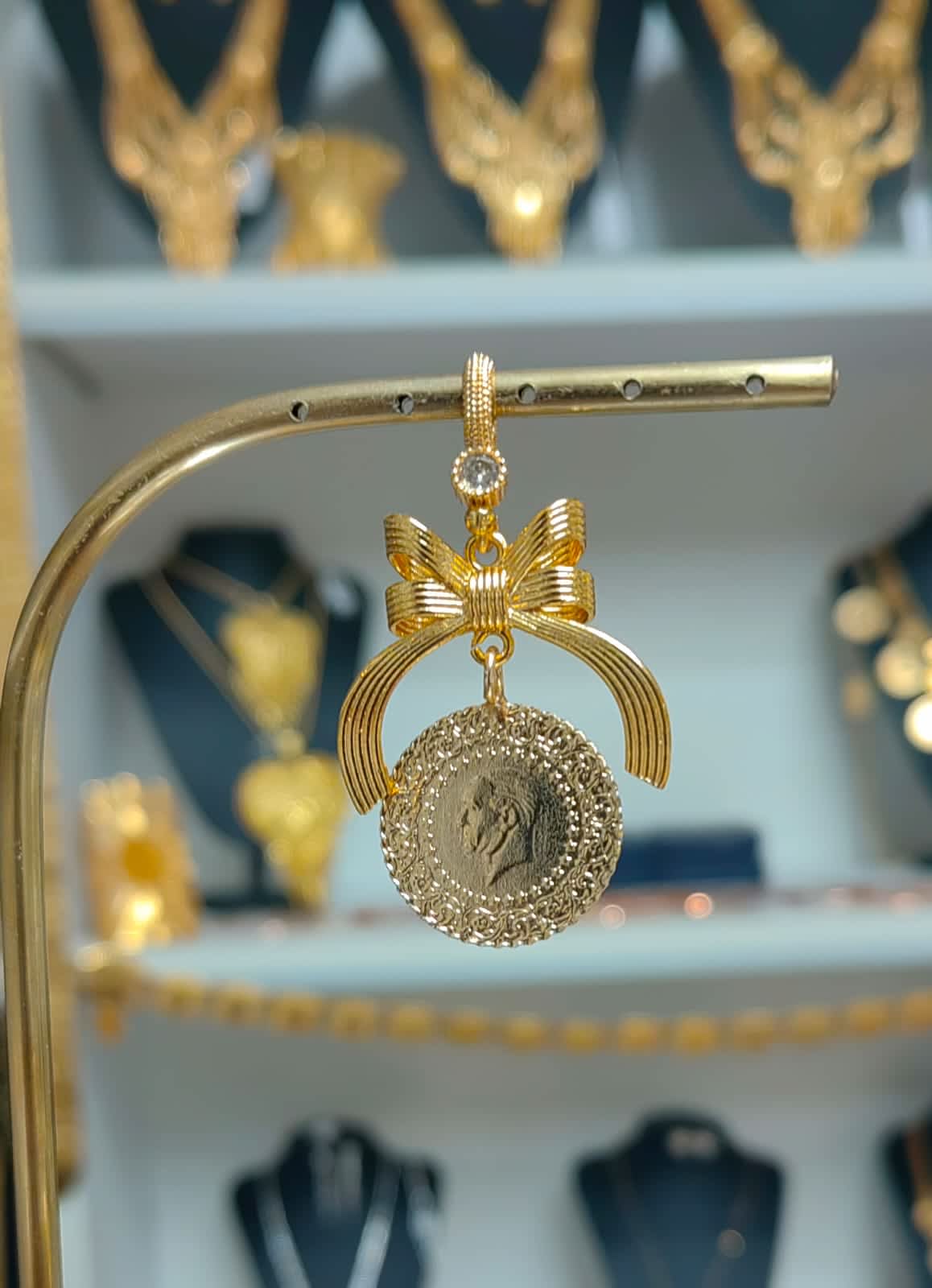
2026 will be a year where personalization and minimalism are in their golden age. People are after pieces that tell their story, are subtle but make their presence felt. Designs where yellow gold, rose gold, and white gold tones meet in the same jewelry are also drawing great interest. Trends like these are influencing bracelets such as the SLIM TWISTED BANGLE DEMO - BBA0014. But no matter the trend, regular care is essential to preserve the beauty of the product you buy. Care is not just cleaning; it's also correct storage and usage habits. Therefore, even if you choose high gold plating quality models, following care rules extends your piece's life.
5 Gold Plating Care Rules for Longevity
Follow these simple rules to extend your jewelry's life. It's important to make these rules a routine.
- Keep Away from Chemicals: Make it a habit to apply perfume, deodorant, lotion before putting on your jewelry; and to shower or wash hands after removing it. Chlorinated pools and salty sea water are enemies of plating.
- Gentle Cleaning: Once a week, gently brush with warm soapy water and a soft toothbrush. Rinse and dry thoroughly with a lint-free cloth.
- Correct Storage: Store your jewelry in a box with separate compartments or a fabric pouch so they don't rub against each other and the air. Don't leave them in a humid bathroom environment.
- Remove During Sports and Housework: Sweat and physical activity both increase the risk of scratching and cause buildup on the plating.
- Regular Check: Once a month, check the stones, hinges, and clasps of your most valued pieces. A loose stone or part can lead to bigger losses.
2026's Rising Trends: Personalization and Ecological Materials
In 2026, consumers care not only about jewelry design but also the production process. Among the varieties of gold plating quality, demand is increasing for products made from recycled metals or with more ecological plating processes. Additionally, personalized letter necklaces, birthstone rings, and stackable thin bracelets continue to be major trends. When these trends combine with high-quality plating, they create both meaningful and durable accessories.
Choosing Gold Plated Products: How to Recognize Quality?
In 2026, where online shopping is everywhere, it can be difficult to get an idea about a product's true gold plating quality. If you don't have the chance for physical inspection, transparent information provided by reliable sellers and the right questions you ask come to the rescue. A quality manufacturer will not hesitate to disclose the plating technique, base material, and estimated micron range. For example, you can find such information in the descriptions of the Indian Earring - HKPL001 model. This transparency is actually an indicator of the seller's confidence in their product. Therefore, I recommend avoiding sellers who don't share technical information.
Purchasing Guide: Asking the Right Questions
When buying gold plating quality from a store or online seller, don't hesitate to ask these questions to test the quality:
- "What plating technique is used in this product? Is it PVD or electrolysis?"
- "What is the base material? Is it 316L steel or 925 silver?"
- "Can you provide information about the plating thickness (micron value)?"
- "Does the product have any special treatment against tarnishing? (e.g., Rhodium plating)"
- "What should I pay attention to when cleaning and storing the jewelry? Do you have care instructions?"
- "Do you have a warranty or return policy for the product?"
Asking these questions not only gets you information but also shows how knowledgeable the seller is. Remember, a consumer knowledgeable about gold plating quality always has a better shopping experience. Indeed, it's best to stay away from a seller who cannot give clear answers to these questions.
Gold Plating Market Guide: The Relationship Between Price and Value
In gold plated products, price is usually directly proportional to quality, but this isn't always the case. Four main elements determine a product's price: plating thickness (micron), type and weight of the base metal, cost of the applied plating technique, and finally, the complexity of the design. Additionally, of two bracelets with the same design, the one made with 5-micron PVD plating and 316L steel will be more expensive than one with 2-micron electrolytic plating and a low-quality metal. In fact, when doing a gold plating quality-price comparison, you must definitely consider these technical details. On the other hand, online jewelry stores can often offer more affordable prices as they don't have physical store costs.
Long-Term Cost Calculation
As a smart consumer, you should look not only at the initial price but also at the long-term cost. When an economical product wears out and loses color after 6 months, you have to buy a new one. This ends up being more expensive overall. However, a product manufactured to high gold plating quality standards, though slightly more expensive, can be used for 3-4 years. Thus, you both save money and continuously enjoy the same aesthetic. In short, a quality gold plated jewelry piece adds more value to you over time.
Sources and References
The technical information on this page is compiled from industry experience and reliable sources. You can review the resources below to learn more about plating techniques and metal properties. You can also consult the terminology units of the Turkish Language Association.
- Wikipedia: Gold Plating - General information about gold plating methods and history.
- Turkish Language Association (TDK) - Turkish equivalents of technical terms.
- Precious Metal Plating Industrialists Association publications - Reports on industry standards and thickness criteria.
In short, when buying gold plated jewelry in 2026, you shouldn't just be captivated by the design. Listen to the technical details behind it. Factors like micron thickness, PVD plating, and 316L steel will ensure your product stays with you for many years. You too can easily select both stylish and durable pieces with the tips in this article. In our collection, hundreds of gold plated earring and bracelet models that meet these high-quality criteria await you. Browse now and discover the perfect, lifelong accessory for you. Quality is the smartest long-term investment; take action now and find your favorite piece immediately! Another point: you can easily order all our gold plating quality online options.