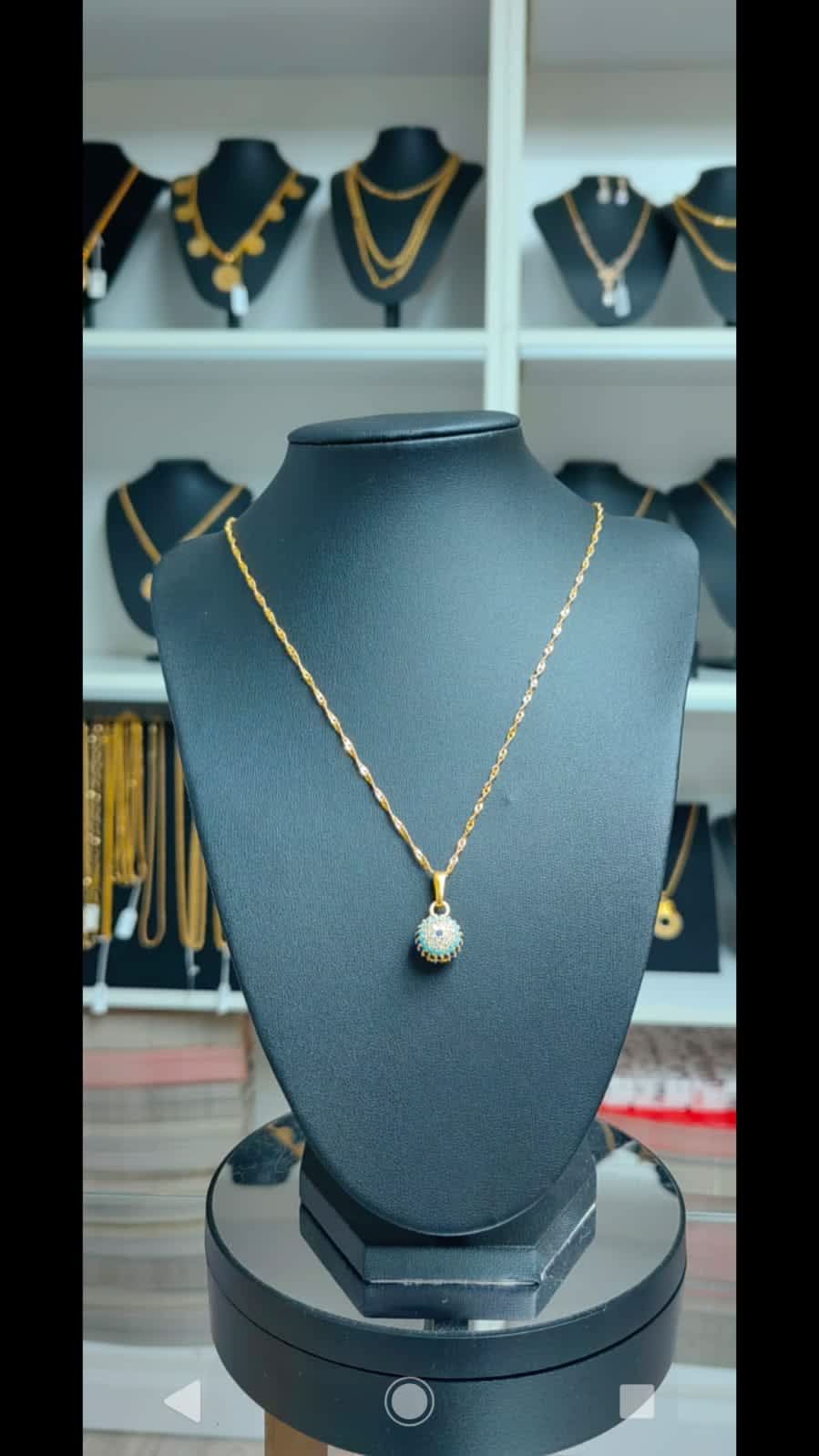
Gold investments burn a hole in your pocket, so isn't there another way to get affordable luxury? Additionally, Gold plating types should also be considered in terms of Altin. This is exactly where fashion enthusiasts find relief. Moreover, in the market, there are dozens of different plating alternatives to suit almost every budget, taste, and need. However, especially for those shopping for imitation jewelry for the first time, the options can be confusing. In addition, for example, 14 karat or 22 karat? Also, electrolysis or PVD? Furthermore, how should color selection be made? Moreover, on the other hand, questions are flying around.
To be honest: Over the years, the most common question from ladies in this industry has been "Which gold plated accessory trends types suit my usage style?" Additionally, questions like "Is there non-tarnishing gold plated jewelry?" or "Which one looks closest to real gold?" are never missing. Therefore, there's no need to beat around the bush; here, filled with "gold-worthy information," you'll find both detailed technical explanations and practical selection tips. Thus, especially for popular categories like bracelets, necklaces, and rings, we explain the tricks one by one.
Affordable luxury depends on the right plating and material selection. Consequently, now, each plating type is laid out in detail: karat differences, plating methods, color options, and the most critical criteria to consider in your choice. Additionally, the key to premium accessories with stunning craftsmanship, long life, and skin-friendliness is in your hands!
What Are Gold Plating Types?
At first glance, all gold platings might look the same, but the truth is far from it. Altin plays an important role in this regard. Thus, when we talk about Gold Plating Care | For Lifelong Shine... types, we actually refer to alternatives with different purity levels, plating thicknesses, and application techniques. Primarily, 14K, 18K, and 22K plating options differ in both color and durability. This way, while competitors inadequately explain the technical details of gold plating (electrolysis, micron thickness), we will examine each method in depth.
Nevertheless, each karat offers its own unique advantages. In short, for example, 14K Gold Plated Earring Models | 2026 Trends &... Thus, a spectrum emerges that caters to different budgets and usage purposes.
Plating thickness is the key point. For instance, plating layers ranging from 0.3 microns to 2 microns directly determine the product's lifespan and gold appearance. Moreover, base metals (like brass, copper alloy) also affect both price and skin-friendliness. This way, to put it bluntly; choosing the right combination is the key to protecting both your wallet and your style. Most importantly, the most common mistake we've seen in this industry for years is customers only looking at the price and ignoring the plating thickness.
Gold Plating Types Table
| Karat | Plating Thickness | Color Intensity | Usage Duration | Application Area |
|---|---|---|---|---|
| 14K | 0.3-0.5 microns | Light yellow | 6-12 months | Daily accessories |
| 18K | 0.5-1 micron | Intense yellow | 12-18 months | Special series jewelry |
| 22K | 1-2 microns | Dark yellow | 18-24+ months | Ornaments, premium products |
But why so many varieties? This is because everyone's expectations from jewelry are different. Indeed, some want to look stylish every day, others want to dazzle on special occasions. Also, jewelry fashion is constantly changing. Additionally, to choose the most suitable plating type for your needs, let's examine the details together.
14K Plating: For Daily Use
60% of the ladies visiting our store start with 14K Gold Plated Chain Models on their first purchase. Altin plays an important role in this regard.