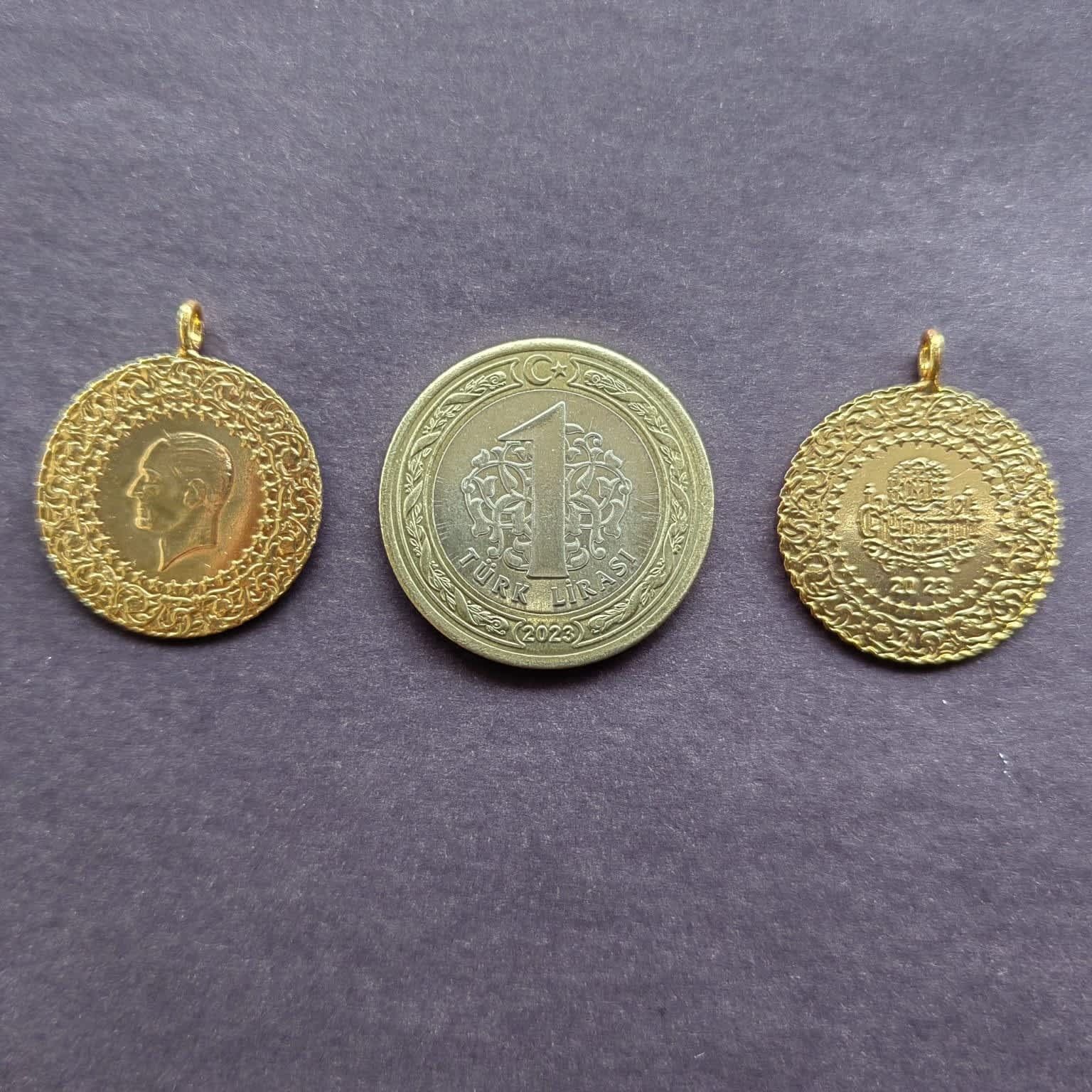
You don't actually need a big budget to feel that warm, luxurious touch of real gold. But how? On the other hand, the answer is simple: 22 karat gold plating. As a result, these jewelry pieces are produced by coating a thin layer of 22 karat quality, equivalent to 91.6% pure gold, onto a durable metal. Indeed, in 2026, amid economic fluctuations, it has become the favorite of those who want neither to give up elegance nor to think about their wallet. For example, why? Because they are not just affordable; they are also extremely stylish and incredibly durable. In addition, let's explore all the intricacies of this popular option together.
How is 22 Karat Gold Plating Made and What Techniques Are Used?
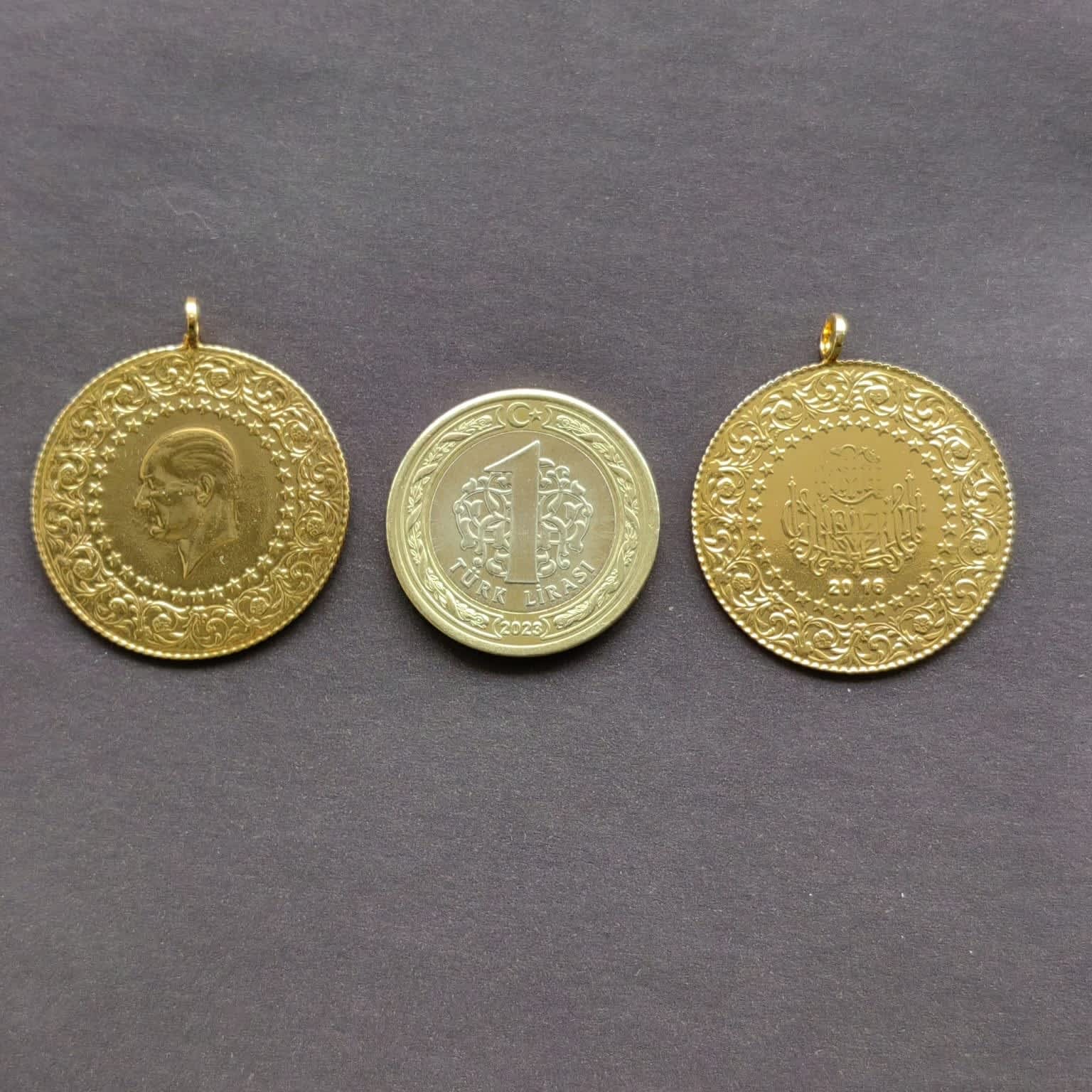

The quality and lifespan of a 22 karat gold plated jewelry piece largely depend on the plating method used. Indeed, jewelers perform this process by adding a microscopic layer of 22 karat gold to the surface of a sturdy alloy, such as stainless steel or brass. Therefore, as of 2026, two main technologies stand out in the industry: PVD (Physical Vapor Deposition) and Electroplating. In addition, both methods offer different advantages. But the right choice ensures your jewelry stays shiny for years. Besides, that's why you should always ask about the technique used when choosing 22 karat gold plated products. Moreover, these techniques determine the quality standard in the fashion jewelry sector.
What is the Difference Between PVD Plating and Electroplating?
PVD plating works on the principle of physically bonding gold vapor to the base metal in a high vacuum environment. That is, the biggest advantage of this method is that it creates an incredibly durable surface resistant to external factors. It provides superior protection especially against sweat, moisture, and light impacts. In contrast, electroplating uses a chemical solution and electric current to bond gold ions to the base metal. However, while this technique is more traditional, it offers an extremely smooth and shiny finish. Yet, 22 karat gold plating manufacturers often blend these two techniques to maximize both durability and aesthetics.
So, if you have concerns about durability, you can opt for the PVD technique.
If brightness is a priority for you, the electroplating method might be a better choice. In short, both techniques offer you an affordable and stylish accessory experience.
Why is Plating Thickness Important and How Many Microns Should It Be?
Plating thickness is the most critical factor directly determining the lifespan of your jewelry and is measured in microns (µm). However, simply put, the higher the micron value, the thicker and more durable the gold layer. Meanwhile, in the 2026 market, the ideal thickness range for a quality 22 karat gold plated product is between 1.5 and 3 microns. On the other hand, For example, a thin plating of 0.5 microns may show wear within 6-12 months under heavy daily use, while a 3-micron plating can retain its shine for over 3 years with proper care. Therefore, always look for this value in product descriptions when buying 22 karat gold plating. This way, you can be sure you are choosing a long-lasting product.
According to an expert: "As consumer awareness increases in 2026, the term 'micron' has become one of the indispensable criteria for 22 karat gold plating shopping. Therefore, thickness is the most concrete indicator of the jewelry's real value."
What Are the Differences Between 22 Karat Plating and Other Karat Levels?
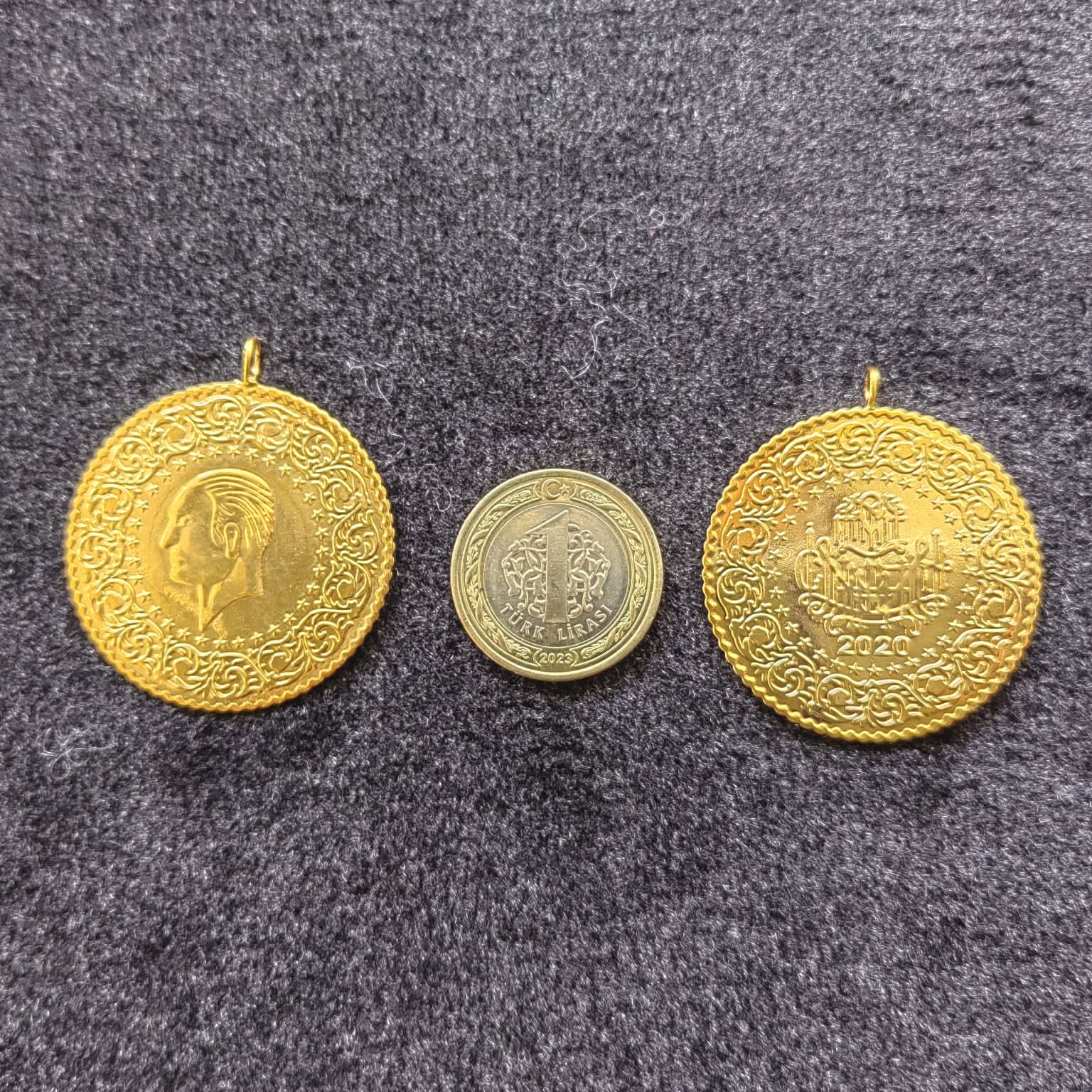
When choosing 22 karat gold plating, it is very important to know the features that distinguish it from other karat options. As a result, karat refers to the purity ratio of gold in a jewelry piece. Moreover, while 24 karat is 99.9% pure gold, the ratio of mixing with other metals increases as you go down to other karats. Furthermore, However, this mixture directly affects durability and color tone. Approximately 60% of consumers in Turkey state that they find the traditional yellow color most in 22 karat gold plating models. Thus, these products both appeal to cultural taste and offer a wide range of 22 karat gold plating varieties.
How to Distinguish from 14 Karat, 18 Karat, and 24 Karat Plating?
14 karat plating (58.5% gold) has a paler yellow