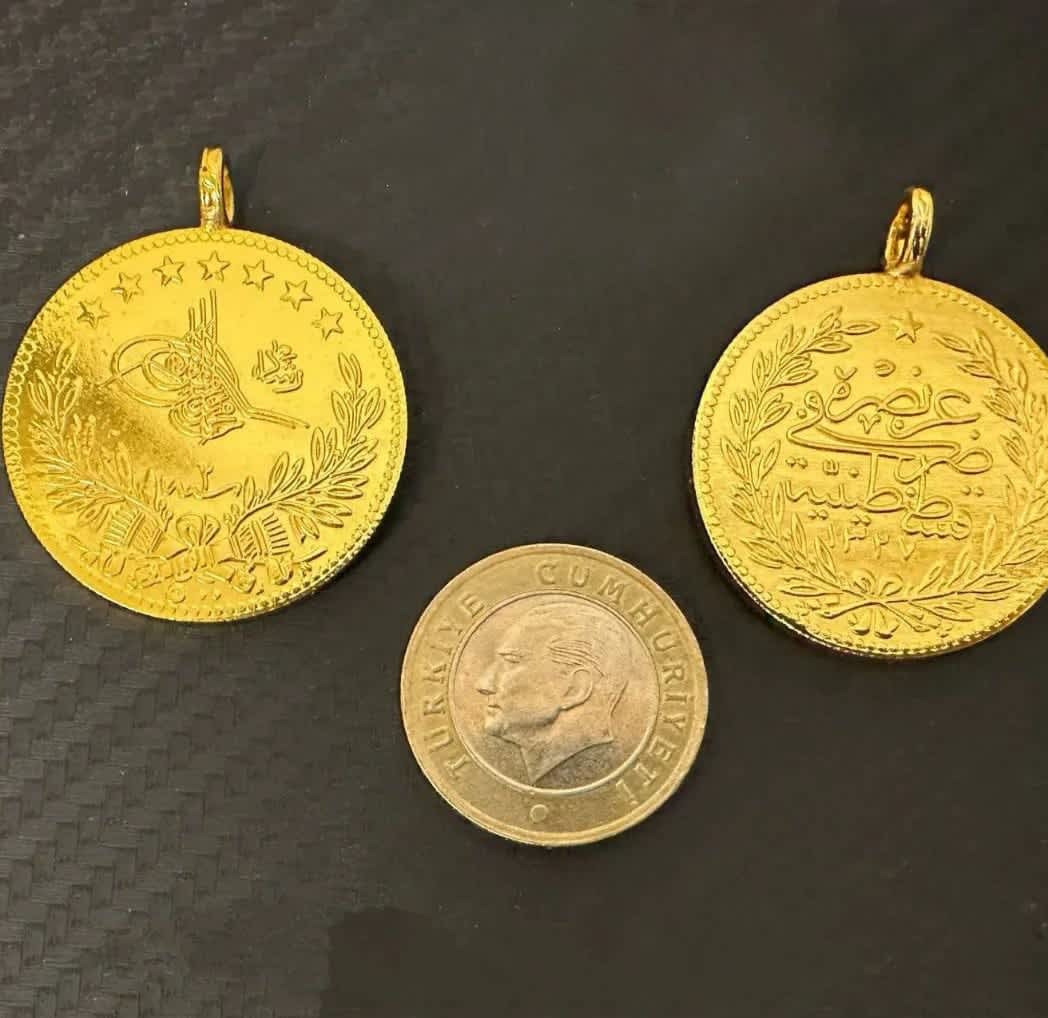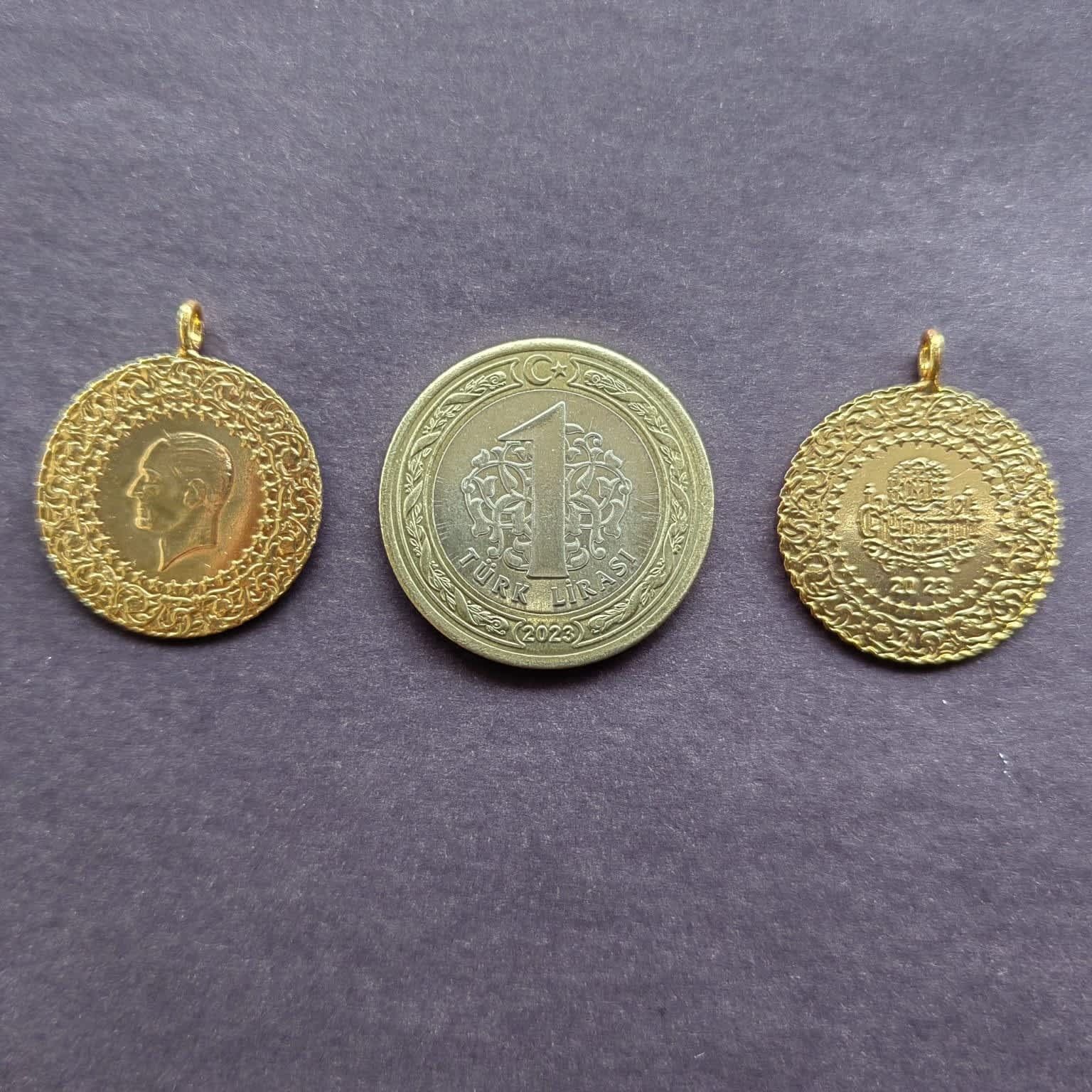
A customer recently asked me about the difference between 14K and 22K gold plating, saying, "Both of these jewelry pieces are yellow gold plated, but one looks more vibrant and the other more muted. Why?" This question actually gets to the heart of the difference between these two popular options. Based on my many years of experience, I can say that understanding the difference between these two popular choices is not just a technical detail; it's the most important factor determining the lifespan, appearance, and even how well the jewelry suits you. Let's explore the significant differences behind this seemingly small detail together. This guide will help you make the right choice in 2026.
What Does Karat Mean in Gold Plating and Why Is It Important?
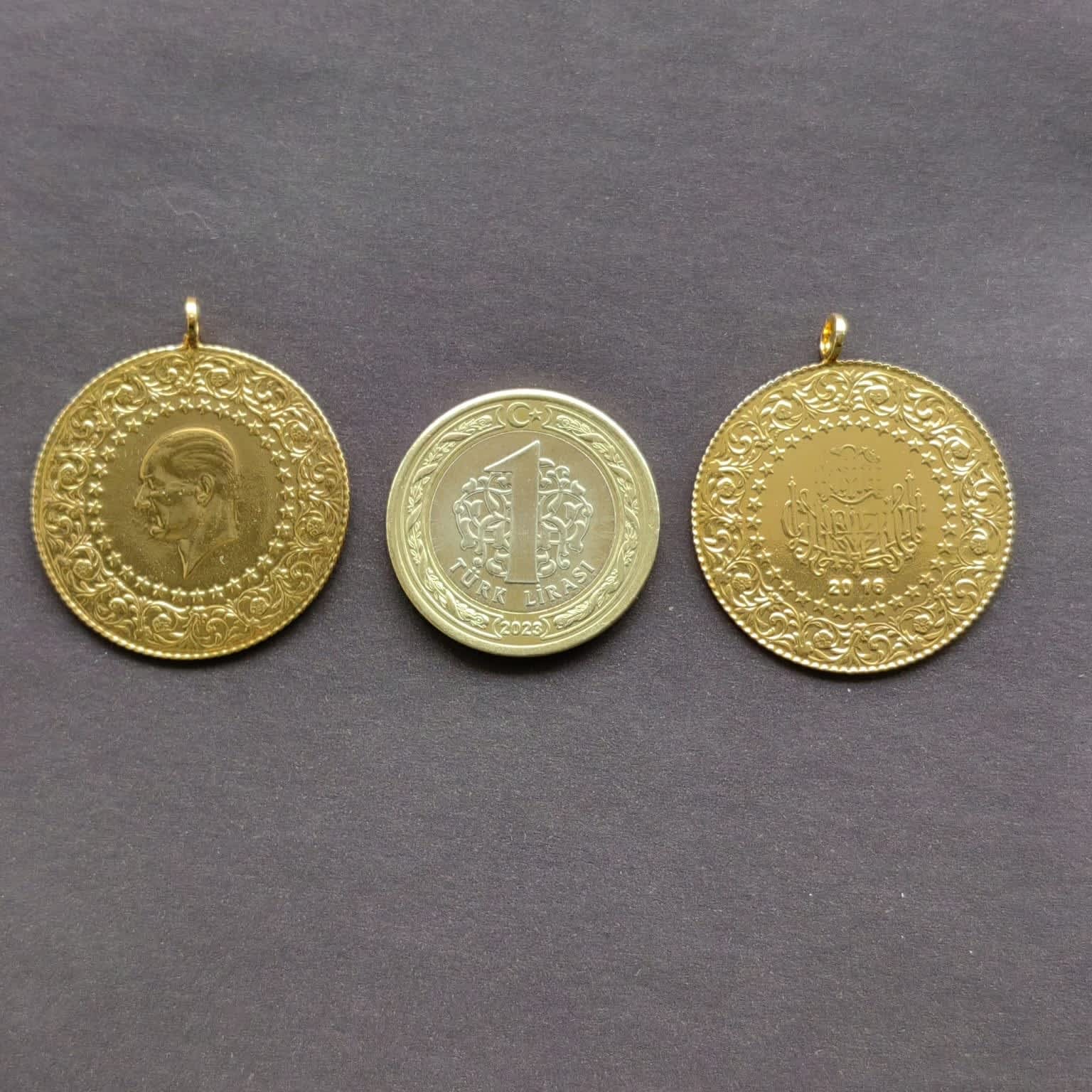

One of the most frequent questions I've received over the years is: "What exactly does 'karat' mean?" To understand the difference between 14K and 22K gold plating, we first need to clarify this concept. Simply put, karat is a unit of purity that indicates the amount of pure gold in a gold alloy. Pure gold is considered 24 karats, but because it is very soft, it is usually mixed with metals like copper, silver, or zinc to make it durable enough for jewelry making. The ratio of this mixture gives us the karat. Therefore, the fundamental distinction between 14K and 22K lies in this purity ratio. This mathematical difference affects everything from appearance to durability.
Therefore, knowing the concept of karat well gives you a great advantage when researching 14K vs 22K gold plating models.
On the other hand, this knowledge allows you to make much more informed decisions in your online jewelry shopping. Moreover, learning this concept makes you a more empowered consumer in the world of bijouterie.
How is Gold Karat Calculated and What is its Standard?
The calculation is actually based on a simple proportion. 24 karats is considered 100% pure gold. For example, 14 karats means that 14 parts out of a 24-part alloy are pure gold. This equates to a purity rate of approximately 58.5%. 22 karats expresses a ratio of 22 out of 24, meaning about 91.7% of the alloy is pure gold. This is an international standard, and jewelers all over the world accept it. This standard is also valid in Turkey, and it is frequently abbreviated as "14K" or "22K" on product labels. As a result, you can shop with confidence thanks to this standard. However, I would like to remind you that reliable manufacturers like us adhere to these standards meticulously.
What is the Chemical Composition of 14K and 22K Gold Plating?
The real magic lies in this chemical composition. 14K gold plating contains 58.5% pure gold. The remaining 41.5% usually consists of copper and silver. Copper adds a warm, reddish tone, while silver gives a cooler color. The situation is different with 22K gold plating. It has 91.7% pure gold, and only 8.3% of other metals like copper or silver are added. Therefore, 22K plating gets its color almost entirely from pure gold, which explains its characteristic vibrant yellow color. In short, what we call 'karat' is actually a code for this precise metal mixture.
Therefore, you should make your 14K vs 22K gold plating purchase decision by considering this composition.
What is the Visual and Color Tone Difference Between 14K and 22K Gold Plating?
Yes, when looked at carefully, the color tone difference is quite noticeable. This is one of the most curious aspects of the difference between 14K and 22K gold plating. Thanks to its high pure gold content, 22K gold plating exhibits a deep, warm, and intense yellow tone reminiscent of honey. If you ask me, this tone evokes classic luxury and warmth. On the other hand, 14K gold plating may appear in a lighter, slightly muted, or sometimes slightly pinkish tone due to the influence of copper. Moreover, this is a more neutral tone and usually blends better with modern designs. Thus, both options appeal to different styles.
You can also clearly see these 14K vs 22K gold plating varieties in our collection.
Why is the Yellow Tone of 22K Gold Plating More Vibrant?
The answer is again hidden in the composition. Pure gold naturally has a very distinct yellow color. Because the pure gold ratio is very high in 22K plating, this natural and vibrant yellow color is dominant. In 14K, however, the color palette is mixed with the reddish tones of copper and the whitish tones of silver, which slightly softens the intense yellow of pure gold. This difference is very clear when placed side by side. For example, the warm tone of the 22K plating on our Hint Küpe - HKPL001 model looks great, especially on wheat and olive skin tones. Moreover, this vibrancy makes it a perfect accessory for special occasions.
Does the Color Difference Change or Fade Over Time?
This is a very important question. Quality plating, regardless of karat, will not undergo a dramatic color change over time. However, a very slight color difference may occur at wear points (e.g., the inside of a bracelet). Since 14K plating is more resistant to wear due to its harder alloy, it can maintain its color more consistently in the long term. The softer structure of 22K is more prone to micro-scratches, and these scratches can reflect light differently, leading to minimal changes in brightness. But if you take good care of your jewelry, you may not even notice these changes years later. Therefore, with proper care, both options maintain their elegance for a long time.
14K vs 22K Gold Plating Difference: Which is More Durable and How is it Maintained?
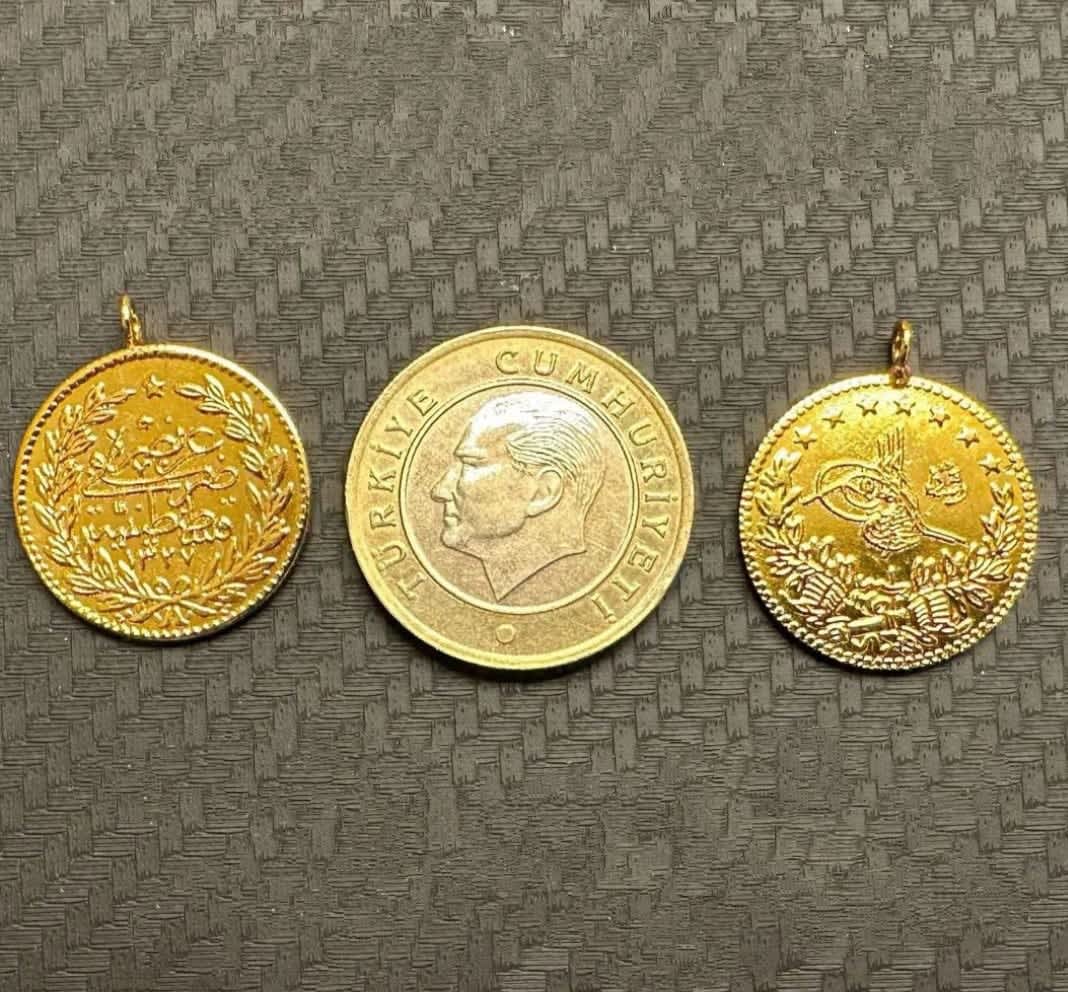
The issue of durability is another critical point that directly affects your purchase decision. I can say clearly that 14K gold plating is more durable than 22K. The reason for this is related to hardness. Hardness in metals is usually measured on the Mohs scale. Pure gold is a very soft metal. The high copper and silver ratio in the 14K alloy balances this softness and gives hardness to the alloy. In 22K, pure gold is dominant, which makes it relatively softer and more malleable. Therefore, if you are looking for a ring or bracelet that you might easily bump or rub against in daily life, 14K is a smarter choice.
This is one of the points we most frequently emphasize regarding the 14K vs 22K gold plating difference.
Therefore, durability is one of the most decisive factors in the 14K vs 22K gold plating difference. However, karat is not the only factor affecting durability; in addition, the manufacturer's craftsmanship and plating thickness are also very important. Moreover, knowing these details will make your online research on the 14K vs 22K gold plating difference much more efficient.
Does Gold Plating Thickness (Micron) Affect the Karat?
Absolutely yes! While karat determines the content of the alloy, "micron" indicates how thick a layer this alloy is plated as. For example, plating done at 2-3 microns thickness is much more long-lasting than plating at 0.5 microns. Therefore, for durability, the correct combination of both karat (alloy hardness) and micron (plating thickness) is essential. In the durability-focused models we produce in our workshop, for example in the Zar Modeli Kolye - ZKLA010, our masters use both a hard alloy like 14K and a sufficiently thick plating. Thus, the product can maintain its form and color for 2-3 years with daily use.
How Do Wear Times Change with Daily Use?
According to my observations, with continuous daily use (i.e., wearing it without taking it off), a quality 14K gold plated jewelry piece may start to show the first noticeable signs of wear after an average of 18-24 months. For 22K plating, this period can drop to 12-18 months under the same conditions of use. Of course, this varies depending on the design of the jewelry, where it is worn on the body (a bracelet is at a point where the hand rubs a lot), and your personal activities. In conclusion, the important thing is to choose the one that suits your pace of use. Indeed, many of my customers prefer 14K for daily use and 22K for special moments. Furthermore, with this information, you can make the 14K vs 22K gold plating price comparison more meaningful.
What are 14K and 22K gold plating?
14K gold plating is obtained when artisans plate an alloy containing 58.5% pure gold as a thin layer onto a metal like 925 sterling silver or brass. 22K gold plating emerges when jewelers plate a higher purity alloy containing 91.7% pure gold. The fundamental difference between 14K and 22K gold plating is the purity ratio of the gold alloy used and the properties this brings.
Which is more durable, 14K or 22K gold plating?
14K gold plating is harder and therefore more resistant to scratching and wear than 22K due to the other metals (copper, silver) in its alloy. 22K gold plating is softer and therefore can wear out more quickly with intense daily use. Durability is one of the areas where the difference between 14K and 22K gold plating is most evident.
Is there a visible difference between 14K and 22K gold plating?
Yes, it is noticeable when looked at carefully. 22K gold plating has a more intense, warm, and vibrant yellow color due to its higher gold content. 14K gold plating may appear in a relatively more muted, lighter, or slightly different shade of yellow. This color tone difference becomes pronounced when placed side by side.
Is 14K or 22K a better choice for gold plated jewelry?
'Better' is not absolute; it depends on your purpose of use. For a piece you will wear continuously, daily, 14K is a better choice due to its durability. For special occasions where you want a more luxurious and vibrant look, 22K will be a better option. In 2026, many of my customers prefer to add products from both karats to their collection for mixing and matching.
Is the care and wear of 14K and 22K gold plated jewelry different?
Yes, their care needs are different. The softer 22K plating can scratch and wear more easily, therefore it may require a bit more care in cleaning and storage compared to 14K. Both should be protected from chemicals (perfume, deodorant, chlorine), sweat, and hard impacts, but this protection is more critical for 22K.
Which Karat to Choose in 2026: Daily Wear vs. Special Occasions?
2026 jewelry trends are built on personalization and versatility. Therefore, the answer to the question "which is better?" can now be "both!" However, if you still need to make a decision, here is a practical guide for you: If you are looking for a piece of jewelry that you don't even think of taking off while at the office, exercising, or doing housework, then 14K gold plating is tailor-made for you. Thanks to its durability, you can use it without worry. On the other hand, if you want to stand out at moments like weddings, invitations, or special meetings, the unique brightness and luxurious feel of 22K will be exactly what you're looking for. While making this choice, you can examine the 14K vs 22K gold plating models in our collection.
Also, you can catch great opportunities by following our 14K vs 22K gold plating difference campaign periods.
Moreover, when making this choice, it will be useful to keep the basic features of the 14K vs 22K gold plating difference in mind. Furthermore, you can create very stylish combinations by using both options together.
How Are 2026 Trends Influencing This Choice?
In 2026, the fashion world continues to break rigid rules. Mixing gold and silver, wearing different karats of gold at the same time is now a major trend. For example, combining a 14K plated bracelet with a 22K plated pendant looks very chic. Moreover, this trend allows you to benefit from the advantages of both worlds. This mix makes your personal style much more original. As a stylish and versatile option suitable for this concept, I can recommend the Orta Tuğralı Lale Kolye - OTLKA026. This way, you can choose both durable and chic pieces from among the 14K vs 22K gold plating varieties.
"When buying jewelry, one must think not only of today but also of tomorrow. 14K plating is like a loyal friend; long-lasting, reliable, and able to keep up with the hustle and bustle of life. 22K plating, however, is a special celebration; a detail that makes the moment valuable, giving a special brightness to that moment. The smart consumer is the one who makes room for both in their wardrobe." - Mad Gold İmitasyon Workshop Manager
14K vs 22K Gold Plating Difference Price Analysis and Value Comparison
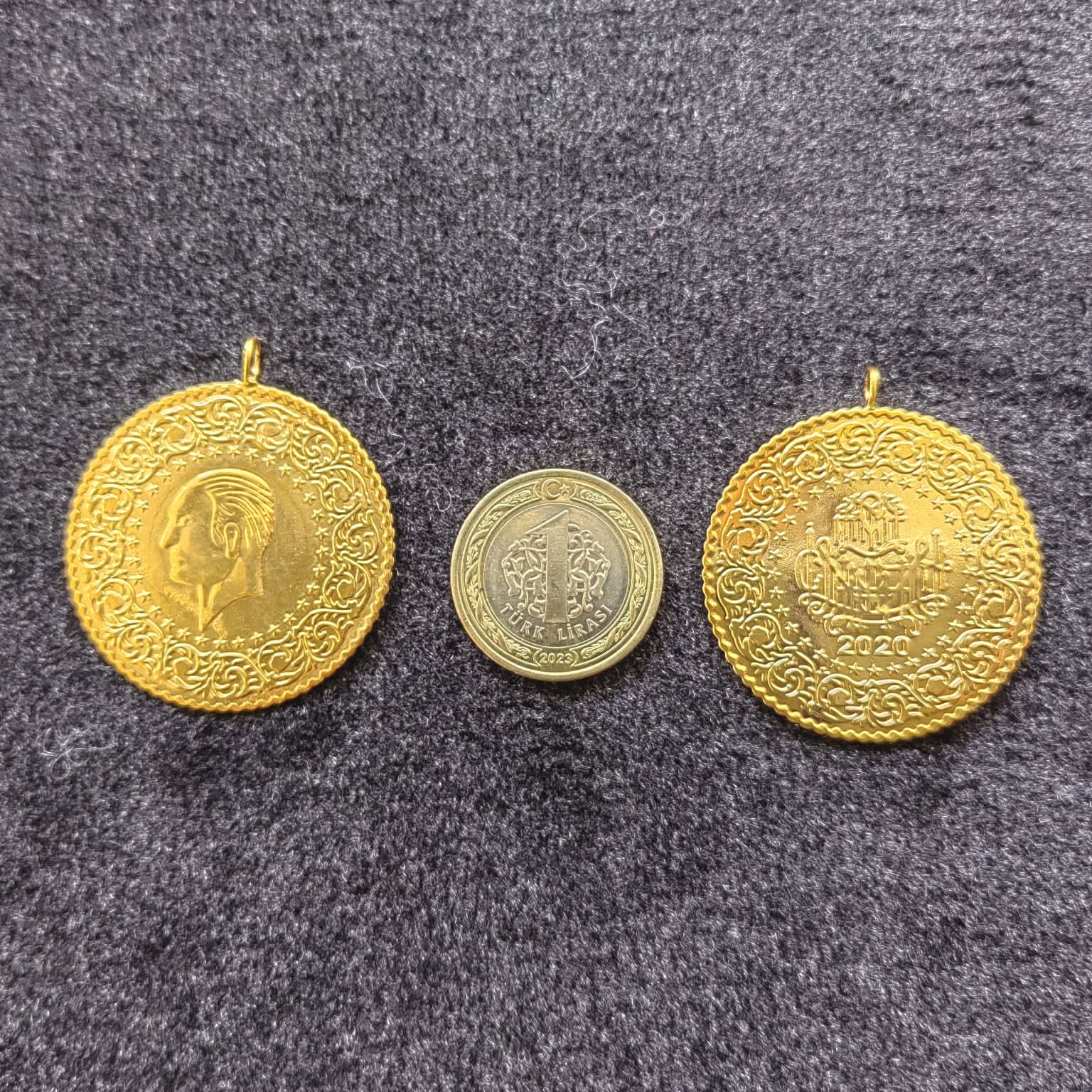
The price issue is one of the most important factors in the decision-making process for many of my customers. The general rule is this: 22K gold plating is more expensive than 14K. So how much is this difference? Based on my experiences, for the same model and craftsmanship, the price of 22K plating can be approximately 20% to 35% higher than that of 14K. The main reason for this is the cost of the gold alloy used in the plating process. Since the 22K alloy contains much more pure gold, the raw material cost naturally increases. Thus, you can keep this ratio in mind when doing price research on the 14K vs 22K gold plating difference. However, this price difference is also directly proportional to the quality and lifespan of the plating.
What Other Factors Determine the Price Difference?
Karat alone does not determine the price. Craftsmanship, the complexity of the design, the stones used, and of course the plating thickness (micron) are also determining factors on the price. For example, a 14K piece plated with a thick micron can cost more than a 22K piece plated with a thin micron. Therefore, making a price comparison by looking only at the "14K" or "22K" label would not be correct. I recommend you consider all these details when doing price research on the 14K vs 22K gold plating difference. Also, you can reach more affordable prices by following campaign periods on online jewelry sites. Furthermore, this research allows you to catch the most suitable 14K vs 22K gold plating difference purchase opportunity.
How to Compare Long-Term Maintenance Costs?
This is where "value analysis" comes into play. The initial purchase price is not the only cost. The more durable 14K plating requires less maintenance in the long term, and the need for replating arises later. Since 22K plating is more delicate, especially if used continuously, you may need to allocate an extra budget for maintenance and repair. In short, if your budget is limited and you expect a long life, 14K is generally a smarter investment. However, if visual impact and a sense of luxury are your top priorities, the extra payment for 22K may be worth it. Therefore, you should also consider long-term costs in your 14K vs 22K gold plating difference purchase process.
Here is a comparison table for you to see the differences clearly:
| Feature / Comparison Criterion | 14 Karat Gold Plating | 22 Karat Gold Plating |
|---|---|---|
| Pure Gold Ratio | 58.5% | 91.7% |
| Color Tone | Lighter, muted yellow; neutral | Vibrant, warm, deep yellow |
| Durability (Hardness) | High - Suitable for daily use | Medium - Ideal for special occasions |
| Average Initial Purchase Price Difference (Same Model) | Base Price | +20% to +35% |
| Recommended Use in 2026 | Office, Daily, Sports, Pieces You Wear Constantly | Invitations, Weddings, Special Nights, Statement Jewelry |
| Maintenance Need | Relatively Less | Requires a Bit More Care |
Conclusion: Discover the Right Karat for You
I hope this detailed guide has cleared up your confusion about the difference between 14K and 22K gold plating. Remember, the best choice is the one that best suits your lifestyle, budget, and personal taste. The year 2026 prioritizes flexible styles and personalization. Perhaps the answer lies in choosing a piece from each and creating your own unique combination. I recommend you check out the Mad Gold İmitasyon collection for more inspiration on 14K vs 22K gold plating models and varieties. You can immediately choose your favorite from among hundreds of stylish, durable, and affordable options and bring a new breath to your style.
Browse and order all the 14K vs 22K gold plating difference varieties in our collection online! Discover our burma bracelet models and other options that will help you find the most suitable accessory. Discover now and choose your stylish jewelry suitable for 2026 trends. Browse now and see the different karat options in our collection!
Resources:
The technical information in this article has been prepared by blending international jewelry standards and the karat definition on Wikipedia with our 10 years of observation and experience in the sector. Also, General Directorate of Mineral Research and Exploration metal hardness scales were utilized for durability data. Visit https://madgoldimitasyon.com immediately to explore our 14K vs 22K gold plating difference collection and catch the best deals.