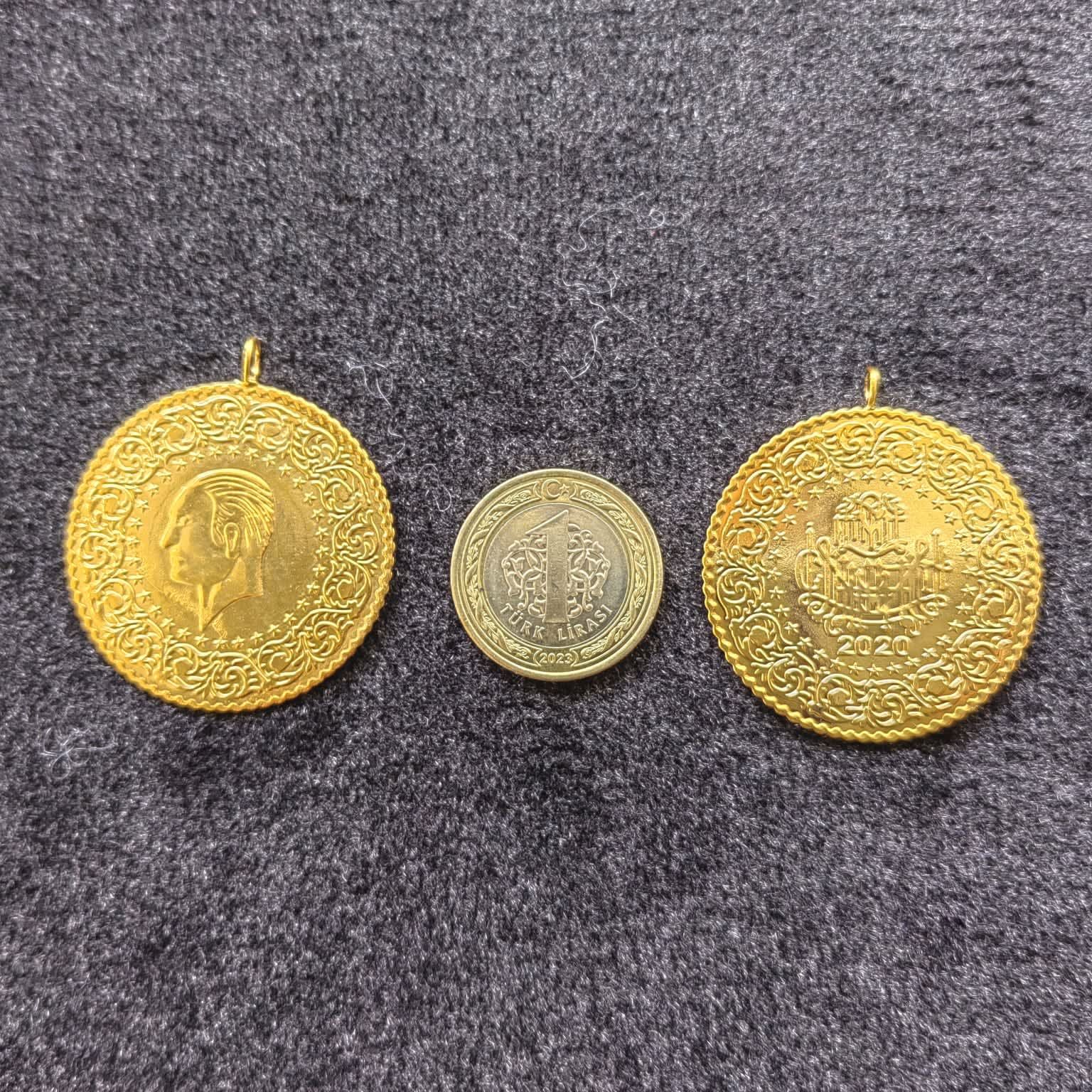
Dear jewelry lovers, especially in 2026 when online shopping has become widespread, the question "how to spot imitation gram gold" has become increasingly critical. More than 40% of consumers are not sure whether the product they purchased is truly gold-plated or just paint. In this comprehensive guide, we will walk you through both professional and practical methods you can apply at home step by step. Learn all the tips needed to distinguish imitation gram gold from real gold, along with current 2026 test techniques. This way, you will become a conscious buyer and will be able to confidently choose high-quality models such as THIN DOUBLE TWIST BRACELET DEMO - BBA0014.
How to Spot Imitation Gram Gold: Understanding the Basic Differences
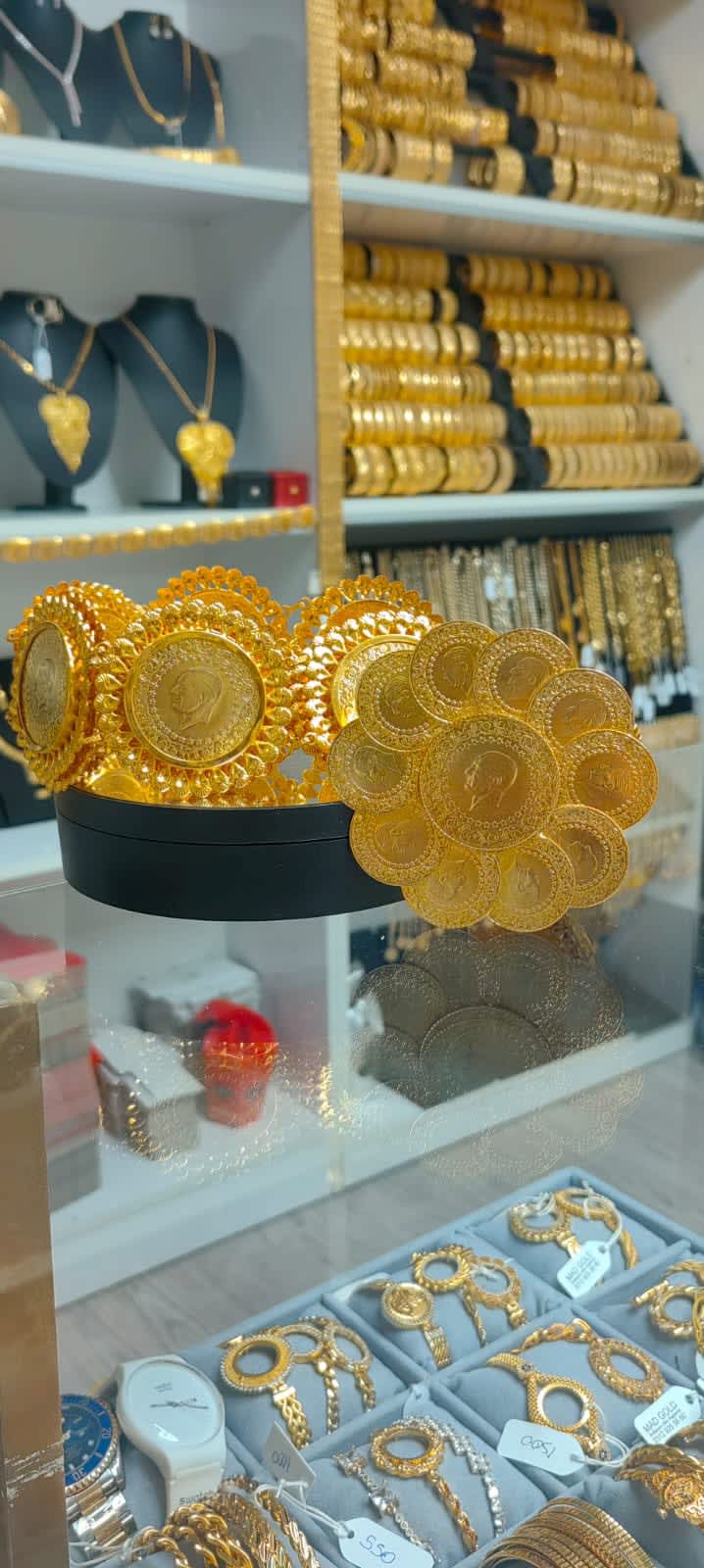
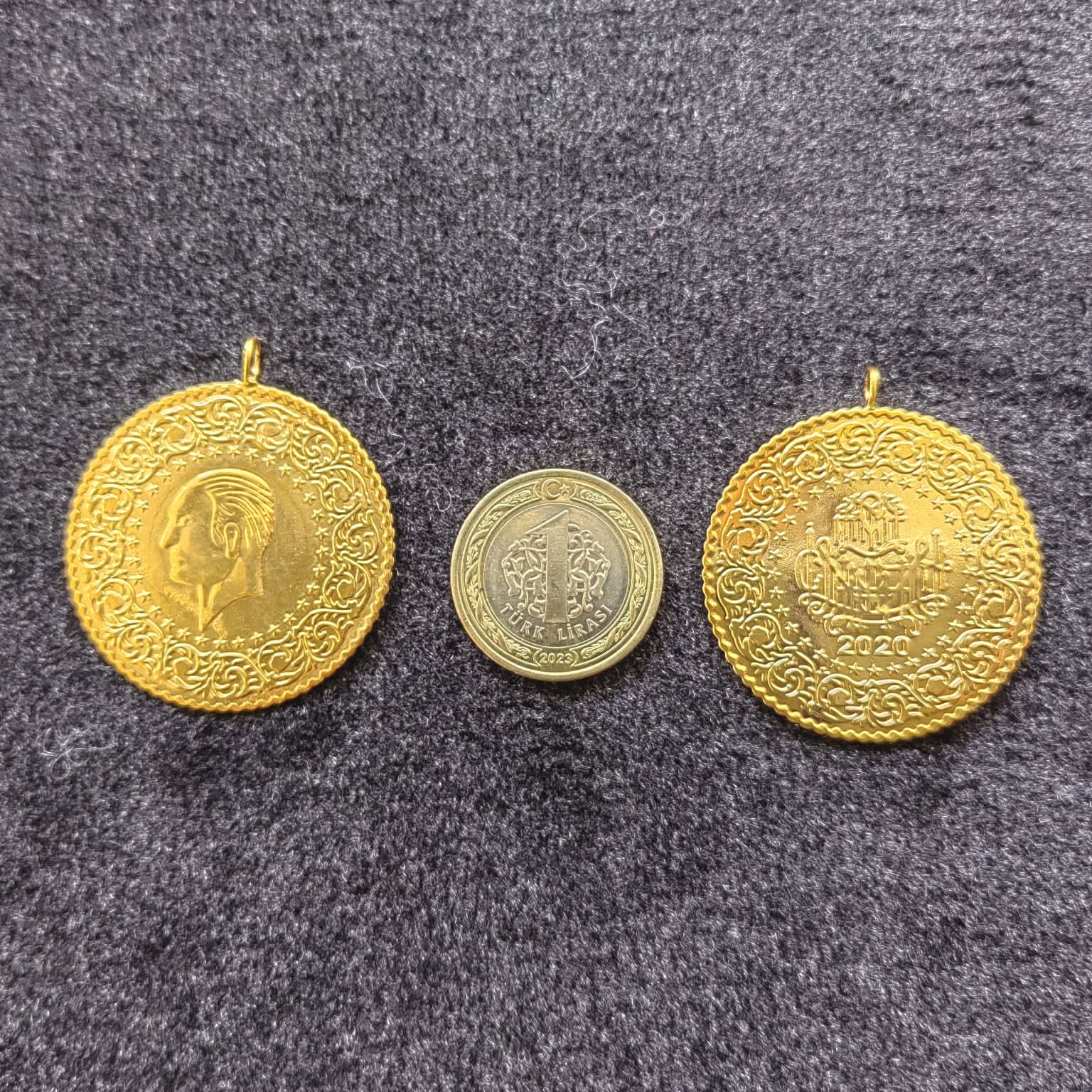
Let us clarify this topic that is unclear for many people. With that said, imitation gram gold is accessories that take inspiration from the visual appeal and color of real gold but do not contain any precious metal in their core. They are generally produced by applying a gold-colored coating of microscopic thickness onto metals such as brass, copper, steel, or 925 sterling silver. Furthermore, real gram gold is a precious metal with intrinsic value, bearing a stamp indicating its karat (e.g., 585, 750). The first answer to the question "how to spot imitation gram gold" lies in understanding this fundamental difference.
Thus, while real gold does not tarnish or fade over time, imitation models may change color depending on usage and care conditions. As a result, the BBA0014 model we offer as a high-quality alternative manages to minimize this difference with its superior craftsmanship.
What Are the Most Common Features of Imitation Gold?
You should pay attention to certain characteristics to recognize imitation jewelry. First, the feel of weight is an important clue. Because real gold feels heavier than expected due to its density. Second, the color tone. Some imitations may appear overly yellow, sometimes even greenish or pale, instead of the warm tones of natural gold. Moreover, lastly, in most products in the costume jewelry category, edge cuts and connection points may be less meticulous. Therefore, these details give you an initial idea about the quality of the product.
How Do Craftsmanship and Details Reveal Whether It Is Real or Fake?
A skilled eye can tell the difference by looking at small details in the craftsmanship. For example, real gold jewelry has smoother surfaces, sharp and clean edges. However, imitation or plated products may show microscopic scratches, uneven surfaces, or weld marks. Especially, the joints of chain links or the edges of stone settings are critical points that reveal the quality of craftsmanship. Consequently, high-quality imitation manufacturers pay great attention to these details and strive to create a feel as close to real as possible.
Based on my 20 years of experience in jewelry, I can say: "Real gold feels cold to the touch and conducts heat quickly. Imitations can sometimes leave a more 'plastic' or 'tinny' feel. However, today's advanced coating technologies make this difference almost imperceptible." - Expert Jeweler Opinion
How to Spot Imitation Gram Gold: 2026 Visual and Physical Checks
The first inspections you perform when you pick up a product will tell you a lot. First of all, look for a stamp on it. Real gold is stamped with karat numbers like "750", "585", "417", usually accompanied by a lion or a tiny jeweler's mark. In contrast, imitations may have markings like "925" (silver), "GP" (Gold Plated), "GF" (Gold Filled), or "SS" (Stainless Steel), or no stamp at all. The second step is to examine the color and luster under natural and artificial light. Because the luster of real gold is deep and intrinsic. Therefore, visual checks are the most reliable first filter on the topic of how to spot imitation gram gold.
With that said, relying solely on visuals is not enough; it needs to be supported by physical tests.<