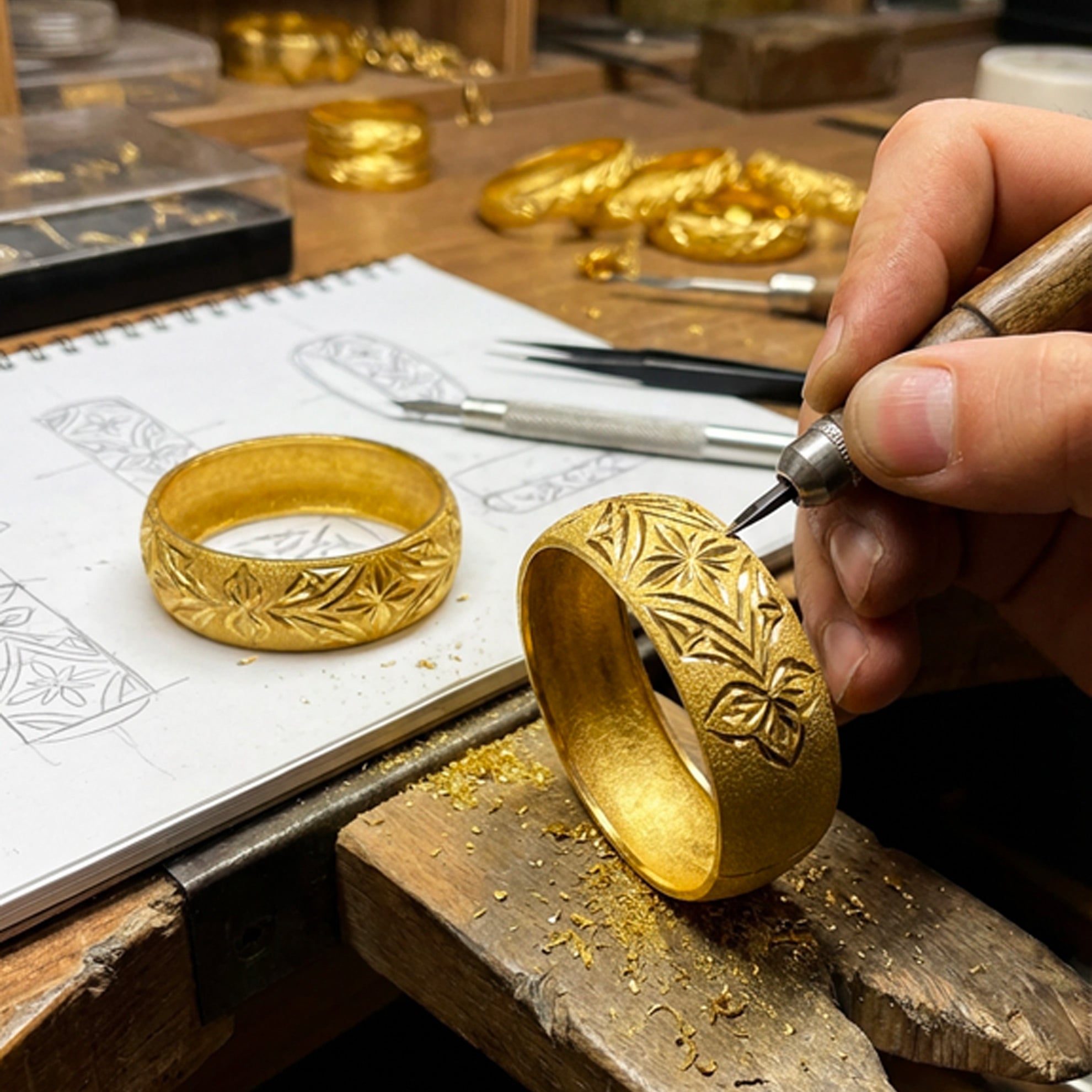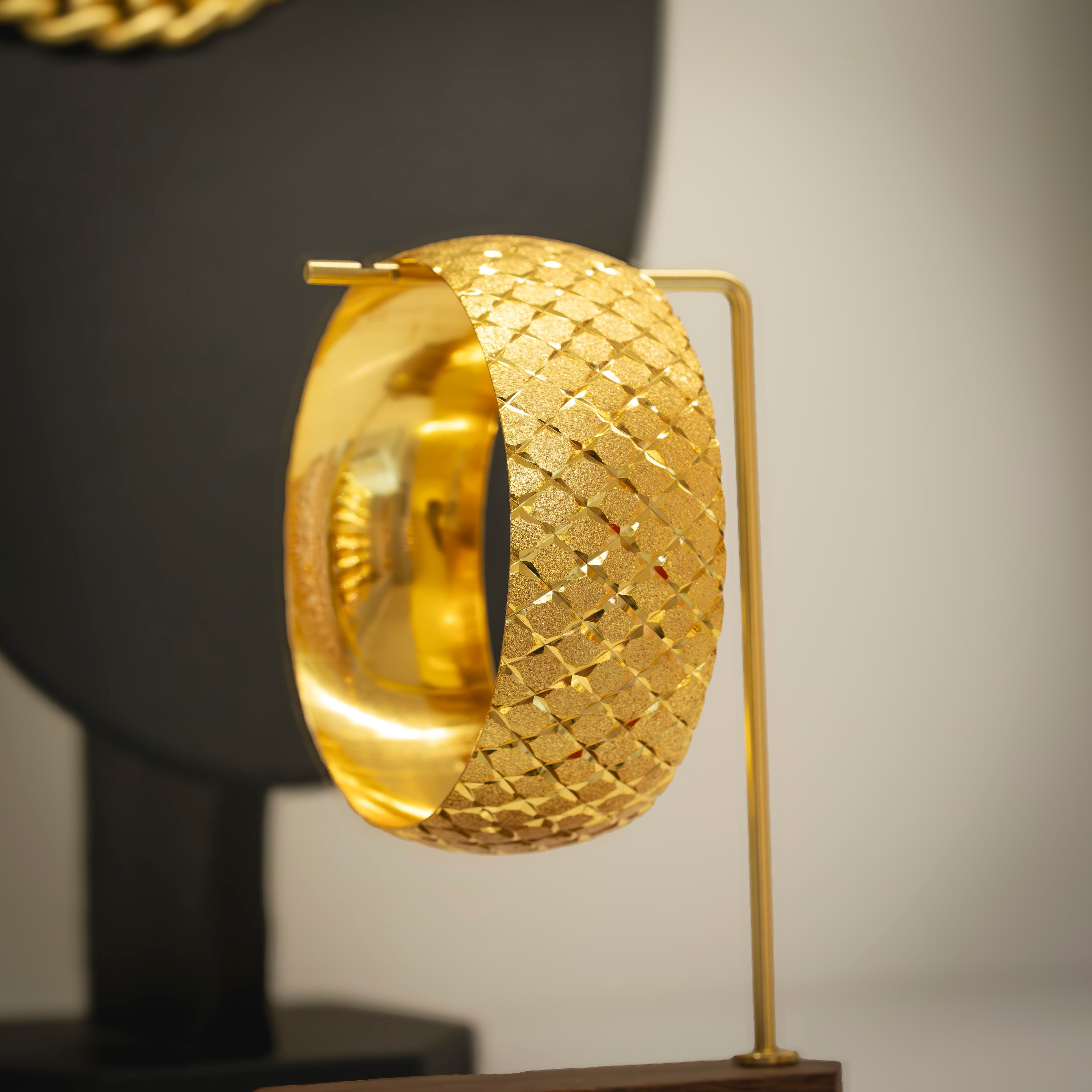
Fluctuations in gold prices often lead people to ask, "How much will I lose if I cash this bracelet in later?" when buying. So, is it really possible to choose a bracelet that doesn't lose value when cashing in? In short, yes. This term refers to types of bracelets that can retain a value closest to their purchase price at the time of sale or exchange, have low craftsmanship costs, a high purity of gold, and strong market liquidity. As economic uncertainties continue in 2026, choosing such a bracelet means not just selecting a piece of jewelry, but also making a smart asset choice. Especially for those researching bracelet that doesn't lose value when cashing in prices, these criteria have become a top priority.
What is a Bracelet That Doesn't Lose Value When Cashing In and Why is it Important in 2026?
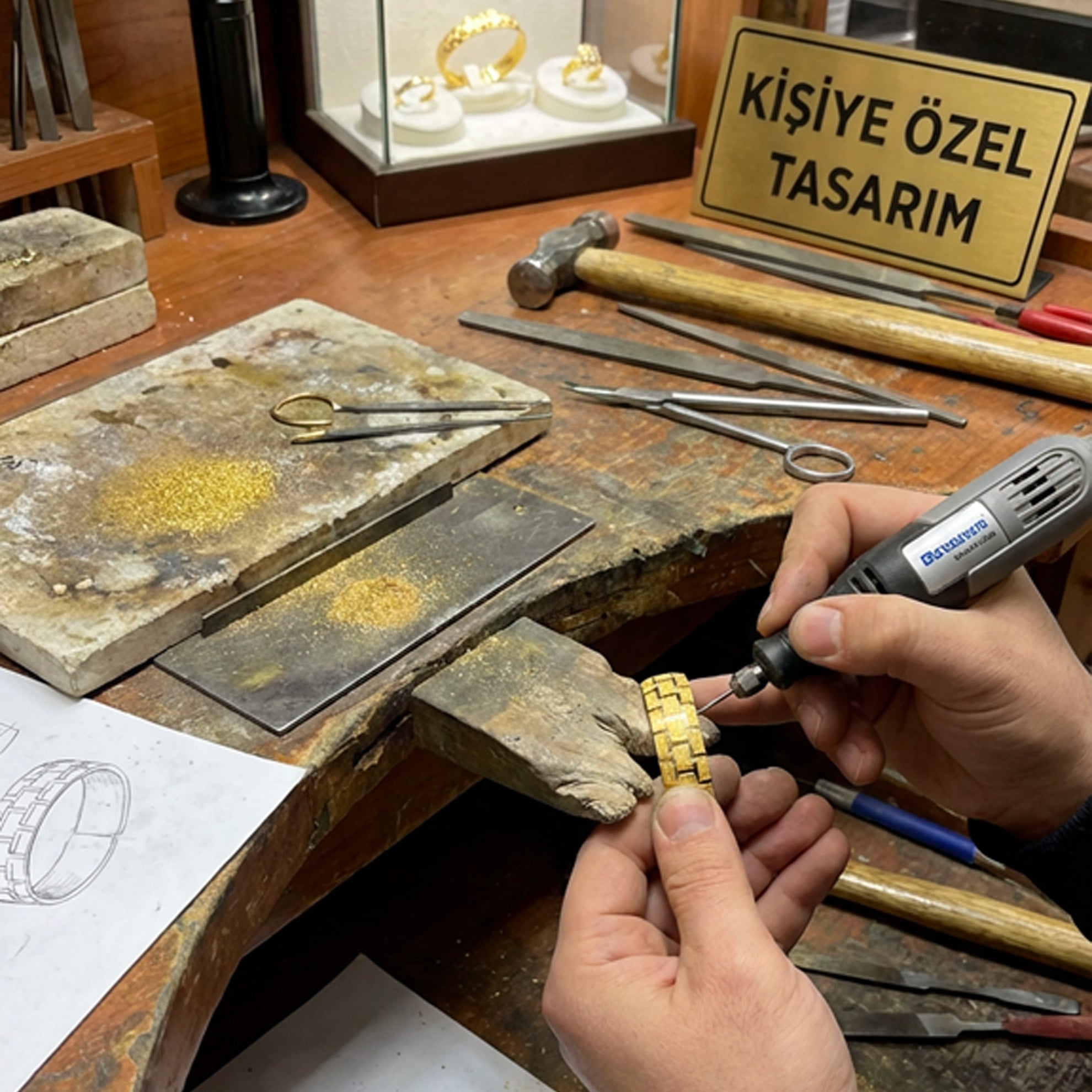
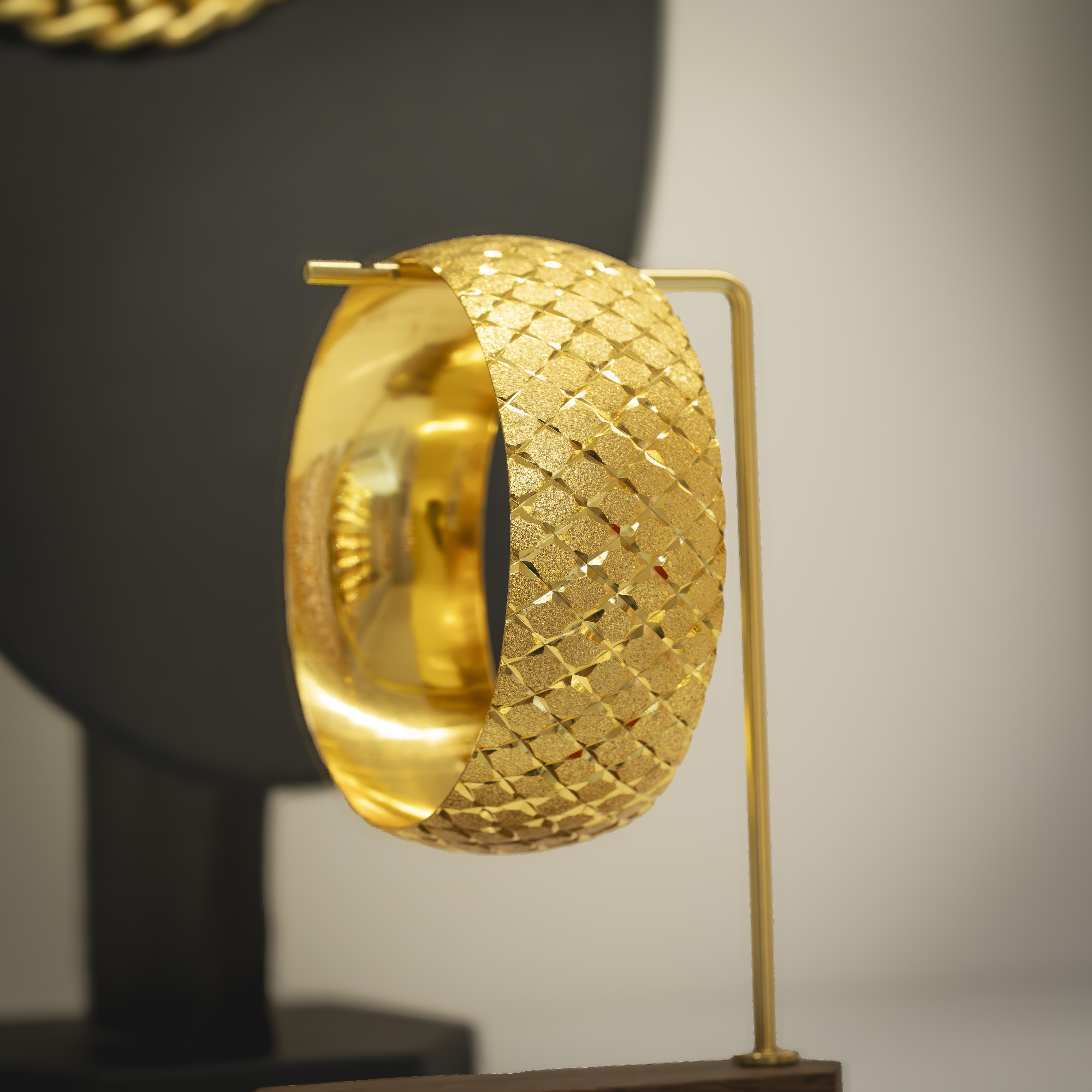
A bracelet that doesn't lose value when cashing in is essentially a model where the difference between its intrinsic value and market value is minimal. Furthermore, these bracelets are typically made from high-karat gold (22 or 24 karat) and keep the additional craftsmanship cost on the piece very limited. This concept has gained even more importance in 2026 because the number of people buying gold for investment purposes has increased by 30%, and people are turning towards products with high liquidity that can be quickly converted to cash. Therefore, it's necessary to view a bracelet not just for its beauty, but as a product that will cause you minimal loss in a potential time of need. Consequently, this information serves as a roadmap for those looking for bracelet that doesn't lose value when cashing in models.
Additionally, buying such a bracelet provides flexibility in your long-term financial plans. Moreover, choosing a bracelet that doesn't lose value when cashing in will make you feel secure during unexpected financial needs. This way, you too can benefit maximally from this bracelet that doesn't lose value when cashing in concept.
What are the Key Features of Bracelets That Don't Lose Value When Cashing In?
Three fundamental features distinguish these bracelets from others. First, karat purity. Bracelets of 22 karats and above, due to their higher pure gold content, allow you to receive a higher price per gram when cashing in. Second, simple design. Overly detailed, stone-studded, or models requiring special craftsmanship reflect that craftsmanship cost as a deduction when you cash them in. Third is standard weight. Bracelets within weight ranges commonly known and accepted in the market (e.g., 7-8 grams or 10-12 grams) are evaluated more quickly and smoothly by jewelers. Thus, you can make the most accurate choice among the varieties of bracelets that don't lose value when cashing in.
What Market Conditions Make This Type of Bracelet Prominent in 2026?
In the first quarter of 2026, volatility in the foreign exchange and gold markets steered people towards more flexible assets. However, most people need a form they can wear and easily convert to cash when necessary, rather than gold sitting in a bank. At this point, bracelets that don't lose value when cashing in models serve as a perfect bridge. Jewelers, noticing this demand, have increased their stock of low-craftsmanship-share, classic twisted and chain models. The ease of access to these models and the diversification of online shopping channels are among other factors making these products attractive in 2026. In summary, varieties of bracelets that don't lose value when cashing in are now on the radar of investors from all walks of life.
Current Market Data and Statistics for 2026
According to recent data, in the first half of 2026, the market liquidity of simple-design 22-karat bracelets is approximately 40% higher compared to ornate models. Furthermore, customers who purchase such a bracelet that doesn't lose value when cashing in face an average craftsmanship deduction of 5-7% lower. These numerical figures clearly show how critical the choice is. Moreover, during this period when the online jewelry market recorded 65% growth, online searches for bracelets that don't lose value when cashing in have doubled compared to the previous year. In short, the right bracelet that doesn't lose value when cashing in will provide you with a significant financial advantage.
Do you always lose money when cashing in any gold bracelet?
No, not necessarily. If gold prices have risen since your purchase time, the pure gold value of your bracelet may have increased, and you could cash it in without loss, or even at a profit. However, with a high-craftsmanship-cost, specially designed bracelet, that craftsmanship fee is usually not paid to you, which causes a loss. Therefore, choosing a bracelet that doesn't lose value when cashing in is critical.
What is the biggest cause of loss in the cashing process?
The biggest cause of loss is high craftsmanship cost. Since the jeweler will evaluate the bracelet by melting it down as pure gold, they do not pay for special patterns, stones, or plating on it. For example, in a very detailed bracelet, the craftsmanship fee can amount to 40% of your purchase price. This fee is deducted during the cashing process.
Is it more profitable to cash in 22-karat or 14-karat gold?
On a per-gram basis, 22-karat is always more profitable because it has a higher pure gold ratio. 14-karat bracelets have lower gold purity, and calculations are made based on this ratio when cashing in. Choosing 22-karat and above as a long-term value preservation tool is the right step in your search for a bracelet that doesn't lose value when cashing in.
Is the exchange rate effective when cashing in a bracelet?
Absolutely. In Turkey, gold prices are generally indexed to the USD/TRY exchange rate. If the dollar rate is high, the gram price of gold is also high. Therefore, choosing a time when the dollar is relatively high for the cashing process will increase the TRY value of your gold and reduce potential loss.
Do bracelets bought online cause problems when cashing in?
No, they don't. What matters is clear documentation of the bracelet's karat stamp and weight. You can comfortably cash in any bracelet that doesn't lose value when cashing in model purchased from reliable online jewelers with certified weight and karat, just as you would from physical stores. The clear product information we provide on sites like Mad Gold İmitasyon makes this process seamless.
What should I look for besides price when buying a bracelet that doesn't lose value when cashing in?
Another issue as important as price is the bracelet's technical specifications. First, the karat stamp on the bracelet (like 22K, 24K) should be clearly readable. Also, the seller should be able to provide you with the product's exact weight and any production certificate. Furthermore, reviewing the return and exchange policies of the channel you purchase from will strengthen your hand in a possible future cashing transaction. Indeed, reliable sellers share this information transparently.
Which Bracelet Models Minimize Loss When Cashing In for 2026?
The models that cause the least loss when cashing in for 2026 are generally simple, low-craftsmanship, 22-karat pure gold classic twisted, mesh weave, and plain chain bracelets. For example, models like the THIN DOUBLE TWIST BRACELET DEMO are options that minimize value loss during cashing due to their low craftsmanship cost. Similarly, the Lock Twist Bracelet is also a reliable choice with its classic design and clear weight. Since these models are very common in the market, they are quickly evaluated by jewelers, and the deduction for craftsmanship remains minimal. Thus, focusing on these models during bracelet that doesn't lose value when cashing in campaign periods can also provide you with extra gain.
Especially, finding these models on online sales channels is quite easy. Therefore, these models are the smartest starting point for those wanting to buy a bracelet that doesn't lose value when cashing in. Moreover, by choosing these models, you both avoid loss when cashing in and own a stylish accessory.
Which Twist Bracelet Models Are Most Preferred in 2026?
Twist models are always prominent with their traditional lines and durable structures. In 2026, especially "thin double" and "single-piece thick" twist models are in demand. The reason is that these models trade at a value closest to the pure gold price on the gold exchange. If you are looking for varieties of bracelets that don't lose value when cashing in, turning to twist models would be wise. Additionally, maintaining these models is quite easy, which helps preserve their long-term value. In conclusion, they are an ideal choice for those seeking both style and security.
Do Bracelets with Locks Lose Value When Cashed In?
A lock mechanism adds a small amount of craftsmanship, but this doesn't always cause a significant loss. The difference in cashing price between a standard locked twist bracelet and an unlocked one does not exceed an average of 2-3% in the 2026 market. What's important is that the lock is integrated into the bracelet's main body with a simple design. Overly ornate or gem-studded locks, however, can increase value loss. Therefore, you should prefer simple and functional ones in lock selection as well. This way, you also handle an important detail in choosing a bracelet that doesn't lose value when cashing in.
What is the Difference in Cashing Value Between Thin and Thick Bracelets?
As long as the weight is the same, being thin or thick does not make a difference in terms of cashing value. However, in practice, a single-piece thick bracelet may contain less craftsmanship cost than a set consisting of several thin bracelets of the same total weight. Therefore, a single 10-gram bracelet for 10 grams of gold might be slightly more advantageous when cashing in compared to two 5-gram bracelets. In conclusion, I recommend using your preference for single-piece and standard-weight models. This approach will guide you in your bracelet that doesn't lose value when cashing in purchase decision.
What are 5 Ways to Minimize Loss in the Bracelet Cashing Process?
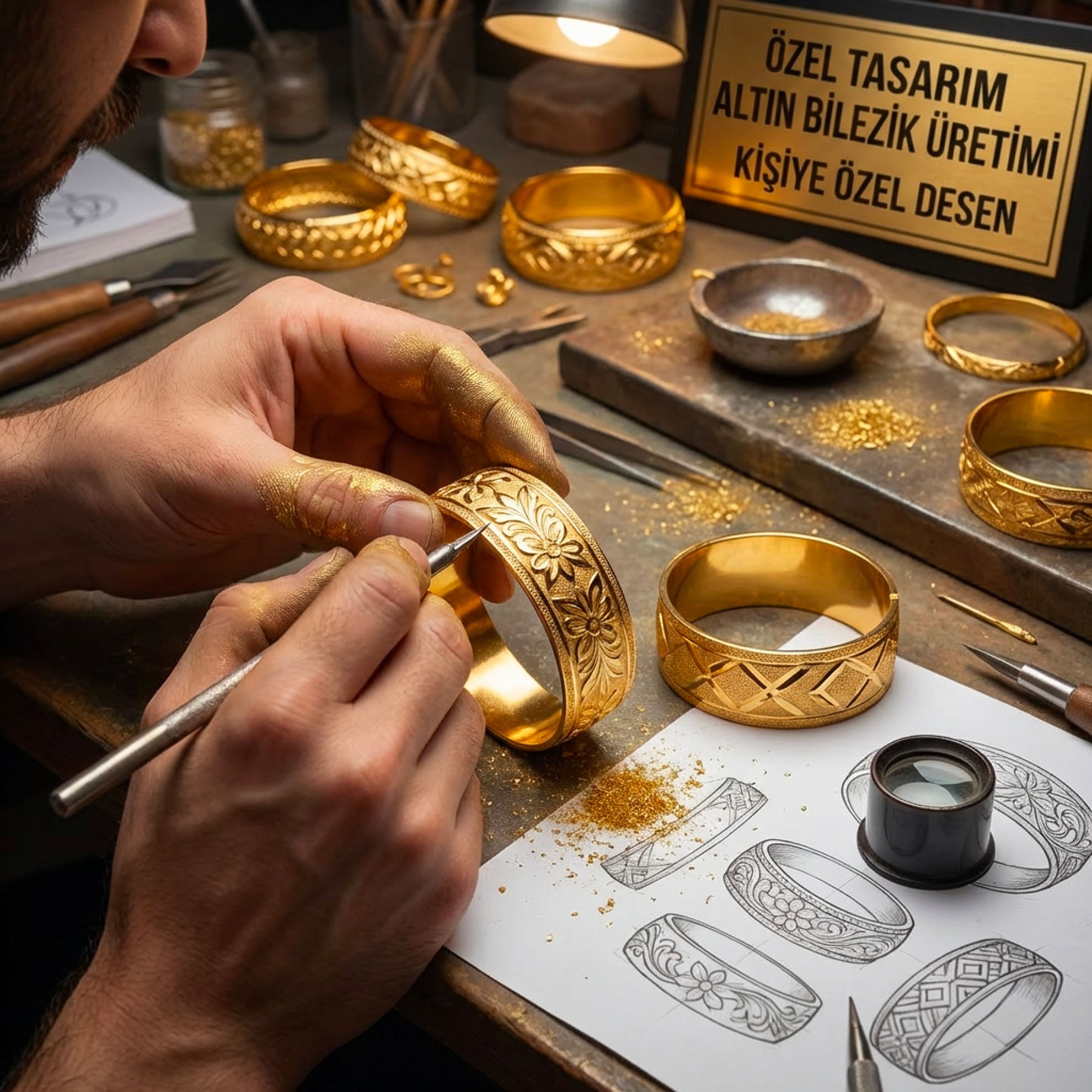
Even if you have chosen a bracelet that doesn't lose value when cashing in, the 5 ways to minimize loss are: 1) Track live gold prices, 2) Prefer bracelets with low craftsmanship fees, 3) Get quotes from multiple jewelers, 4) Know your bracelet's karat and weight clearly, 5) Inquire about cashing fees (commission) rates. When you apply these steps, your search for a bracelet that doesn't lose value when cashing in reaches a practical conclusion. In fact, it has been observed that in 2026, customers applying these five rules reduced their average loss rate to around 1.5%. Furthermore, you can utilize independent price tracking sites like GramAltin.com during this process. This way, you can have a strong idea about the market before proceeding.
Additionally, these methods will give you a great advantage in finding a bracelet that doesn't lose value when cashing in.
"Gold has been the most reliable store of value throughout history. However, today, not just buying gold, but how and in what form you buy it is just as important. A conscious choice at the time of purchase greatly reduces the financial risks you may face in the future." – An Expert with 20 Years of Experience in the Jewelry Sector
How to Track Gold Prices and Determine the Right Time?
You can use reliable sources like the official site of the Gold Refinery to track gold prices. To be honest, buying during a period when prices are relatively low and cashing in during an uptrend is ideal. However, timing this can be difficult. Therefore, waiting for days when the gram price of gold is at least 10% above the price on your purchase day helps you cover potential craftsmanship losses. This way, you can align your decision to buy a bracelet that doesn't lose value when cashing in with market conditions. Moreover, regular price tracking will always keep you one step ahead.
How to Identify Reliability When Choosing a Jeweler?
A reliable jeweler gives you a transparent account. Instead of just saying "I'll give you this much," they clearly tell you the current gram price, how they calculate your bracelet's karat, how much craftsmanship deduction they will make, and any commission rate. The practice becoming widespread in the sector in 2026 is to provide this information as a written offer beforehand. Also, preferring jewelers who offer prices around the market average and have an established history, rather than places offering very low prices, will protect you. Indeed, many established shops in Istanbul's Grand Bazaar offer this transparency to their customers. Therefore, choosing the right partner is very important for your goal of a bracelet that doesn't lose value when cashing in.
What Hidden Costs Might You Encounter When Cashing In a Bracelet?
The hidden costs in the cashing process are: deduction of craftsmanship value, high commission rates (between 2-5%), deductions due to damage assessment, and, though rarely applied, tax deductions like VAT. In 2026, these costs can be a surprise if not asked about beforehand. Especially the craftsmanship deduction is the biggest difference between buying and selling. A bracelet that doesn't lose value when cashing in, by definition, is one that minimizes exposure to these hidden costs. Therefore, you need to ask about each of these items individually before the transaction. Also, being knowledgeable about this will increase your bargaining power.
| Bracelet Model / Feature | Average Craftsmanship Deduction (2026) | Ease of Cashing |
|---|---|---|
| Plain Twist Bracelet (22 Karat) | 0% - 2% | Very High |
| Classic Mesh Weave Bracelet | 1% - 3% | High |
| Stone-studded or Specially Patterned Bracelet | 5% - 15% | Medium |
| Complex Models Like Five-in-One Chain | 8% - 20% | Low |
What are the Craftsmanship Fees and Commission Rates for 2026?
For 2026, the average craftsmanship deduction varies between 0% and 20%, depending on the design complexity of the bracelet. Commission rates are generally between 1% and 3%. While some large jewelry chains do not charge commission, they may set the craftsmanship deduction higher. Therefore, when calculating your net payment, you need to ask about both items separately. Asking "How much will I net?" allows you to see all these costs at once. This way, in your online research for a bracelet that doesn't lose value when cashing in, you have the chance to compare these rates. On the other hand, this transparency gives you confidence in finding the best offer.
How Do Tax Deductions Affect Cashing Transactions?
There is usually no tax deduction for small-amount gold cashing transactions done individually. However, for very high-value transactions or frequent buying-selling done at certain intervals, there is a possibility of falling under income tax. In the 2026 legislation, the limit for such transactions is quite high. Still, asking the jeweler "Is there a tax deduction?" before the transaction prevents a possible surprise. This simple question can prevent an extra cost you might encounter when cashing in. Therefore, learning every detail in advance facilitates reaching your goal of a bracelet that doesn't lose value when cashing in.
Trend Analysis — What to Consider When Choosing a Bracelet That Doesn't Lose Value When Cashing In for 2026?
When choosing a bracelet considering the possibility of cashing it in; pay attention to karat purity (prefer 22 karat), model simplicity, avoiding brand/special craftsmanship, and clear specification of weight. Complex models like the Five-in-One Chain may suffer more value loss when cashing in due to part loss or high craftsmanship cost. The 2026 trend is towards "simple and valuable." Therefore, investing in models that will both suit your daily combinations and preserve the quality of a bracelet that doesn't lose value when cashing in in the future is the smartest path. Additionally, following the gold reserve policies of the Central Bank of the Republic of Turkey (CBRT) will help you understand the general market direction.
What Features Should Be Focused On When Buying a Bracelet, Considering the Possibility of Cashing It In?
When shopping, always ask yourself these three questions: "How much is the craftsmanship fee for this bracelet?", "Is its weight and karat certified?", "How common and liquid is this model in the market?". Products for which you can get positive answers to these questions are choices that will put you in profit in the long run. Also, you can see many alternatives meeting these criteria together on our 22-karat gold bracelet models page. This way, while making your bracelet that doesn't lose value when cashing in selection, you have the chance to benefit from a wide range. Moreover, this research process will also strengthen your financial literacy.
How Do Models Like Five-in-One Chain Experience Value Loss in the Long Term?
Models like the five-in-one chain consist of multiple different forms attached to a single chain. This situation requires more craftsmanship in production. When the jeweler cashes in this bracelet, they evaluate all these parts not individually, but as melted pure gold. Consequently, a large portion of the craftsmanship fee you paid evaporates. According to 2026 data, the average value loss in such models hovers around 15%. Therefore, if you have an investment purpose, I recommend turning to simpler models. On the other hand, if you will use it only as an accessory and have no intention of cashing it in, these models can also be a stylish option. However, if you want a bracelet that doesn't lose value when cashing in, simplicity should always be a priority.
In conclusion, a bracelet can be not just an instant style statement, but also a tool for storing value for the future. By making the right choices, you can satisfy both your aesthetic taste and protect your financial security. In your search for a bracelet that doesn't lose value when cashing in, focusing on simple-design, high-karat, and clearly weighted models will be your greatest helper in this process. You can find many long-lasting and durable bracelet options with these features in our collection, and also get information about 2026 men's bracelet trends and prices. Discover now, choose your favorite model, and make a valuable investment for the future!