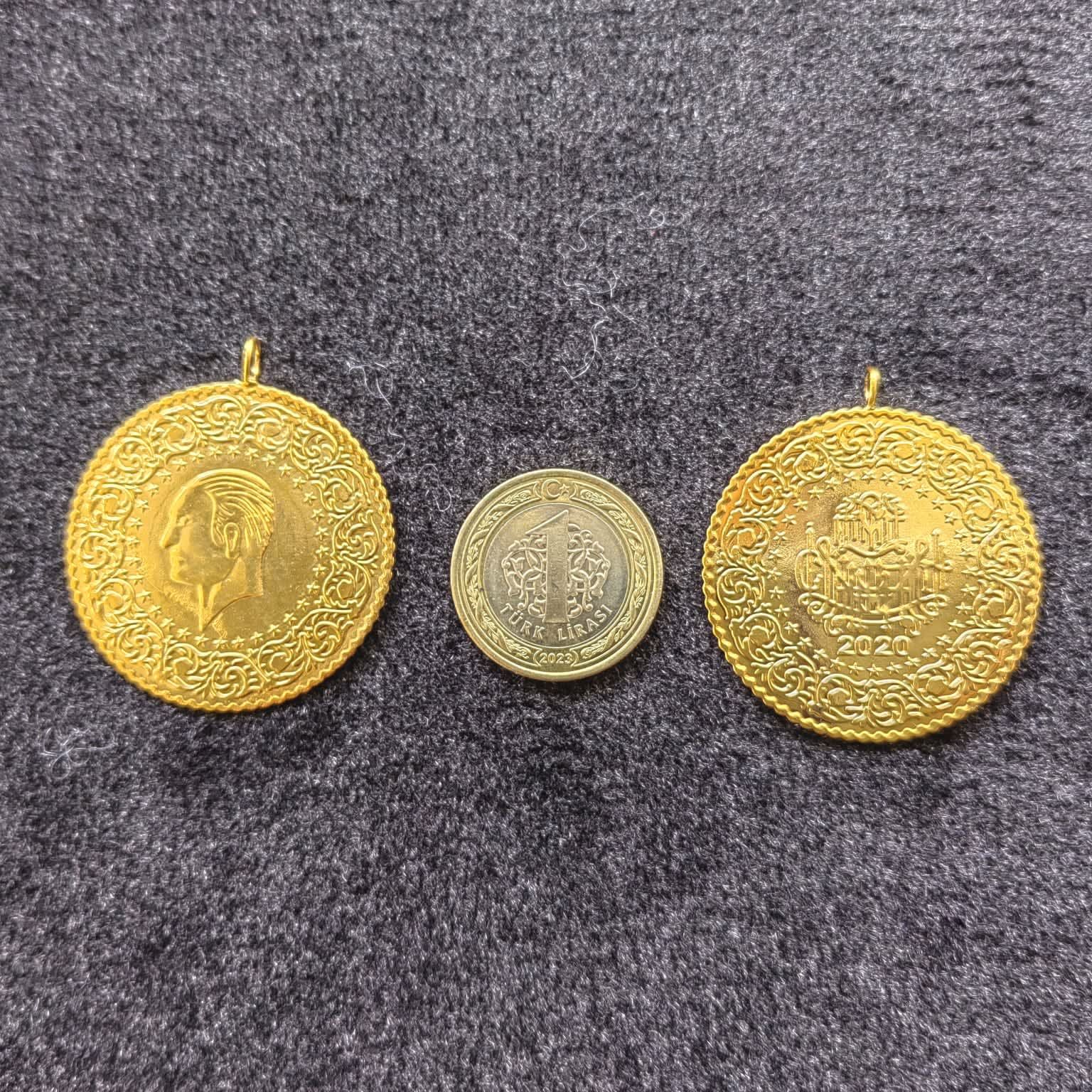
Gold plated jewelry is indispensable for our elegance. However, do we know how we unknowingly wear them out? In fact, the main threat casting a shadow on their beauty is water and chemicals from daily life. Consequently, research shows that nearly 90% of the shortened lifespan of these pieces stems from moisture and incorrect chemical contact. Indeed, if you want to preserve the original brilliance of your jewelry, you must thoroughly understand the relationship between gold plated jewelry, water and chemicals. For instance, this guide explains the tricks to protecting your jewelry in 2026, water-resistant models, and the first steps to take in case of an accident.
Gold Plated Jewelry and Water & Chemicals: Why Are They Affected?
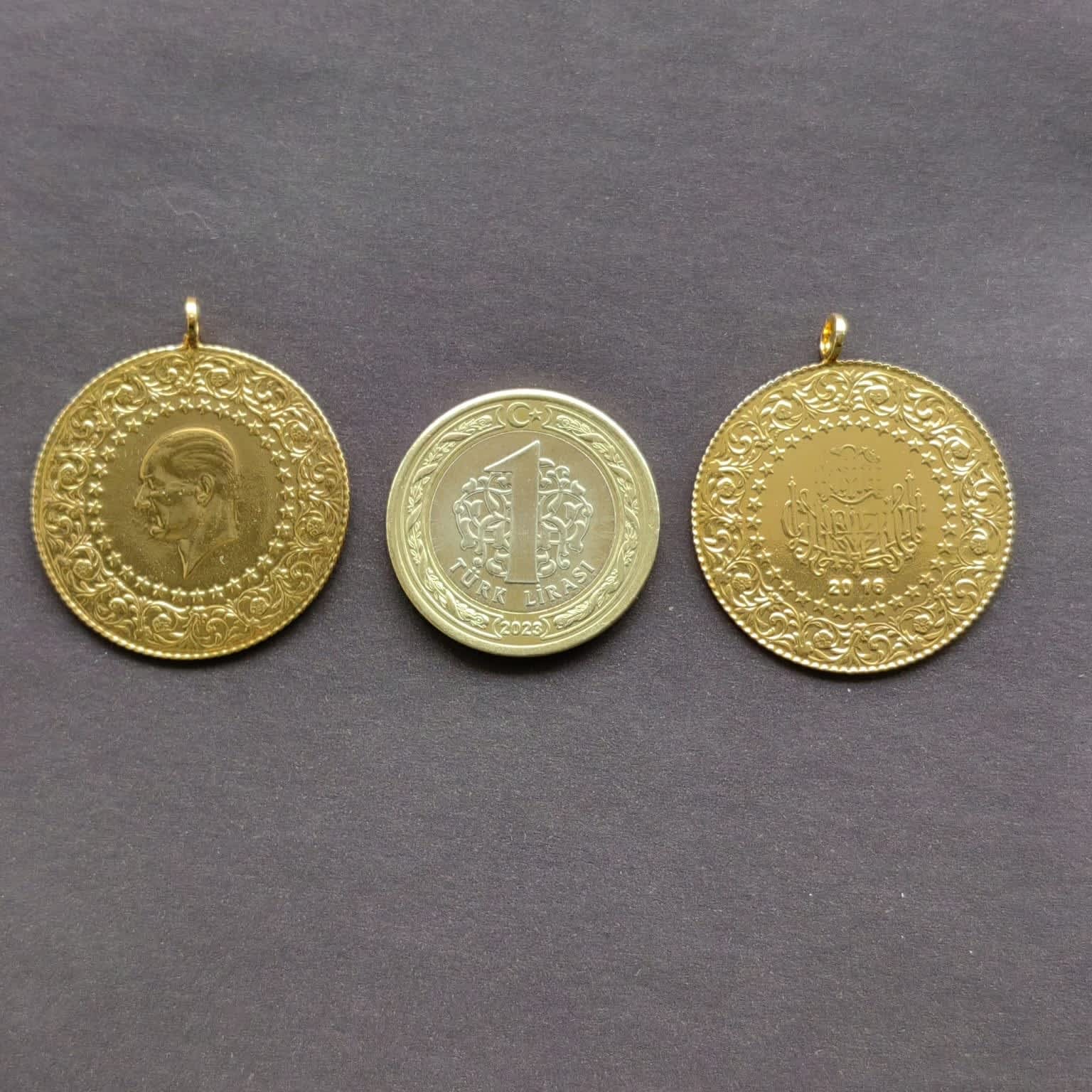

First, let's look at what gold plating is. Simply put, it is a process where a thin layer of pure gold, a few thousandths of a millimeter thick, is coated over a base metal such as 925 sterling silver or brass. Indeed, this thin layer gives the jewelry its magnificent shimmer, but it is also its most delicate point. In addition, when gold plated jewelry encounters water and chemicals, this protective armor begins to wear away. Actually, the situation is this: if that microscopic layer is pierced, the underlying metal is exposed and problems arise. Moreover, that is why this is the most critical factor determining the lifespan of the jewelry.
However, understanding this effect guides you to make more durable choices and apply proper care. Thus, knowing the process allows you to foresee problems before they occur. In short, this basic knowledge about gold plated jewelry and water & chemicals lies at the heart of your protection strategy.
What is Gold Plating and How is it Made?
Gold plating typically has a thickness between 0.5 and 5 microns. To compare: a human hair is about 70 microns on average. So, our protective layer is dozens of times thinner than your hair! In summary, this ultra-thin layer works like a shield protecting the base metal from the outside world. However, constant friction, excessive moisture, and aggressive chemicals gradually erode this shield. For those curious, the resource on the gold plating process is quite enlightening. But remember: no matter how high the quality of the plating, its lifespan shortens if you don't care for it properly. Nevertheless, for example, a 3-micron thick plating can shine for years with regular maintenance, but frequent exposure to chemicals dramatically shortens this period.
How Do Water and Moisture Affect the Plating?
Water may not affect pure gold, but the same cannot be said for gold plated jewelry. Why? Because water and moisture seep under the thin gold layer and meet the base metal. This meeting invites oxidation, i.e., rusting or tarnishing. On the other hand, not removing jewelry while showering is a good example. Consequently, soap residues and constant wetness create tiny, invisible pores on the plating surface. Over time, the underlying copper or silver reacts with oxygen in the air, fading and darkening your jewelry's color. That is why the golden rule regarding gold plated jewelry, water and chemicals is to avoid prolonged exposure to moisture.
Gold Plating Thickness and Durability Relation
The secret to durability is mostly hidden in the thickness. However, platings with a thickness of 3 microns and above are much more resistant to daily water contact. Not only that, but some manufacturers take it a step further. Multi-layer plating technology adds an extra barrier layer, such as nickel or rhodium, under the gold layer, increasing corrosion resistance by nearly 40%. From this perspective, asking "What is the plating thickness?" when purchasing ensures you make a smart investment against water and chemicals for gold plated jewelry. Our Five in One Chain model is a great example of this thick plating technology.
Which Types of Water and Chemicals Damage Gold Plated Jewelry?
Not all liquids are equally harmful, of course. However, some substances we frequently use in daily life can turn into hidden enemies for our jew