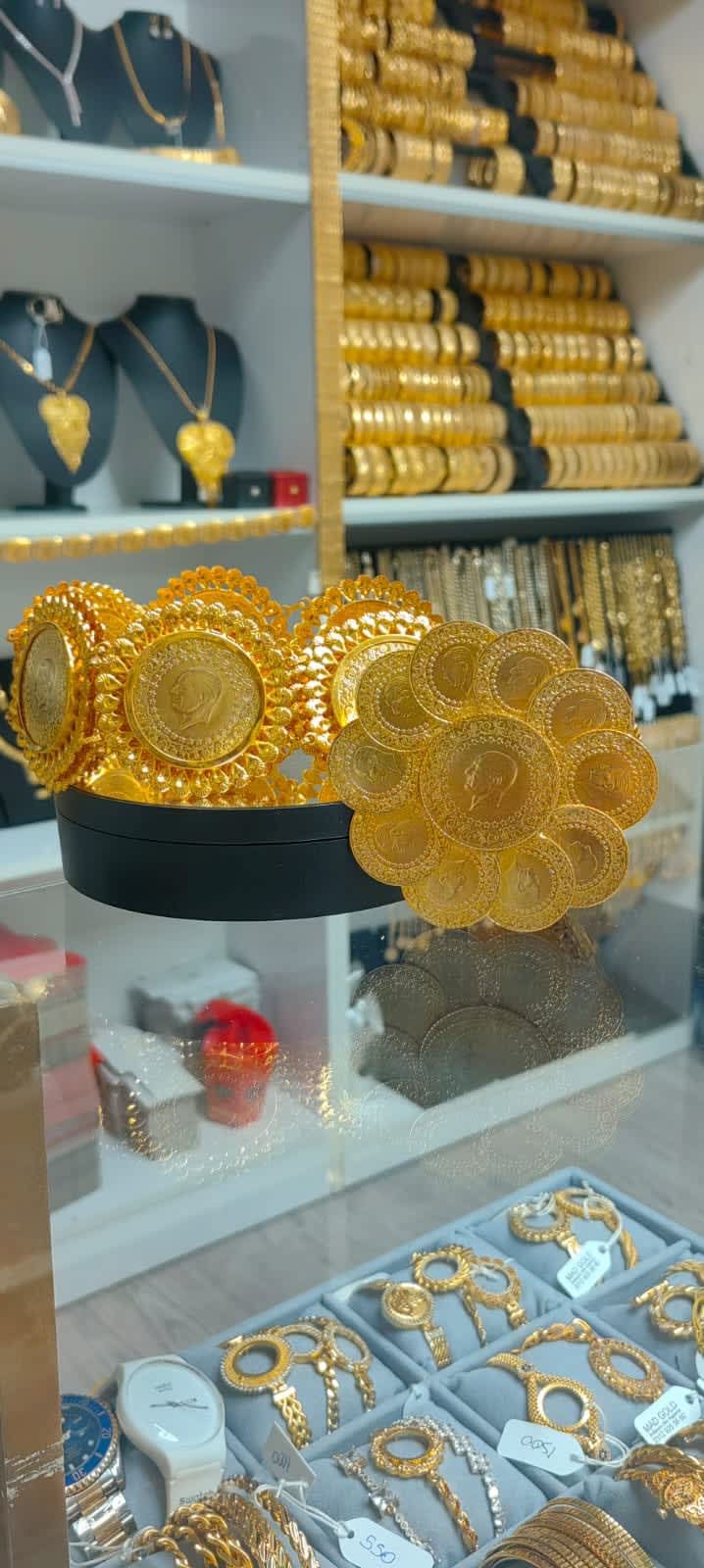
Applying the right gold plated jewelry care and cleaning methods holds the key to extending the life of these stylish accessories and keeping them always shiny. Gold plated jewelry care and cleaning methods, one of the topics our valued customers are most curious about, can actually become quite a simple and enjoyable routine. In 2026, as expectations for both durability and aesthetics increase, knowledge on this subject has become even more critical. With over a decade of experience in the industry, I will explain the most effective and safe techniques step by step on this page. Remember, with regular care, your gold plated jewelry can shine like new for years.
Therefore, this guide will give a long life to every piece in your collection, and you can safely protect every gold plated jewelry you love.
Gold Plated Jewelry Care and Cleaning Methods: Basic Principles and Structure
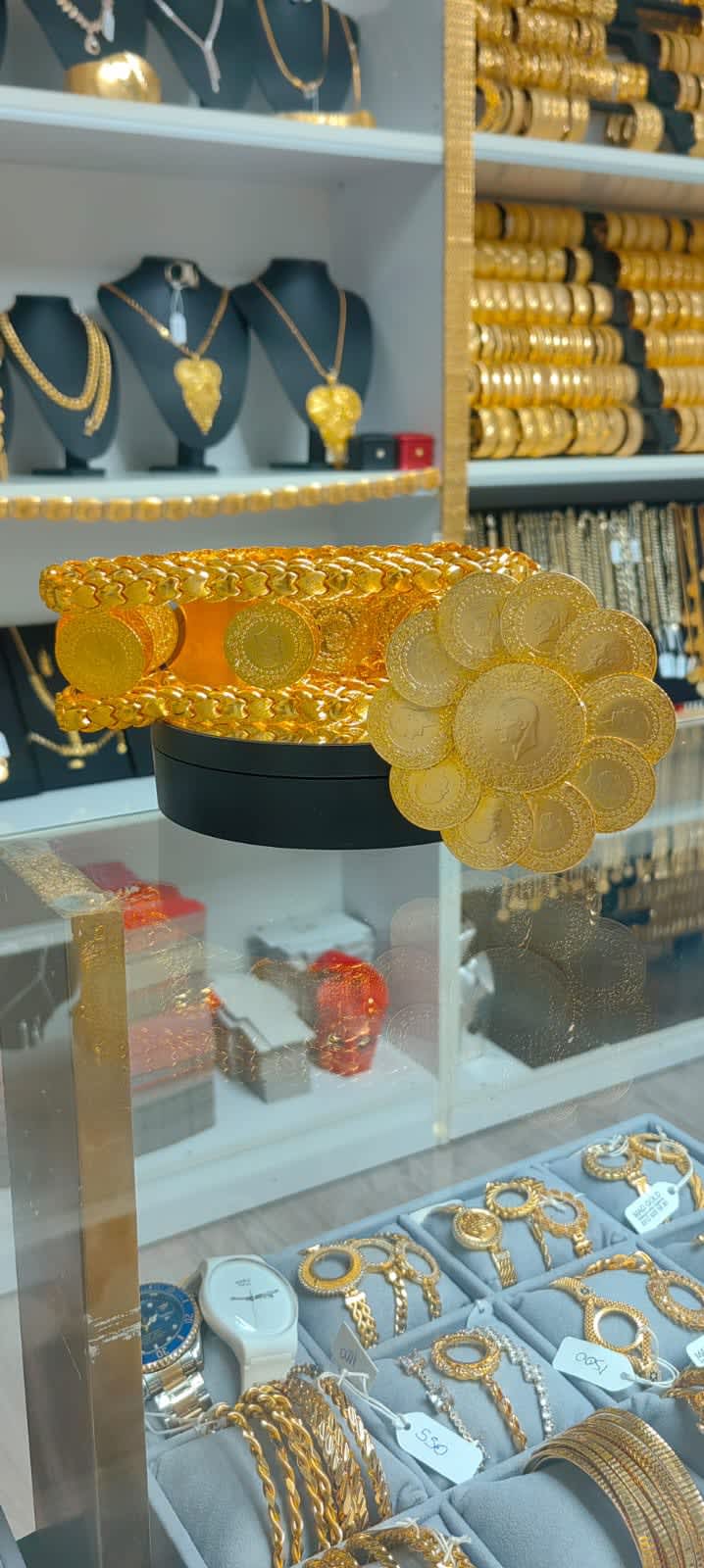
To establish a regular care strategy, you first need to understand how these jewelry pieces are made. At this stage, every step regarding gold plated jewelry care and cleaning methods must respect this structure. Otherwise, you may inadvertently cause permanent damage. However, with the right information, it is possible to eliminate all these risks. Moreover, correct gold plated jewelry care and cleaning methods also provide cost advantages, as you won't need to buy new jewelry frequently.
What is Gold Plating and Why Does It Require Special Care?
Gold plating is the process of coating a base metal, usually 925 sterling silver or a durable base metal, with a micron-thick layer of pure gold. This thin layer, typically ranging from 0.5 to 3 microns, gives the jewelry its magnificent appearance. However, this thinness means sensitivity to wear. Therefore, you cannot clean a gold plated jewelry as aggressively as a solid gold piece. Proper care protects the plating layer and prevents the underlying metal from being exposed. For example, the fine craftsmanship in models like the Five in One Chain - ZA009 will stay shiny much longer with a gentle cleaning routine. Thus, you actively protect the structure of your jewelry.
Most Commonly Used Plating Techniques in 2026: PVD, Electrolysis, and Their Differences
As of 2026, two main plating techniques stand out in the industry: PVD (Physical Vapor Deposition) and Classical Electrolysis (such as rhodium plating). The PVD technique vaporizes gold particles in a vacuum environment and attaches them to the jewelry surface. On the other hand, this method creates a much more homogeneous, thin, and wear-resistant layer compared to traditional electrolysis. A PVD plated jewelry can maintain its color and shine very well for 2-3 years with regular care. Electrolysis is a more traditional method and generally offers a thicker plating, but the distribution can be less homogeneous. As a result, regardless of the technique, your cleaning method should be gentle.
3 Key Factors Determining Plating Lifespan
Three main factors determine how long a gold plated jewelry will last: plating thickness, quality of the base metal, and the environmental conditions it is exposed to. Thickness is measured in microns; the thicker, the longer it lasts. Using 925 sterling silver as the base metal offers much better performance compared to copper alloy models. The third and most critical factor is under your control: your care and usage habits. By applying the correct gold plated jewelry care and cleaning methods, you can extend this lifespan by up to 50%. Moreover, these methods are not just about cleaning, but also about protective habits. Therefore, learning the basic principles is very important.
Gold Plated Jewelry Care and Cleaning Methods: Safe Steps You Can Apply at Home
Regular and gentle cleaning at home is the most important routine for the health of your jewelry. The following methods, still valid in 2026, are recommended by chemists and jewelers.