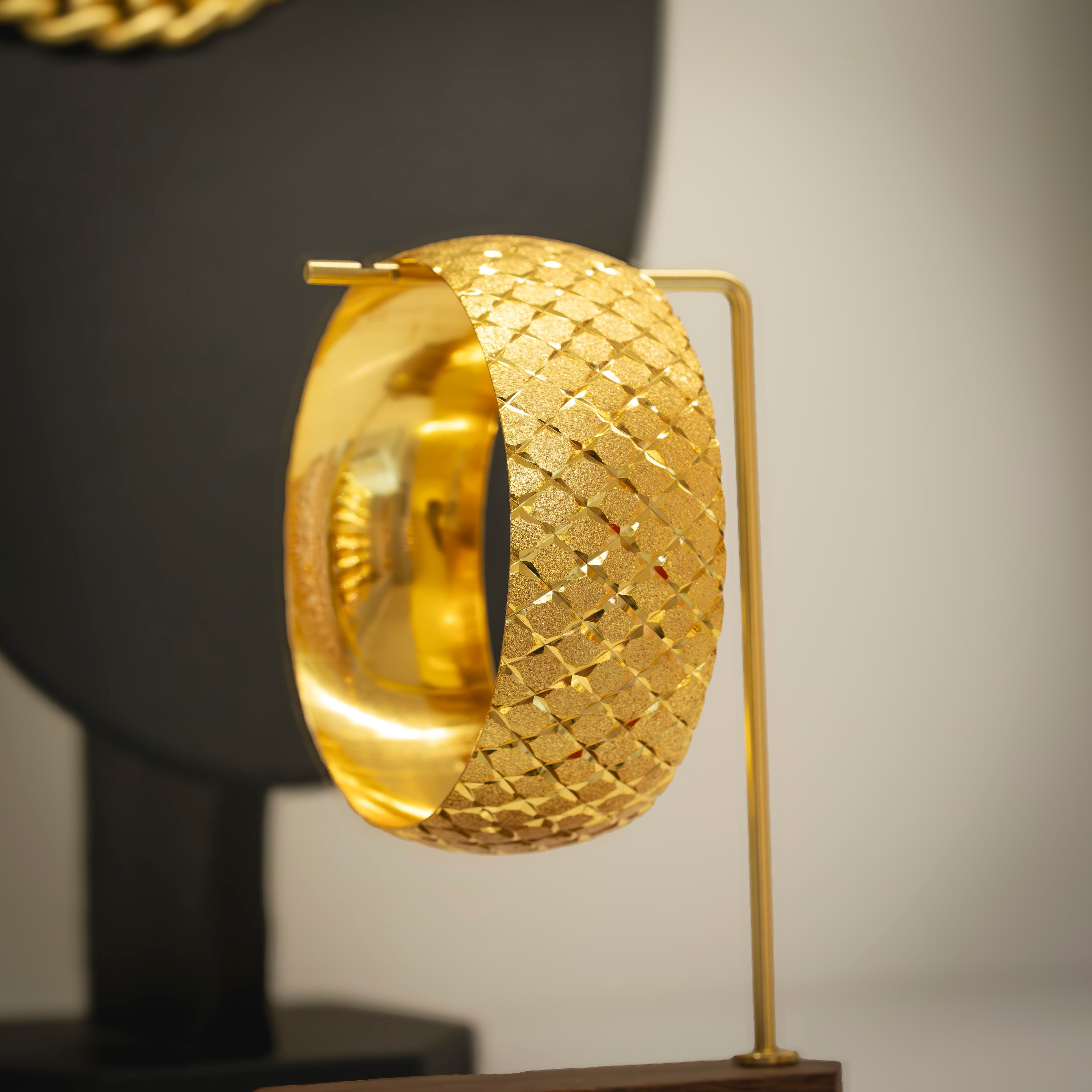
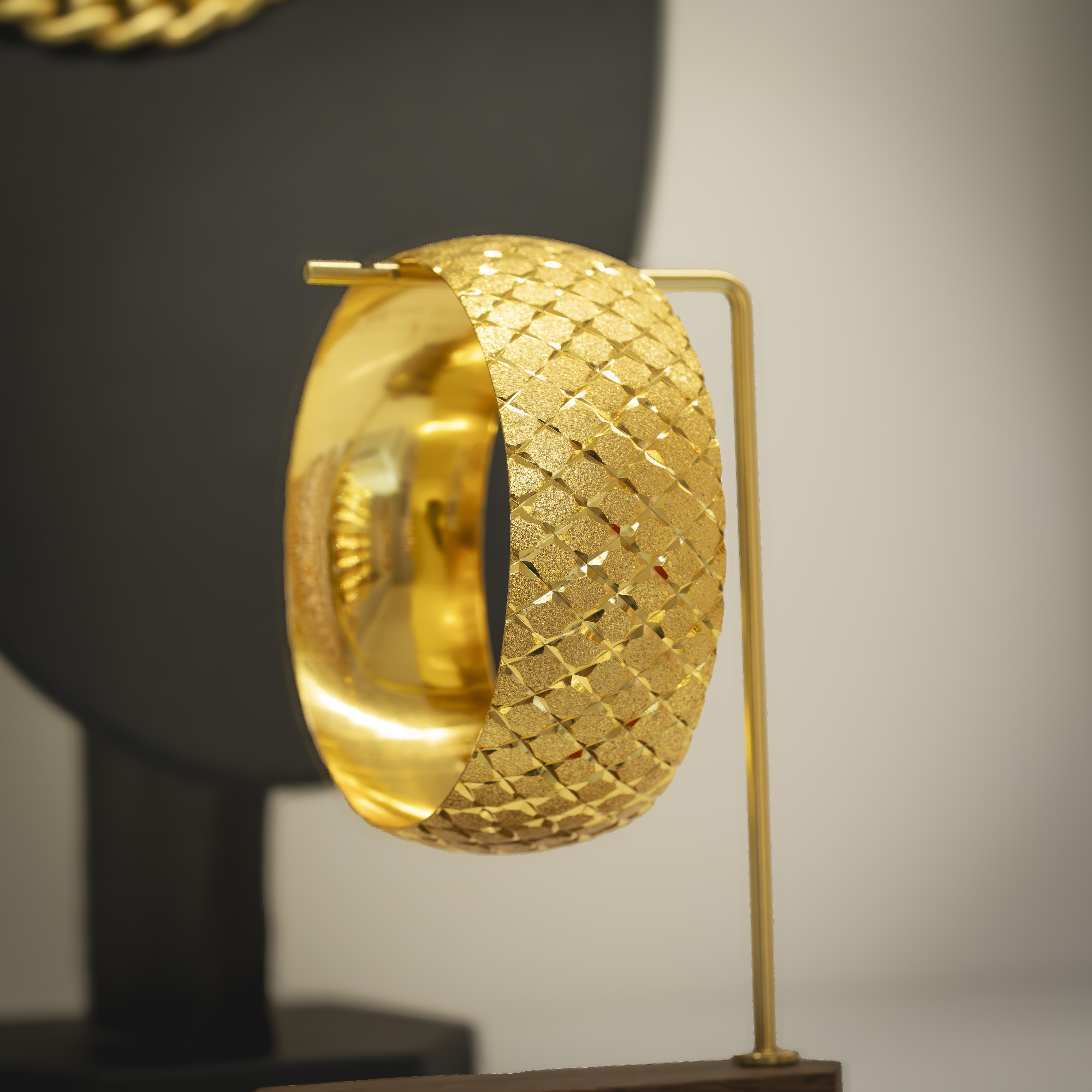
Gold plated bracelet models are among the indispensable accessories of the fashion world in 2026. But did you know that nearly 85% of these pieces are mistaken for real gold? With advancing technology, gold plated bracelet models now offer much more durable and stylish designs, protecting your budget while completing your style. If you want to discover these elegant alternatives, you are in the right place. In this guide, you will find the most beautiful gold plated bracelet models with their varieties, 2026 trends, selection tips, and care secrets.
What Are Gold Plated Bracelet Models and How Are They Classified?
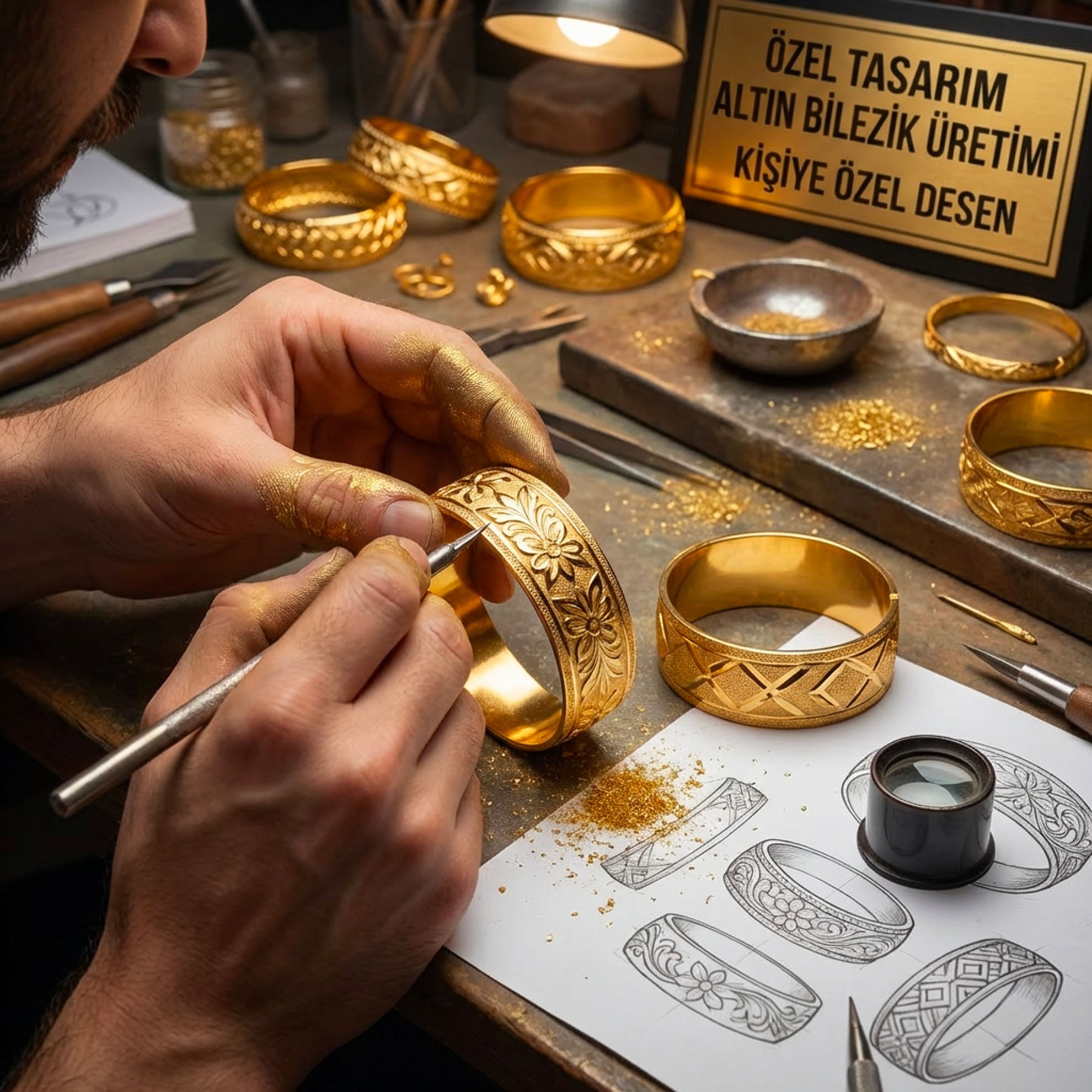
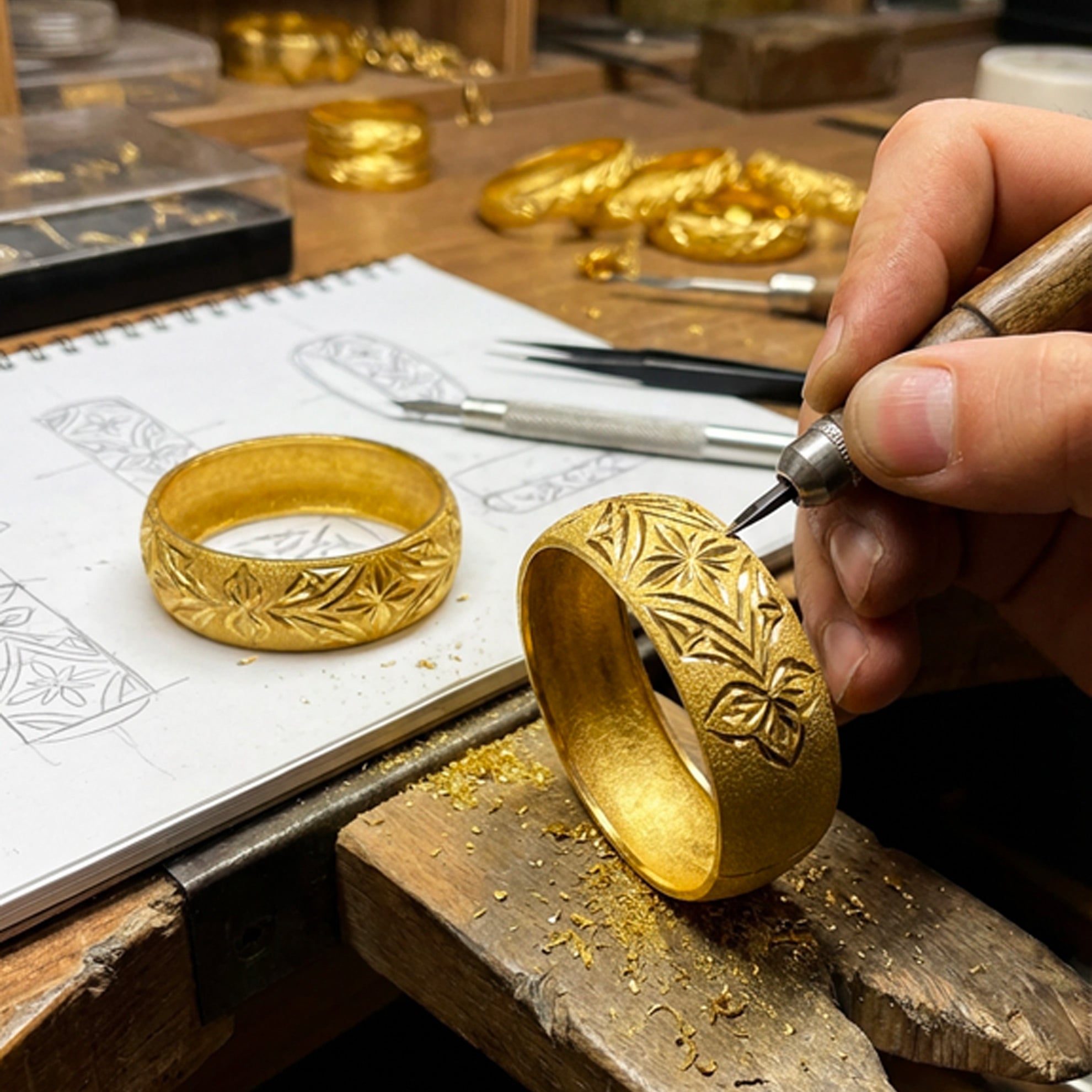
Actually, we classify gold plated bracelet models based on design and production technique. The dozens of varieties you see on the market actually stem from a few main categories. Knowing these categories makes it easier to find the one that suits your style and choose a quality product. Let's first take a look at these basic categories. Additionally, choosing the right category will help you direct your budget correctly. Moreover, the most popular gold plated bracelet models are usually within this main classification.
What Are the Differences Between Twisted, Woven, and Lock Bracelet Models?
Twisted models are designs that fit your wrist perfectly with their flexible structure and represent classic elegance. Woven models, as the name suggests, consist of thin strips intertwined and add a more traditional, handcrafted feel. Lock models offer secure use and typically appear as thicker, statement pieces. For example, the Lock Twisted Bracelet - KBBL005 model combines the practical lock mechanism with the classic lines of the twisted style. If you choose knowing these differences, you can easily find a more comfortable model for daily use or a more showy one for special occasions.
Which Plating Technique Is Higher Quality: PVD or Electrolysis?
When it comes to plating quality and durability, two main techniques stand out: PVD (Physical Vapor Deposition) and electrolytic plating. As authorities like the Gemological Institute of America (GIA) state, the PVD technique deposits gold particles onto the surface by evaporating them in a vacuum environment. This method creates a much more homogeneous, wear-resistant, and colorfast layer. On the other hand, electrolysis is a more traditional method; manufacturers use an electric current in a chemical solution for plating. However, a PVD-coated bracelet can maintain its shine and color 2-3 times longer on average compared to an electrolysis-plated model.
Therefore, if you desire long-lasting use, I recommend choosing gold plated bracelet models produced with the PVD technique. Moreover, models produced with this technique are among the most preferred among gold plated bracelet model varieties. Especially for a bracelet you want to wear daily, do not overlook this quality difference.
"Modern PVD coating technology ensures perfect coating integrity at a microscopic level. This gives the jewelry not only a superior appearance but also up to 60% more resistance to chlorine, sweat, and cosmetic products compared to traditional methods." - Mad Gold İmitasyon Jewelry Technical Supervisor
Why Is Base Material Selection Important in Gold Plated Bracelet Models?
One of the most important factors determining a bracelet's lifespan and compatibility with your skin is the base material to which the gold plating is applied. The most common and recommended material is 925 sterling silver. This material is naturally hypoallergenic, reducing the risk of skin allergies to almost zero. Additionally, silver provides a smooth surface that allows the gold plating to adhere much better. Brass or other metals can also be used, but a gold plated bracelet with a 925 sterling silver base is the smartest way to preserve the value of your investment in the long run. Ultimately, base material selection is one of the most critical aspects to consider when purchasing gold plated bracelet models.
Are gold plated bracelets real gold?
No, they are not real gold. Manufacturers typically produce gold plated bracelets by plating a microscopic thickness of real gold onto 925 sterling silver, brass, or another durable metal. This allows you to wear the magnificent look of real gold at a much more affordable price.
Do gold plated bracelets tarnish?
With proper care and a high-quality plating technique (especially PVD), the risk of tarnishing is minimized. However, frequent contact with aggressive chemicals like sweat, perfume, and chlorinated water can cause the plating to dull over time. Therefore, be sure to check out our care recommendations.
Can gold plated bracelets be worn daily?
Yes, many gold plated bracelet models, especially those with PVD coating and a 925 sterling silver base, are suitable for daily wear. However, to extend their life, it is recommended to remove them during activities like heavy exercise, swimming, or household chores.